Author Archives: Cullen Banks

Recent Stock Market Fails: Why You Should Consider Gold


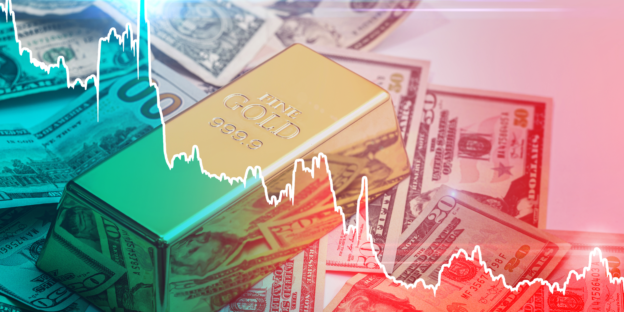
In recent times, several high-profile stock market fails have sent shockwaves through the financial world, prompting investors to reassess their strategies. This blog post will delve into some of these recent stock market fails, examining the underlying causes, and exploring the potential benefits of diversifying investments with gold.

A Look at Recent Stock Market Fails

One of the most notable market failures in recent memory was the collapse of Terra Luna. This event, triggered by unsustainable business models, excessive leverage, and market manipulation, led to a sharp decline in stock prices, wiping out billions of dollars in investor wealth. Another significant setback was the 2008 financial crisis, which was characterized by widespread panic selling, bank failures, and global economic recession.

These failures highlight the inherent risks associated with stock market investments. Factors such as economic downturns, geopolitical tensions, and corporate scandals can all contribute to market volatility.

The Allure of Gold: A Safe Haven

In the face of stock market fails, investors have increasingly turned to gold as a safe haven. Gold has long been recognized as a store of value, capable of preserving wealth during times of economic uncertainty. Unlike stocks, which can fluctuate wildly, gold tends to hold its value or even appreciate when other assets are declining.

Here are some key reasons why gold is considered a valuable investment:

  • Diversification: Gold can help to diversify your investment portfolio, reducing your overall risk exposure.
  • Inflation Hedge: Gold has historically been a good hedge against inflation, as its price tends to rise when the purchasing power of currency declines.
  • Safe Haven Asset: During times of economic turmoil or geopolitical instability, investors often flock to gold as a safe haven.


Conclusion

While the stock market can offer significant rewards, it is essential to be aware of the risks involved. Recent market failures serve as a stark reminder of the potential pitfalls of relying solely on stocks. By diversifying your investments with gold, you can potentially mitigate these risks and protect your wealth.

At The Gold Marketplace LLC, we offer a wide range of gold products designed to help you diversify your portfolio.

For a deeper understanding of the benefits of gold investing, check out our new book, “Gold vs The Banking Cartel”. This comprehensive guide provides valuable insights and practical advice for investors of all levels.

Recent Stock Market Fails: Why You Should Consider GoldRecent Stock Market Fails: Why You Should Consider Gold

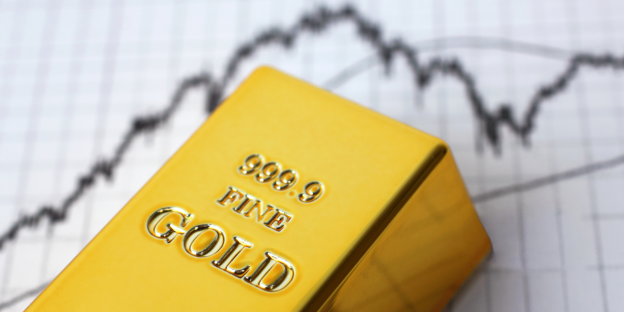
Gold to Hit $5,000 Next Year? Here’s Why It Could Happen


Gold has long been viewed as a reliable store of value, especially in times of uncertainty. As we approach the next year, several market experts are forecasting gold to hit $5,000. While this may sound ambitious, a close look at recent economic trends and historical patterns shows that this prediction might not be so far-fetched. Let’s explore the reasons why this could happen, backed by numbers, stats, and examples from real markets.


Rising Inflation Rates and Currency Devaluation


One of the primary drivers behind gold’s potential surge is inflation. In the U.S., inflation reached 9.1% in June 2022, the highest level in over 40 years. Although inflation has somewhat cooled, it continues to impact economies worldwide. For example, inflation in the Eurozone hit 5.3% in July 2023. As inflation erodes the value of paper currencies, investors seek out assets like gold that can maintain their purchasing power.

Historically, gold has performed well during periods of high inflation. Between 1971 and 1980, during a period of high inflation, the price of gold soared from $35 per ounce to over $800 per ounce, a more than 2,000% increase. Given the persistent inflationary pressures today, a similar pattern could emerge, pushing gold toward the $5,000 mark.


Central Banks’ Increased Gold Reserves


Another key indicator supporting a rise in gold prices is the behavior of central banks. Over the past decade, central banks have been net buyers of gold. In 2022 alone, central banks added a record 1,136 tons of gold to their reserves, according to the World Gold Council. This marked the highest level of central bank gold purchases since 1967.

Countries like China, Russia, and Turkey are leading this gold-buying trend. For instance, in the first quarter of 2023, China purchased 57 tons of gold. Such massive acquisitions signal a growing lack of confidence in the U.S. dollar and other fiat currencies, further driving up demand for gold.


Global Economic Instability


Global economic uncertainty is another crucial factor that could push gold prices higher. Geopolitical tensions, trade wars, and financial instability are on the rise. For instance, the ongoing Russia-Ukraine conflict has disrupted global supply chains, leading to significant market volatility.

During times of crisis, investors often flock to gold as a safe haven. We saw this during the 2008 financial crisis, where gold prices rose from around $800 per ounce to over $1,900 per ounce by 2011. In recent years, gold has already been climbing, reaching $2,075 per ounce in August 2020 due to pandemic-related fears.


Declining U.S. Dollar Value


The weakening of the U.S. dollar is another factor that could fuel gold’s price rise. The U.S. Dollar Index, which measures the dollar’s strength against a basket of other currencies, has seen significant fluctuations. A weaker dollar generally boosts the price of gold, as it becomes cheaper for investors holding other currencies. In 2023, the Dollar Index slipped from 114 in late 2022 to 103 by mid-2023.

Additionally, rising U.S. debt—now surpassing $33 trillion—raises concerns about the long-term stability of the dollar. As trust in paper currencies diminishes, investors increasingly turn to gold as a safer, more stable alternative.

So, could gold truly hit $5,000 next year? While nothing is guaranteed, several analysts believe it is possible. One notable voice, Juerg Kiener, Managing Director of Swiss Asia Capital, predicted that gold prices could reach between $2,500 and $5,000 per ounce in 2024 due to rising inflation and geopolitical instability.

Furthermore, Bank of America has previously forecasted that gold could hit $3,000 per ounce if market conditions deteriorate further. When you consider historical trends and current global pressures, the prospect of gold reaching $5,000 seems more plausible than ever.


Protect Your Wealth Now


With gold potentially reaching unprecedented levels, now is the time to act. At The Gold Marketplace, LLC, we offer a range of gold products, from bullion bars to coins, helping investors like you safeguard your wealth in times of uncertainty. Whether you’re new to gold investing or a seasoned buyer, we can help you build a diversified portfolio designed to withstand market volatility.


Gold to Hit $5,000 Next Year? Here’s Why It Could Happen


Additionally, if you want to understand more about why the banking system is devaluing currencies and why gold remains the superior form of saving, check out our latest book, Gold vs. The Banking Cartel. This insightful guide explains why traditional financial systems are failing and how gold can protect your financial future.


Gold Prices Expected to Reach $2,600 by Year-End: What This Means for Investors


As we move closer to the end of 2024, analysts have set their sights on gold prices potentially reaching $2,600 per ounce, a reflection of both global uncertainty and shifting economic trends. While this projection has captured attention, understanding the broader market forces influencing gold’s steady rise is crucial for investors looking to safeguard their wealth.


The Current Economic Backdrop


Several factors are driving the gold market upwards.

First, geopolitical tensions across regions like Ukraine and the Middle East have unsettled global markets. Historically, periods of political instability have pushed investors toward safe-haven assets like gold. As investors seek stability in times of crisis, the demand for gold increases, pushing its price higher​.

Beyond geopolitics, central bank activity has also fueled gold’s momentum. In 2024, central banks, particularly in countries like China, Russia, and India, have significantly boosted their gold reserves, collectively purchasing over 500 metric tons in the first half of the year​.

This increase in demand has limited global supply, putting upward pressure on gold prices.


The Role of Inflation and Monetary Policy


Inflationary pressures are another critical factor impacting gold prices. With inflation remaining persistent in many economies, investors are turning to gold as a hedge against the eroding purchasing power of currencies. Unlike fiat money, which can lose value over time due to inflation, gold has historically maintained its value, offering long-term security for investors.

Additionally, monetary policy, particularly in the U.S., has played a significant role in gold’s recent price trajectory. The Federal Reserve is expected to cut interest rates by the end of the year, which tends to benefit non-yielding assets like gold. Lower interest rates reduce the appeal of holding bonds or other interest-bearing assets, prompting investors to seek alternative investments, such as physical gold, which holds intrinsic value​.


Why Gold Remains a Smart Investment


Gold has long been viewed as a safe-haven asset, especially in times of economic uncertainty. Its value does not depend on a company’s performance or government-backed securities, making it a strategic choice for diversifying an investment portfolio. In times of market volatility, gold tends to perform well as investors move away from riskier assets like stocks.

Moreover, gold’s historical performance supports its appeal as a wealth-preserving asset. During the 2008 global financial crisis, for example, gold prices rose by 25%, providing much-needed stability for investors during turbulent times. As inflationary concerns and global tensions remain high in 2024, gold’s role as a hedge against uncertainty is only becoming more relevant.


Conclusion


As gold edges closer to $2,600 per ounce by year-end, this trend serves as a clear signal to investors about the importance of diversifying with tangible assets like gold. Its steady rise reflects deeper economic dynamics that are likely to shape global markets for the foreseeable future. By understanding the driving forces behind gold’s growth, investors can better position themselves to safeguard their financial future.

At The Gold Marketplace, LLC, we specialize in providing top-tier gold products that can protect your financial future. If you are ready to invest in gold bars, coins, or other precious metal assets, explore our comprehensive product catalog today. Our physical gold products offer you stability and growth potential in times of economic uncertainty.


Gold Prices Poised to Reach $2,600 by Year-End: What This Means for Investors


Additionally, don’t miss out on Dr. Perry Kyles’ latest book, “Gold vs the Banking Cartel.” This must-read book explains why gold is the superior form of saving in today’s unstable financial world. It explores how the banking system devalues the dollar and why diversifying your assets with gold is critical for long-term wealth preservation. The book provides in-depth insights for both new and seasoned investors. Get your FREE copy here to fully understand why owning gold is your best defense against inflation and a volatile economy.


Gold Prices Poised to Reach $2,600 by Year-End: What This Means for InvestorsGold Prices Poised to Reach $2,600 by Year-End: What This Means for Investors

The Gold Coin That Tells America’s Story


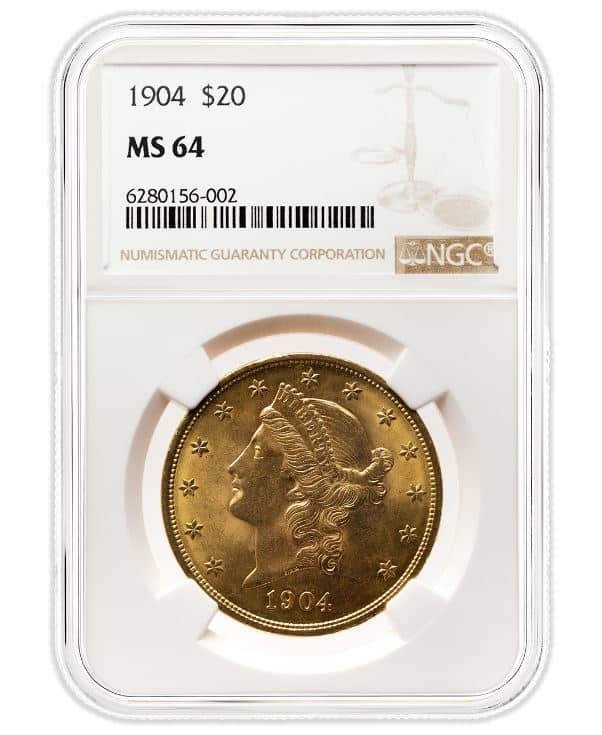
When we think about precious metals, we often envision gold bars and modern bullion coins. But what if your investment could also be a piece of America’s story? Enter the Liberty Head Double Eagle, a gold coin that’s not just an asset, but a living testament to America’s golden age.


A Coin Born of the Gold Rush


The story of the Liberty Head Double Eagle begins in the 1840s when the discovery of gold in California set off the legendary Gold Rush. As miners flocked westward in search of fortune, an influx of gold transformed the economy. To accommodate this surge, Congress authorized new gold denominations, leading to the creation of the double eagle—a $20 gold piece—by the Mint Act of 1849.

Chief Engraver James B. Longacre was tasked with designing this new coin, and the result was a masterpiece of both beauty and utility. The Liberty Head Double Eagle features Lady Liberty adorned in a coronet inscribed with the word “LIBERTY,” symbolizing freedom and prosperity. The reverse displays a majestic eagle clutching an olive branch and arrows, signifying peace and readiness.

Originally minted for large-scale transactions, this coin quickly became a staple of commerce, used by merchants and banks in trade. But what makes it truly fascinating is its journey through time.


The Gold Coin That Tells America’s Story


A Survivor of Turbulent Times


The Liberty Head Double Eagle was struck from 1850 until 1907, weathering some of America’s story, including the Civil War and the turn of the 20th century. It even faced a near-extinction event in 1933, when President Franklin D. Roosevelt recalled gold coins from the public to stabilize the economy. Many of these coins were melted down, making those that survived all the more precious today.

The Liberty Head Double Eagle we offer isn’t just any coin; it’s an MS64, meticulously graded by the Numismatic Guarantee Corporation (NGC). “MS” stands for “Mint State,” a term used to describe coins that never entered circulation and thus retain their original luster and detail. An MS64 grade means this coin is in near-mint condition with only minor imperfections visible under magnification. In short, it’s a prime example of both beauty and rarity.


Why Invest in the Liberty Head Double Eagle?


  1. Historical Significance: This coin is a tangible piece of American history, minted during the height of the nation’s economic expansion.
  2. Recognized Quality: As a product of the U.S. Mint, the Liberty Head Double Eagle is trusted worldwide for its authenticity and gold content.
  3. Low Premium, High Demand: Despite its historical value, the premium on this coin remains relatively low, making it an accessible entry point for new collectors and a wise choice for seasoned investors.


More Than Just Gold—It’s a Legacy


In times of economic uncertainty, tangible assets like gold offer stability. But the Liberty Head Double Eagle goes beyond that. It’s a symbol of resilience and prosperity, a way to hold a piece of history while securing your financial future. Whether you’re a seasoned investor or a curious beginner, this coin is a compelling addition to any portfolio.

So, why settle for ordinary gold when you can own America’s story? Dive into the world of rare coins and make the Liberty Head Double Eagle a part of your legacy.

Explore this historic investment opportunity today.

The Gold Coin That Tells America’s Story

Real Case Studies: How Banks Are Devaluing Your Money


In recent years, people have become increasingly aware that the money they hold in their bank accounts is losing value. This phenomenon is not just a perception—it is a reality shaped by the actions of central banks and financial institutions around the world. This blog post will explore real case studies demonstrating how banks are devaluing people’s money and what you can do to protect your wealth.


Case Study 1: The 2008 Financial Crisis and Quantitative Easing


During the 2008 financial crisis, the U.S. Federal Reserve implemented a policy known as Quantitative Easing (QE). This policy involved printing vast amounts of money to purchase government bonds and other financial assets. While the intention was to stabilize the economy, the side effect was a significant increase in the money supply.


Impact on the Average Saver:
As more money flowed into the economy, the value of each dollar decreased. This means that the purchasing power of people’s savings diminished over time. For example, if you had $10,000 in your bank account in 2008, its purchasing power today would be much lower due to the inflationary effects of QE. Everyday goods and services have become more expensive, but the value of savings has not kept pace.


Case Study 2: Negative Interest Rates in Europe


In the aftermath of the global financial crisis, several European countries introduced negative interest rates to stimulate their economies. In essence, this policy means that instead of earning interest on their deposits, savers had to pay the bank to hold their money.


Impact on Savers:
For individuals with significant savings, this policy was a shock. Not only were they losing money to inflation, but they were also being charged for keeping their savings in the bank. For instance, in countries like Denmark and Switzerland, savers saw their balances shrink year after year, regardless of whether they made withdrawals.


Case Study 3: The Indian Demonetization


In 2016, the Indian government announced a sudden demonetization, withdrawing 500 and 1,000 rupee notes from circulation. This decision aimed to combat corruption and black money. However, it also led to chaos, with people scrambling to exchange their old notes.


Impact on the Public:
Millions of people, especially those who did not have access to banking facilities, saw their life savings evaporate overnight. The value of their cash holdings plummeted as they were unable to convert them into the new currency. This drastic move highlighted the risks of relying solely on cash and banking systems that can change the rules without warning.


How Our Book Can Help


These case studies illustrate the precarious nature of storing wealth in traditional banking systems. Inflation, negative interest rates, and abrupt government policies can erode the value of your hard-earned money, often without warning.

Our book, “Gold vs the Banking Cartel,” delves deeper into these issues, providing a comprehensive guide on why gold remains a superior form of saving. Unlike fiat currencies, gold has intrinsic value and is not subject to the same inflationary pressures. By understanding the historical and economic contexts presented in the book, you can learn how to protect your wealth from the devaluation caused by banks and government policies.

Investing in gold is not just a strategy; it’s a safeguard against the unpredictable nature of financial systems. Our book offers practical advice on diversifying your portfolio, understanding market trends, and securing your financial future. Don’t let your money lose value in the bank—discover how gold can help preserve and even grow your wealth.

By reading “Gold vs the Banking Cartel,” you can arm yourself with the knowledge needed to make informed decisions and protect your financial future.


Real Case Studies: How Banks Are Devaluing Your MoneyReal Case Studies: How Banks Are Devaluing Your Money

The Fed’s Recent Interest Rate Cut: What It Means for Gold Investors


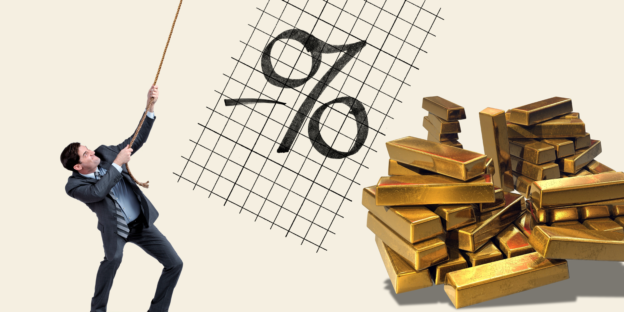
In a surprising move, the Federal Reserve recently announced another interest rate cut to help stabilize the economy. As investors grapple with what this means for traditional markets, one question arises: how does this impact gold? Historically, when the Fed cuts interest rates, it tends to benefit gold. Here’s why.


The Fed’s Interest Rate Cut: A Response to Economic Uncertainty


The Federal Reserve typically adjusts interest rates to control inflation, stimulate economic growth, or stabilize financial markets. When rates are lowered, borrowing becomes cheaper, encouraging both consumers and businesses to spend more. But there’s a flip side to this coin—lower interest rates also decrease the yield on bonds and savings accounts, making gold a more attractive option for investors looking to preserve and grow wealth.

As interest rates drop, the opportunity cost of holding gold—an asset that doesn’t pay interest—diminishes. This naturally shifts investor sentiment towards the yellow metal, driving up its demand and, consequently, its price.


Gold’s Role as a Safe Haven


Gold has always been a safe haven during times of economic turbulence.

With interest rates slashed, the dollar often weakens, inflationary pressures mount, and economic confidence falters. In times like these, gold’s value remains resilient. Unlike fiat currencies, which can be devalued or manipulated by central banks, gold is finite and universally recognized as a store of value.

It’s precisely this role of gold as a protector of wealth that we explore in our book, Gold vs the Banking Cartel. The Federal Reserve’s actions are part of a larger trend of financial manipulation that devalues currencies and erodes the purchasing power of your savings.

In the book, we explain why central banks, like the Fed, continue to implement policies that benefit themselves while leaving the average investor vulnerable.


Inflation on the Horizon?


Lower interest rates usually fuel inflation, as increased borrowing and spending drive up the prices of goods and services. When inflation rises, the value of paper currency decreases. This further strengthens gold’s position, as its value typically increases in times of inflation. Gold serves as a hedge, maintaining or even growing in value as the dollar weakens.

Our book dives deep into the mechanics of how inflation erodes wealth over time, and why gold is one of the few assets that can protect your purchasing power. In Gold vs the Banking Cartel, we analyze historical periods of inflation and how gold consistently performed as a reliable hedge against it.

With the Fed cutting rates once again, we are likely to see inflationary pressures mount—reinforcing the need to hold a portion of your wealth in gold.


The Banking Cartel’s Role in Devaluing the Dollar


This latest interest rate cut is just another chapter in the story of the banking cartel’s manipulation of the financial system. As we highlight in our book, the banking system is engineered to benefit from inflationary policies that devalue the dollar. By continually printing more money and reducing interest rates, central banks ensure that your savings lose value over time.

Gold, however, remains outside of the banking system’s control. Its value is not subject to the whims of central banks or governments. When you hold gold, you hold an asset that has stood the test of time—unlike paper currency, which has repeatedly lost its value throughout history.

In Gold vs the Banking Cartel, we provide readers with a comprehensive understanding of why gold is the superior form of saving, particularly in a world where central banks control the financial system and manipulate currency values to their advantage.

As the Federal Reserve continues to manipulate interest rates and expand its balance sheet, the case for gold has never been stronger. With the likelihood of rising inflation, devalued currencies, and economic uncertainty ahead, gold offers a safe haven for investors seeking stability.

Protect Your Wealth


In times of economic uncertainty, gold has always proven to be a reliable store of value. The Federal Reserve’s recent interest rate cut only strengthens the case for holding gold in your portfolio. As rates fall, inflation rises, and the dollar weakens, gold remains one of the few assets capable of preserving wealth.

Our book, Gold vs the Banking Cartel, offers an in-depth look at how central banks like the Fed are systematically devaluing currencies and why gold is the ultimate hedge against their policies. With the latest interest rate cut, now is the perfect time to understand the forces at play and protect your wealth with gold.

Grab your free ebook today to learn more! Or, if you prefer a physical copy or audiobook, those are available too. Don’t wait—arm yourself with the knowledge to protect your financial future.


The Fed’s Recent Interest Rate Cut: What It Means for Gold InvestorsThe Fed’s Recent Interest Rate Cut: What It Means for Gold Investors

Why Finance Bloggers and Podcasters Should Learn How Banks Are Devaluing Their Audience’s Money


As finance bloggers or podcasters, your goal is to help your audience build wealth and achieve financial freedom. However, there’s a hidden force working against them—the banking system. Often operating like a cartel, banks aren’t just holding your audience’s money; they are actively devaluing it through inflation and monopolistic control over monetary policy.

In this post, we’ll break down how banks erode the value of your hard-earned savings and why exposing this issue is crucial to make smarter financial decisions.


The Banking Cartel: Controlling Money for Profit


At the heart of the banking system is the central bank, which sets interest rates and controls the money supply. While most people think this helps stabilize the economy, it’s important to understand how this system works like a cartel. Banks can manipulate the flow of money through policies that benefit themselves but hurt average consumers.

For instance, when central banks print more money, it doesn’t create new wealth—it dilutes the value of money already in circulation. This inflation eats away at the purchasing power of your audience’s savings over time. A dollar today buys much less than it did a decade ago, and that’s not just due to natural market forces; it’s the direct result of how the banking system operates.


How Inflation Robs Your Audience


Inflation is more than just rising prices—it’s a mechanism the banking cartel uses to quietly devalue money. Many of your readers or listeners may have savings accounts, thinking they are securing their future. But the interest rates on these accounts are often less than 1%, while inflation can run between 3-4% annually.

This means that even as their bank accounts grow, their actual purchasing power is shrinking. What your audience might not realize is that banks profit from this arrangement. The more money they lend and the more they devalue currency, the greater their returns.

Consider the example of a savings account: If someone has $10,000 in the bank, earning 0.5% interest annually, they are making $50 per year. But if inflation is running at 3%, the real value of that $10,000 decreases by $300 over the same year. In reality, they’re losing $250 in purchasing power, even though the balance is technically growing.


Debt as a Tool for Control


Banks don’t just profit from devaluing money—they also benefit by keeping people in debt. Your audience may think taking out a loan or using a credit card helps them manage finances, but in reality, it locks them into a cycle of repayment that benefits the bank. While banks are lending out devaluing money, they’re collecting higher interest rates, fees, and charges from consumers.

Finance bloggers and podcasters’ audience members might find themselves struggling to keep up with these costs, unaware that the entire system is designed to keep them financially dependent. By educating them about how the banking system is structured, you can provide them with alternative solutions that truly benefit their financial future.


Empowering Your Audience: What They Can Do


So, how can personal finance bloggers and podcasters help their audience escape the grip of the banking cartel? One option is to introduce them to alternative investments that are not reliant on the banking system, such as gold.

Gold has historically served as a hedge against inflation and economic instability. Unlike fiat currency, which can be printed at will by central banks, gold retains its value over time. Encouraging your audience to explore diversifying their savings into assets like gold can give them a stronger financial foundation, free from the bank’s influence.


A Resource to Share with Your Audience


For those looking to dive deeper into this subject, the book Gold vs the Banking Cartel by Dr. Perry Kyles exposes the full extent of how banks control and devalue money. While this post provides an overview, the book offers detailed examples and strategies that can help your audience protect their wealth in a more comprehensive way.

By educating your readers and listeners on these topics, you’ll not only empower them to make better financial choices but also set yourself apart as a thought leader in the personal finance space.

Help your audience break free from the banking system’s control. Explore more insights in Dr. Perry Kyles’ Gold vs the Banking Cartel and equip your followers with actionable strategies to safeguard their wealth.


Why Finance Bloggers and Podcasters Should Learn How Banks Are Devaluing Their Audience’s MoneyWhy Finance Bloggers and Podcasters Should Learn How Banks Are Devaluing Their Audience’s Money

Why Libertarians Should Rethink Their Wealth Strategies


In a world where centralized institutions control our financial systems, Libertarians are growing increasingly skeptical of the banking cartel’s influence. If you’re someone who values individual freedom, economic autonomy, and a future unchained from the grips of big banks, Gold vs. the Banking Cartel might be the book you didn’t know you needed. This book dives deep into why gold, not fiat currency, is the key to preserving wealth and freedom.


Why Question the Banking System?


Most of us are familiar with the phrase, “too big to fail,” which came into the spotlight during the 2008 financial crisis. At that time, major banks—despite reckless lending and investment practices—were bailed out using taxpayer money. While the average person lost homes, savings, and financial security, the banks responsible for the crash were saved. This raised serious questions about who truly benefits from the current financial system.

Libertarians and banking system skeptics argue that this incident was not just a failure of policy but a clear display of how centralized banks hold too much power. But if the system is rigged, where can you turn? This is where Gold vs. the Banking Cartel offers an alternative perspective.


Gold: A Time-Tested Store of Value


For centuries, gold has been the foundation of wealth. Unlike fiat currencies, which can be printed endlessly by governments and central banks, gold is finite. This makes it a reliable store of value, especially during times of economic uncertainty. The book explains in simple terms how gold retains purchasing power even when the dollar loses its value.

Consider this: In 1971, a gallon of gas cost around 36 cents. Today, it’s over $4. The value of the U.S. dollar has dropped significantly due to inflation, but the value of gold has only increased. In 1971, one ounce of gold was worth $35. Today, that same ounce is worth over $1,800. While fiat currency continues to lose value, gold remains steady, standing the test of time.


Real-Life Consequences of Fiat Currency


Take the example of Venezuela, where hyperinflation has caused the bolívar to lose nearly all of its value. People have been forced to use foreign currencies or even barter for goods because their local money is practically worthless. While this may seem distant from Western economies, the principle remains the same—fiat currencies are subject to devaluation by governments and central banks, often at the expense of everyday citizens.

In contrast, those who owned gold during Venezuela’s economic collapse found themselves in a better position to preserve their wealth. The lesson here is clear: if you rely solely on fiat currency, your wealth is at the mercy of the very system you’re skeptical of.


A Hedge Against the System


Many libertarians believe in preparing for worst-case scenarios, whether that’s through food storage, off-grid living, or cryptocurrency. While Bitcoin and other digital assets have gained popularity as alternatives to fiat currency, they are still relatively new and untested in the long run. Gold, however, has been a proven hedge for thousands of years.

In Gold vs. the Banking Cartel, you’ll find practical strategies for diversifying your assets, with gold at the forefront. By doing so, you protect yourself from potential bank collapses, economic downturns, or even government overreach. You can take control of your financial future without being dependent on a system that prioritizes its own survival over yours.


Conclusion: Secure Your Wealth, Secure Your Freedom


If you’re skeptical of the traditional banking system and looking for ways to protect your wealth from inflation, government control, and financial crises, Gold vs. the Banking Cartel provides a roadmap to economic independence. By focusing on gold as a reliable, time-tested store of value, this book aligns with the core values many libertarians hold dear: freedom, self-reliance, and autonomy.

The banking system may be powerful, but with the right knowledge, you can take control of your financial destiny. It’s time to rethink your wealth strategy. Gold could be the key to true economic freedom—are you ready to unlock it?

Don’t wait for the next financial crisis to realize the vulnerabilities of fiat currency!

Download a free eBook of Gold vs. the Banking Cartel today and discover how you can safeguard your wealth and escape the grip of the banking system. Whether you’re an experienced investor or just starting, this book will equip you with the tools you need to protect your financial future.

Why Libertarians Should Rethink Their Wealth StrategiesWhy Libertarians Should Rethink Their Wealth Strategies 

Why Private Practice Owners Should Rethink Their Financial Strategies


In today’s rapidly changing economy, private practice owners in the medical field are under increasing pressure to manage their finances effectively while ensuring the longevity of their businesses. While most turn to traditional banking systems for loans, savings, and investments, recent trends suggest that relying solely on banks may not be the most reliable or secure option. Dr. Perry Kyles, PhD, sheds light on this issue in his thought-provoking book, Gold vs. The Banking Cartel, revealing why gold offers a safer, more reliable alternative for medical professionals with private practices.


The Hidden Risks of the Banking System


For years, private practice owners have entrusted banks to safeguard their earnings, provide loans for expansion, and manage their retirement savings.

For example, during the 2008 financial crisis, Dr. Tom Stevens, an orthopedic surgeon, saw his investments take a massive hit. Like many professionals, he had most of his wealth tied up in stocks, bonds, and a standard savings account. As the market collapsed, he lost nearly 40% of his portfolio’s value, significantly delaying his plans to expand his clinic and retire comfortably.

While many practices rely on banks and stock market investments, these financial tools are vulnerable to sudden economic downturns. In contrast, gold has historically held its value during crises.

In the book, Dr. Kyles demonstrates how those who had invested even a portion of their assets in gold saw a more stable and resilient portfolio. Gold doesn’t just protect—it can thrive during volatile periods, offering a safety net when other investments fail.

As Dr. Kyles points out, the banking system operates more like a cartel—often benefiting from practices that can negatively affect the individual business owner. With inflation rising and the value of currency fluctuating, the money you’ve worked hard to save in your practice’s account might not hold the same value in the future.

Consider the situation of Dr. Sarah, a dermatologist who saved diligently in her business account for over ten years, only to find that her savings were losing purchasing power due to inflation. Despite having significant funds, the rising costs of medical supplies and operating expenses reduced her buying capacity. In contrast, had Dr. Sarah invested a portion of her earnings in gold, she could have preserved much of her wealth, as gold often increases in value during periods of inflation.


How Gold Can Safeguard Your Practice’s Future


Gold offers an alternative that is not tied to the volatile fluctuations of the banking system. As a private practice owner, maintaining financial security is crucial—not just for day-to-day operations but also for long-term growth and stability. Here’s why gold is particularly beneficial for medical professionals like you:

  1. Inflation Protection: Unlike currency, gold has intrinsic value and tends to rise in price as inflation increases. This means that by diversifying your assets into gold, you protect your savings and maintain your practice’s financial health in the long run.
  2. Asset Security: Banks can face restrictions, and in extreme cases, financial institutions may collapse or limit withdrawals during economic crises. With gold, you have a tangible asset that remains in your control, ensuring your practice’s resources are always accessible.
  3. Wealth Preservation: Medical professionals often plan for long-term investments like expanding their practice, purchasing new equipment, or saving for retirement. Gold provides a reliable store of value, ensuring that your hard-earned money retains its worth, regardless of economic downturns.


Take Control of Your Practice’s Financial Future


Dr. Perry Kyles, PhD, reveals in Gold vs. The Banking Cartel how you can safeguard your practice’s financial future by incorporating gold into your investment strategy. With over 20 years of experience in economic research, Dr. Kyles provides valuable insights into the flaws of traditional banking and the benefits of holding gold.

Private practice owners like yourself, who are responsible for both patient care and business operations, deserve to protect the financial well-being of their practice in the most effective way. Gold may be the key to that stability.


Get Your Copy Today!


Ready to explore how gold can safeguard your private practice? Secure your financial future by getting a copy of Gold vs. The Banking Cartel today.

Protect your practice’s finances today and ensure a more stable tomorrow!

Why Private Practice Owners Should Rethink Their Financial StrategiesWhy Private Practice Owners Should Rethink Their Financial Strategies

A Must-Read for Academia Professionals: Gold vs. The Banking Cartel


In today’s rapidly changing economy, it is vital to understand the forces that shape our financial future. Gold vs. The Banking Cartel, a compelling new book by Perry Kyles, PhD, presents a timely and critical message: safeguarding your wealth from economic instability requires diversifying your assets with gold and silver. This message is particularly relevant to academia professionals who often analyze the intersection of economics, history, and policy.


Understanding the Problem: The End of the Gold Standard and Its Consequences


In 1971, the United States abandoned the gold standard, which set the stage for unchecked government spending and debt accumulation. Since then, the national debt has grown exponentially, and if current fiscal policies continue, we may follow the path of hyperinflation seen in Ancient Rome and modern Zimbabwe.

Hyperinflation, as detailed in Dr. Kyles’ work, leads to the erosion of purchasing power, making everyday essentials more expensive while diminishing the value of money saved in traditional banks.

For professionals engaged in economic research and financial studies, this book provides an essential analysis of how global economies react to such financial instability. Countries with emerging economies are buying gold in preparation for a potential economic collapse, and Dr. Kyles argues that Americans should consider doing the same.


Exploring the Banking Cartel and Its Impact


One of the most eye-opening sections of Gold vs. The Banking Cartel is the exploration of the “banking cartel” — a powerful consortium of public and private banks that wield more influence than governments. This system, according to Dr. Kyles, exploits the American public by inflating the dollar through irresponsible money printing and manipulates economic conditions to benefit a select few.

In Part I of the book, titled “You Can’t Trust Your Bank,” readers are taken through a well-researched account of how this financial collusion between Wall Street, the Federal Reserve, and government entities has undermined the American economy. Chapter 3, in particular, offers a revealing case study on the contrast between the paltry returns on savings accounts and the profits banks earn by lending out depositors’ money.


Gold’s Role in the Economy


Academia professionals, especially those studying monetary policies, will find Part II, “Gold and The Economy,” to be a fascinating study of how gold has maintained its value through recessions and periods of high inflation.

Dr. Kyles illustrates how inflation, which has recently reached its highest point since the early 1980s, is eroding the purchasing power of the dollar. As you witness rising prices at gas stations and grocery stores, it becomes clear that inflation is not a temporary issue but a persistent threat.

The research presented in this section uncovers several vulnerabilities within the U.S. economy that suggest further depreciation of the dollar. For professionals seeking to understand these trends, the book provides a clear road map for navigating this challenging landscape by turning to gold as a hedge against inflation.


How to Protect Your Wealth with Gold


Whether it’s bullion, collectibles, or a self-directed Precious Metals IRA, Dr. Kyles guides readers through the options and helps them avoid common pitfalls.

Gold should form the foundation of your liquid assets, regardless of your financial status. This section offers practical strategies for investing in gold, including how to identify counterfeit coins and avoid scams. For anyone in academia seeking to secure their financial future, this section delivers invaluable insights.

Gold vs. The Banking Cartel is not just a book—it’s a wake-up call. For those in academia, it provides a well-researched, data-driven analysis of why gold remains a superior store of value in times of economic uncertainty. By reading this book, you will gain a thorough understanding of how gold functions in the global economy and how to position yourself for financial resilience.

As academia professionals who influence thought and policy, understanding these dynamics is crucial. Consider adding this insightful book to your library. A physical copy is available for $18.95, or you can opt for the audiobook at $8.95, or claim your FREE eBook here.

Prepare yourself for the future—begin your journey with Gold vs. The Banking Cartel today.


A Must-Read for Academia Professionals: Gold vs. The Banking CartelA Must-Read for Academia Professionals: Gold vs. The Banking Cartel