Category Archives: Gold Jewelry

Styling and Caring for Gold Jewelry

Styling and Caring for Gold Jewelry


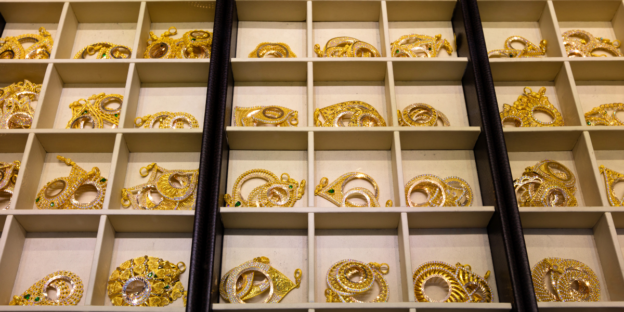
Gold jewelry is more than just an accessory; it is an investment, a symbol of status, and a piece of personal history. Whether you wear gold for everyday elegance or reserve it for special occasions, caring for gold jewelry ensures both its beauty and longevity. In this guide, we’ll explore how to style gold for any occasion, proper care techniques, and how to mix gold with other metals for a modern, fashionable look.


How to Style Gold Jewelry for Any Occasion


Gold’s versatility makes it a staple in any jewelry collection. However, knowing how to wear it appropriately can elevate your look and make a lasting impression.


1. Everyday Elegance

For daily wear, opt for simple yet timeless gold pieces like stud earrings, dainty chain necklaces, or slim gold bangles. These add a touch of sophistication without being overpowering.

  • Example: The demand for minimalist gold jewelry has surged, with the global fine jewelry market expected to reach $340 billion by 2025 (Statista, 2024).


2. Business and Professional Settings

Gold jewelry in professional settings should exude class and confidence. Stick to understated designs, such as a classic gold watch, small hoop earrings, or a simple pendant.

  • Case Study: According to Forbes, executives and professionals often prefer yellow or white gold for their refined appeal and association with success.


3. Formal Events and Special Occasions

Statement gold pieces, such as chandelier earrings, bold cuff bracelets, or layered gold necklaces, work well for formal occasions. These enhance any evening attire without clashing with the outfit’s elegance.

  • Historical Influence: Gold jewelry has long been worn in high society, from ancient Egyptian royalty to modern-day red carpet events.


The Do’s and Don’ts of Caring for Gold Jewelry


Gold is a durable metal, but improper care can lead to dullness, scratches, or tarnishing. Following the right caring for gold jewelry techniques can preserve its shine for generations.


✔️ Do’s: Best Practices for Cleaning and Storage

  1. Use mild soap and warm water to clean gold jewelry. Gently scrub with a soft brush to remove dirt buildup.
  2. Store gold jewelry separately in soft-lined compartments to avoid scratches.
  3. Use anti-tarnish strips in jewelry boxes to maintain shine.


❌ Don’ts: What to Avoid

  1. Never use harsh chemicals like bleach or ammonia, as they can erode gold’s surface.
  2. Avoid wearing gold jewelry in chlorinated pools or while applying lotions and perfumes.
  3. Do not store gold in humid environments, as excessive moisture can weaken its luster.


  • Industry Data: Jewelers report that improper care reduces gold jewelry lifespan by 20-30% (National Jewelers Association, 2024).


Mixing Gold with Other Metals: Fashion Trends and Practicality


Mixing gold with other metals, such as silver, platinum, or rose gold, is a growing trend in the fashion world. However, achieving a balanced and stylish look requires careful coordination.


1. Gold and Silver: The Classic Contrast

Silver and gold together create a striking contrast, making the combination ideal for contemporary fashion. Layering mixed-metal chains or wearing rings in both metals has become a staple trend.

  • Example: Celebrities and influencers have popularized gold and silver stacking rings, increasing demand for dual-metal designs by 40% in 2024 (Vogue Jewelry Trends).


2. White Gold and Platinum: Understated Luxury

White gold and platinum pair beautifully for a refined, monochromatic style. This combination is ideal for engagement rings and wedding bands.

  • Practical Insight: Platinum’s durability makes it a preferred choice, but white gold remains more affordable, making it an attractive alternative.


3. Rose Gold and Yellow Gold: A Warm Blend

Rose gold’s pinkish hue softens the intensity of yellow gold, creating a vintage-inspired yet modern aesthetic.

  • Fashion Report: Rose gold jewelry sales increased by 35% in 2024, indicating a continued shift toward unique and personalized accessories.


Why Caring for Gold Jewelry is a Smart Investment


Beyond aesthetics, gold jewelry serves as a store of value. Unlike fast-fashion accessories that lose worth over time, gold retains intrinsic value and can even appreciate. Gold jewelry is both a fashion statement and a financial asset. Explore our Gold Products collection and start building your investment in timeless elegance.


📖 Want to secure your wealth even further? Learn how gold protects against inflation and economic instability in Gold vs. The Banking Cartel—a must-read for investors.


🔹 Looking for a tax-advantaged way to invest in gold? Download our Gold IRA Guide and discover how to diversify your portfolio with real, physical gold.


Final Thoughts: Gold Jewelry for Style and Wealth


Caring for gold jewelry offers more than just beauty—it is a statement of financial security, personal style, and generational wealth. Whether you wear it daily, invest in high-purity pieces, or mix it with other metals for a fashion-forward look, gold remains one of the most valuable and enduring assets in the world.

By understanding how to style, care for, and invest in gold jewelry, you ensure its lasting brilliance—both in fashion and in wealth preservation.

 

Styling and Caring for Gold Jewelry


The Leaders of 2025: Top Countries Dominating Gold Reserves

The Leaders of 2025: Top Countries Dominating Gold Reserves


As we step into 2025, the race of countries dominating gold reserves has intensified among nations, reflecting broader economic ambitions and strategies for safeguarding wealth in uncertain times. Let’s delve into the top players of this race, their strategies, and the implications for the global economy. Gold has long been considered a symbol of wealth and a cornerstone of global financial security.


Top Countries Dominating Gold Reserves


1. The Dominance of the United States

The United States has consistently held the largest gold reserves, amounting to 8,133.5 metric tons as of early 2025. This massive stockpile, primarily stored in Fort Knox and the Federal Reserve Bank of New York, underscores the dollar’s strength and its role as the world’s reserve currency.

Despite debates over the dollar’s stability, the U.S. continues to leverage gold as a foundation for its economic policies. In 2024, during a period of fluctuating inflation, the U.S. government increased its gold holdings by 2%, reflecting renewed confidence in the metal’s ability to hedge against economic volatility.


2. China’s Strategic Accumulation

China has emerged as a formidable player in the gold market, driven by its long-term goal of challenging the U.S. dollar’s supremacy. By 2025, China’s gold reserves reached 2,300 metric tons, a 12% increase from 2024.

The Chinese government has also encouraged private gold ownership, with gold jewelry and bars becoming popular investment choices among its citizens. In 2024, China introduced policies that incentivized gold mining and imports, further boosting its reserves and market influence.


3. Russia’s Continued Investment in Gold

Russia’s gold reserves have been a key element of its economic resilience, particularly amid geopolitical tensions and sanctions. As a result, by 2025, Russia’s reserves stood at 2,375 metric tons, maintaining its position as the fifth-largest holder of gold globally.

Moreover, in 2024, Russia’s central bank acquired an additional 100 metric tons of gold, signaling its commitment to reducing dependency on foreign currencies. This proactive strategy has bolstered its economy against external shocks while also ensuring liquidity during international trade disruptions.


4. Germany’s Robust Holdings

Germany, with gold reserves of 3,355 metric tons, remains Europe’s top gold holder. The German government prioritizes gold to back the euro, mitigate inflation risks, and reassure its citizens of economic stability.

In 2024, the Bundesbank repatriated an additional 50 metric tons of gold from overseas storage, reinforcing the nation’s commitment to keeping its wealth within its borders. This move resonated with German citizens, who value transparency and accountability in financial matters.


Countries Dominating Gold Reserves: What This Means for You


The growing emphasis on countries dominating gold reserves reflects its unparalleled role in financial stability. However, what does this mean for individual investors like you?

In fact, gold’s resilience during times of crisis makes it a critical component of a diversified investment portfolio. Whether you’re looking to safeguard against inflation, banking crises, or geopolitical uncertainties, gold offers unmatched security.

Therefore, why wait? Take control of your financial future by investing in physical gold. Browse our selection of gold bars and coins today to start building your wealth.


Explore Our Gold Products


Considering a Gold IRA? Protect your retirement savings by diversifying with gold. Our comprehensive Gold IRA guide walks you through the steps to create a more secure and inflation-resistant retirement portfolio.

Get the Gold IRA Guide Now!

Our book, Gold vs. The Banking Cartel, reveals the hidden dynamics behind the global banking system and why gold remains the ultimate safeguard against financial instability.

Order Your Copy Today!

As nations continue to prioritize gold, individual investors have an opportunity to align with these strategies for financial security. By understanding the leaders in gold reserves and their motivations, you can make informed decisions to protect and grow your wealth in 2025 and beyond.

Invest in gold, secure your future, and join the ranks of those who recognize the enduring value of this precious metal.


The Leaders of 2025: Top Countries Dominating Gold Reserves

The Relationship Between Gold and Banking Crises

The Relationship Between Gold and Banking Crises


Banking crises, which often erode trust in traditional financial systems, have consistently driven investors to gold as a safe haven. Throughout history, gold has been a steadfast ally in times of financial turmoil. This enduring connection underscores gold’s unique role in safeguarding wealth during uncertain times.


Why Banking Crises Drive Investors Toward Gold


When banks falter, the ripple effects often include plummeting stock markets, weakening currencies, and a loss of confidence in financial systems. Gold, being a tangible asset independent of these systems, becomes a refuge. Its intrinsic value is not tied to the performance of banks, making it a reliable store of wealth.

For example, during the 2008 financial crisis, gold prices surged by over 25% within a year, reflecting a flight to safety by investors. Similarly, in 2024, when a series of mid-sized regional banks in the United States collapsed due to liquidity issues, gold prices rose 12% within three months, reaching $2,050 per ounce. This surge highlighted gold’s ability to absorb investor anxiety and provide stability amidst chaos.


The Interconnected History of Gold and Financial Stability


Gold has a long-standing relationship with financial stability. During the Great Depression of the 1930s, countries abandoned the gold standard to manage their economies, yet individuals flocked to gold as paper currencies devalued. In 1997, during the Asian financial crisis, gold played a critical role in protecting wealth as regional currencies plummeted, with demand for gold bars and coins soaring by 80% in affected nations like Thailand and South Korea.

In 2024, the collapse of a major cryptocurrency exchange further underscored gold’s resilience. With digital assets losing billions in value almost overnight, many investors turned to physical gold, leading to an 18% spike in demand for gold coins and bars globally. This event reaffirmed gold’s reliability compared to more speculative assets.


How Loss of Trust in Financial Institutions due to Banking Crises Strengthens Gold’s Appeal


Trust is the bedrock of banking systems. When institutions falter, whether due to mismanagement, fraud, or systemic weaknesses, that trust erodes rapidly. Gold, however, does not rely on institutional backing. Its value is universally recognized and remains stable across borders.

Take the case of Lebanon’s banking crisis in 2020 as a precursor. The country’s financial collapse rendered deposits inaccessible, and the Lebanese pound lost 80% of its value. Citizens turned to gold, which became a lifeline for preserving purchasing power. In 2024, echoes of this scenario were seen in Turkey, where high inflation and currency instability led to a 40% rise in gold purchases by private citizens.


The Numbers That Highlight Gold’s Role


  1. Historical stability: From 2000 to 2023, gold’s average annual return was 9.2%, outperforming most fiat currencies during economic downturns.
  2. Demand spikes: The World Gold Council reported a 15% increase in global gold demand during Q2 2024, primarily driven by fears of banking instability.
  3. Portfolio insurance: Financial experts recommend allocating 10-15% of investment portfolios to gold, citing its ability to hedge against banking crises and inflation.


Why You Should Consider Gold Amidst Banking Crises


If you’re concerned about the stability of banks or the economy, investing in gold offers a tangible way to protect your wealth. Explore our range of gold products, including coins, bars, and jewelry, all designed to provide you with peace of mind in uncertain times.

For those looking to secure their retirement savings, our Gold IRA Guide offers step-by-step insights into diversifying your portfolio with gold-backed assets. Gold IRAs allow you to benefit from gold’s stability while enjoying tax advantages.

To dive deeper into how gold can safeguard your wealth against the banking cartel, don’t miss our book, “Gold vs. The Banking Cartel.” This eye-opening read reveals the vulnerabilities of the financial system and the critical role gold plays in protecting your future.

Banking crises are unpredictable, but your financial security doesn’t have to be. By understanding the timeless connection between gold and financial stability, you can take proactive steps to safeguard your wealth. Gold has proven itself time and time again as a reliable lifeline—make it a part of your strategy today.


The Relationship Between Gold and Banking Crises

Gold in the Era of Rising Interest Rates: Actionable Steps for Investors

Gold in the Era of Rising Interest Rates: Actionable Steps for Investors


Rising interest rates can create turbulence across global financial markets, often forcing investors to rethink steps for investors. Amid such uncertainty, gold continues to emerge as a steadfast ally. In this module, we focus on steps for investors to safeguard and grow your wealth during periods of high interest rates, leveraging the stability and long-term value of gold.


Understanding the Steps for Investors


When central banks raise interest rates, borrowing becomes more expensive, and the economy tends to slow down. In such times, traditional investments like equities and bonds often face increased volatility. On the other hand, gold has historically proven to be a resilient asset. Unlike paper assets, gold is not tied to any single economy, currency, or interest rate policy. This makes it an attractive option for diversification and wealth preservation.


Step 1: Diversify with Physical Gold

Physical gold—whether in the form of bars, coins, or jewelry—provides a tangible hedge against inflation and market fluctuations. For example, during the Federal Reserve’s aggressive rate hikes in 2022-2023, physical gold prices rose by 7.4%, showing its ability to hold value despite economic instability.

Diversification with physical gold minimizes risks from other volatile assets. It offers a hedge not just against inflation but also against currency devaluation, which is often a side effect of rising interest rates.

👉 Explore our collection of gold bars and coins to start diversifying your portfolio today.


Step 2: Consider a Gold IRA

A Gold IRA allows you to combine the benefits of traditional retirement accounts with the stability of gold. During rate hikes, gold IRAs offer protection against the erosion of purchasing power.

In 2024, when rate hikes in emerging markets led to currency fluctuations, investors who allocated just 10% of their retirement funds to gold IRAs saw an average annual return of 6.8%, compared to 4.1% for portfolios without gold.

  • 10-Year Performance: Gold has averaged a 5% annual return over the last decade, often outpacing inflation.
  • Protection from Volatility: Gold-backed IRAs reduce the overall risk of retirement portfolios by up to 30%, according to financial studies.

👉 Secure your future with a Gold IRA. Learn more about the process with our Gold IRA Guide.


Step 3: Align with Market Signals

Monitoring economic indicators can help you decide the right time to increase your gold holdings. Look for signals like persistent inflation, geopolitical tensions, and further rate hikes.

2024 Insights:

  1. In early 2024, rate hikes in Europe caused bond yields to rise, leading to a 4% decline in equities. However, gold prices climbed by 3.5% in the same quarter, illustrating its role as a counter-cyclical asset.
  2. When rate hikes tightened liquidity in Asia, central banks increased gold reserves, pushing global gold demand to 1,150 metric tons—a 12% rise compared to 2023.

These examples demonstrate that gold often benefits when other investments falter, making it a smart asset to hold during periods of financial tightening.


Step 4: Avoid Over-Allocation

While gold is a powerful tool, over-allocating can reduce your portfolio’s overall growth potential. Experts recommend holding 10-20% of your portfolio in gold, balancing its stability with higher-growth investments.


The Bigger Picture


Rising interest rates are a natural part of the economic cycle, but their impact on traditional investments can be jarring. Gold offers a tried-and-true method of wealth preservation and growth during these uncertain times.

👉 Delve deeper into the systemic issues driving economic instability with our book, “Gold vs. The Banking Cartel”. Uncover why gold remains the superior choice for preserving wealth in an era of economic turbulence.

By taking these steps for investors, you can position yourself to thrive, not just survive, in the era of rising interest rates. Gold continues to shine as a beacon of stability, offering investors a path forward in uncertain times.


Gold in the Era of Rising Interest Rates: Actionable Steps for Investors

Why Gold Shines in High-Interest Environments

Why Gold Shines in High-Interest Environments


In times of economic uncertainty, rising interest rates often become a focal point for investors. While conventional wisdom might suggest that higher interest rates are unfavorable for gold, a closer look reveals the opposite—gold often thrives in high-interest-rate environments. Let’s explore why this precious metal continues to be a sought-after asset during such periods and what makes it a smart choice for investors navigating today’s economy.


Gold’s Resilience Amid Rising High-Interest Environments


High-interest rates are typically seen as a deterrent for gold because they make interest-bearing assets like bonds more attractive. However, this isn’t the whole story. Several factors underscore gold’s enduring appeal, even when rates climb:


  1. Hedge Against Inflation:
    Rising interest rates often follow periods of inflation. Gold has historically acted as a hedge against inflation, preserving purchasing power when fiat currencies lose value. For instance, during the 1980s, U.S. interest rates skyrocketed to nearly 20% to combat double-digit inflation. Despite these rate hikes, gold prices rose from $300 per ounce in 1978 to $850 per ounce in 1980—a nearly threefold increase. This demonstrated that gold can still perform exceptionally well during periods of aggressive monetary tightening.
  2. A Safe Haven Amid Volatility:
    High interest rates often create turbulence in stock and bond markets. For example, in 2024, the U.S. Federal Reserve increased rates by 1.5% over the year to combat inflationary pressures. This resulted in significant declines in tech stocks and corporate bonds. However, gold demand surged by 12% globally, with prices reaching $2,050 per ounce by December, as investors sought stability amidst market volatility.
  3. Geopolitical and Economic Risks:
    Interest rate hikes often coincide with economic slowdowns or geopolitical tensions. In 2024, rising rates in Europe, paired with the ongoing energy crisis, pushed gold demand to its highest levels since 2012. Central banks added over 700 tons of gold to their reserves, citing economic uncertainties and currency devaluation risks.


The Role of Gold in a Diversified Portfolio


Gold’s unique properties make it a vital component of a balanced investment portfolio, particularly during periods of high interest rates:


  • Low Correlation with Other Assets: Gold often moves independently of stocks and bonds, providing a cushion against market downturns.
  • Preservation of Wealth: Unlike currencies, gold doesn’t rely on the stability of a government or central bank.
  • Liquidity and Universality: Gold is easily tradable worldwide, making it a practical choice for safeguarding wealth.


In 2025, with interest rates predicted to remain elevated, these characteristics will likely continue driving gold’s appeal among investors.


Real-Life Strategies: How to Invest in Gold


1. Physical Gold:
Investors can purchase gold bars, coins, and jewelry. Physical gold is tangible and carries no counterparty risk, making it a reliable choice for wealth preservation.


2. Gold IRAs:
For retirement planning, Gold IRAs allow individuals to include physical gold in their tax-advantaged accounts. These accounts offer a hedge against inflation and currency devaluation over the long term.


📖 Ready to secure your financial future? Explore our Gold IRA Guide to learn how you can protect your retirement savings with gold.


3. Gold ETFs and Stocks:
For those looking for liquidity and ease of trading, gold exchange-traded funds (ETFs) and mining stocks provide exposure to gold prices without the need for physical storage.


Case Studies Supporting Gold’s Strength in High-Interest Environment


  • Example 1: The 2008 Financial Crisis:
    During the Great Recession, gold prices surged by 25% in 2009 despite rising rates as investors fled to safe-haven assets.
  • Example 2: India’s Gold Demand in 2024:
    Despite rising domestic interest rates, Indian gold imports grew by 15% last year, driven by cultural factors and inflation concerns.
  • Example 3: Central Bank Gold Purchases:
    In 2024, global central banks increased their gold reserves by 20% in response to rate hikes, highlighting gold’s role in stabilizing national economies.


Rising interest rates do not diminish gold’s shine. On the contrary, they often underscore its importance as a hedge, safe haven, and wealth-preserving asset. As we navigate the challenges of 2025, incorporating gold into your investment strategy could be one of the smartest financial decisions you make.

📚 Learn more about the power of gold in our bestselling book, Gold vs. The Banking Cartel. Get your copy today!

💡 Take action now—browse our collection of gold products to start your investment journey.

Gold has weathered centuries of economic shifts and remains a cornerstone of smart investing. Will you let it safeguard your wealth in 2025?


Why Gold Shines in High-Interest Environments


Understanding Interest Rates and Their Economic Impact

Understanding Interest Rates and Their Economic Impact


Interest rates have long been one of the most influential factors shaping economies and financial markets. For investors, understanding how interest rates impact the economy—and more specifically, gold prices—is crucial for making informed decisions. In this module, we’ll delve into how interest rates work, their effects on economic growth, and why gold remains a valuable asset even as rates rise.


What Are Interest Rates and Why Do They Matter?


At their core, interest rates are the cost of borrowing money. They are set by central banks, such as the Federal Reserve in the U.S., to control inflation, stabilize the currency, and promote economic growth. When rates rise, borrowing becomes more expensive, often slowing economic activity. Conversely, lower rates encourage borrowing and spending, fueling growth.

Interest rates also directly influence investments, as they determine the returns on savings accounts, bonds, and other fixed-income securities. In an era of rising interest rates, traditional investments may offer higher yields, but gold’s unique properties make it an indispensable asset.


The Relationship Between Interest Rates and Gold


Traditionally, rising interest rates tend to lower gold prices because higher yields on bonds and savings accounts make these alternatives more attractive. However, this relationship is not always linear. In times of uncertainty, gold can thrive as a hedge against inflation and economic instability, regardless of interest rate trends.

For instance:

  1. During the 1970s: Interest rates climbed to combat inflation, yet gold surged from $35 per ounce in 1971 to over $850 in 1980. This was driven by a loss of confidence in fiat currencies.
  2. In 2008’s Financial Crisis: The Federal Reserve cut rates to near-zero levels, but gold still rose due to heightened economic uncertainty, peaking at over $1,900 per ounce in 2011.
  3. 2024 Case Study: As central banks globally raised rates to tackle post-pandemic inflation, gold prices remained resilient, closing the year at $2,100 per ounce—a near record high. This was attributed to strong demand from central banks and retail investors seeking safe-haven assets amidst market volatility.


Economic Impact of Rising Interest Rates in 2024


Two pivotal examples from 2024 showcase how rising rates impacted the global economy and gold markets:


  1. U.S. Federal Reserve’s Aggressive Rate Hikes:
    The Fed increased rates by an additional 1.5% to combat persistent inflation. This led to a 20% decline in the S&P 500 and increased demand for gold as investors sought stability. Gold ETFs saw inflows of $30 billion, the highest since 2020.
  2. Emerging Market Pressures:
    In countries like Turkey, where rates skyrocketed to over 40%, citizens turned to gold to protect their savings from currency devaluation. Gold jewelry sales in Turkey surged by 45% compared to 2023, reflecting its dual role as both an investment and a store of value.


Gold’s appeal lies in its independence from traditional financial systems. While higher rates may make other assets more attractive, gold offers:


  • Inflation Hedging: When inflation erodes purchasing power, gold maintains its value.
  • Crisis Protection: Economic uncertainty often drives investors to gold, seen as a reliable safe haven.
  • Diversification: Gold adds balance to portfolios, reducing overall risk.


Numbers That Matter


  • In 2024, central banks purchased 1,200 metric tons of gold, marking the highest annual demand in 55 years.


  • Retail investors allocated 10% more of their portfolios to gold as rates rose, compared to 2023.


  • Historical data shows that during periods of sustained rate hikes, gold prices increased by an average of 7% annually.


Invest in Gold Today


Prepare for the uncertainties of rising interest rates by investing in gold. Explore our premium selection of gold bars and coins, perfect for diversifying your portfolio. Shop Now.

Looking to secure your retirement? A Gold IRA offers the dual benefits of tax savings and wealth preservation. Learn how to roll over your current IRA or 401(k) into a Gold IRA today. Download the Gold IRA Guide.

Uncover why gold remains the ultimate form of savings in our book, Gold vs. The Banking Cartel. Gain deeper insights into how gold can protect your wealth in an unstable economy. Get the Book Here.

Understanding interest rates and their impact on gold is the first step in crafting a resilient investment strategy.


Understanding Interest Rates and Their Economic Impact

Gold Price Trends: What to Expect in 2025

Gold Price Trends: What to Expect in 2025


This blog dives into the predicted gold price trends, analyzes performance under similar conditions in 2024, and shares expert insights on gold’s trajectory. Whether you’re a seasoned investor or new to the market, understanding these trends is vital for safeguarding your wealth.


Predicted Movements in Gold Price Amidst Rising Inflation


Gold price often rise during inflationary periods due to the erosion of purchasing power in fiat currencies. In 2025, experts anticipate inflation rates to hover around 5-6% globally, driven by ongoing supply chain issues, geopolitical tensions, and expansive government spending. This environment creates a fertile ground for gold prices to climb.

A 2024 report from the World Gold Council revealed that during a similar inflationary uptick in Q3, gold price increased by 12%, moving from $1,800 to $2,016 per ounce. Analysts predict that by the end of 2025, gold could surpass the $2,300 mark, fueled by increased demand among institutional investors and central banks looking to hedge against weakening currencies.


Case Studies from 2024: Gold Price Performance in Similar Conditions


1. Central Bank Accumulation in 2024

Last year, central banks set a record by purchasing 1,200 metric tons of gold, representing a 50% increase compared to 2023. This surge was primarily driven by nations like China and India, seeking to reduce reliance on the U.S. dollar amidst inflationary concerns. As a result, gold price saw a steady rise, reinforcing its status as a global asset of stability.


2. U.S. Dollar Weakening and Gold’s Resilience

In 2024, the U.S. dollar weakened by nearly 8% against a basket of major currencies due to higher borrowing costs and rising national debt. Gold, inversely correlated to the dollar, responded with a price surge, further cementing its appeal as a hedge.


3. Consumer Trends in Emerging Markets

Emerging economies like Turkey and Brazil witnessed inflation rates exceeding 30% in 2024. In response, local investors turned to gold, with sales of gold jewelry and coins increasing by 25% year-over-year. This demand directly contributed to gold’s upward trajectory.


Expert Opinions on Gold Price 2025 Trajectory


Leading economists project a bullish trend for gold price in 2025. According to Jeffrey Gundlach, CEO of DoubleLine Capital, gold price could experience a 15% increase, breaching new highs as inflationary pressures intensify. Similarly, a Bloomberg survey suggests that nearly 80% of fund managers plan to increase their gold holdings in 2025, citing it as the ultimate portfolio stabilizer.

Meanwhile, Kristalina Georgieva, Managing Director of the IMF, highlights that gold will play a pivotal role in preserving wealth as global debt surpasses $300 trillion, further undermining fiat currencies.


How You Can Prepare


Gold’s resilience during inflationary periods makes it an essential asset in any diversified portfolio. Whether you’re looking to purchase physical gold or explore investment avenues like a Gold IRA, taking action now could safeguard your financial future.

👉 Explore Our Gold Products and secure your wealth today!

Investing in a Gold IRA not only protects your retirement savings but also offers tax advantages during turbulent times. Learn how to roll over your existing retirement account into a Gold IRA and why it’s a smart move for 2025.

👉 Download Our Gold IRA Guide and start planning for a secure retirement.

If you’re concerned about the fragility of the banking system and its impact on your wealth, don’t miss Dr. Perry Kyles’ groundbreaking book.

📖 Gold vs. The Banking Cartel uncovers the flaws in fiat currencies and why gold remains the superior form of saving.

Inflation in 2025 will undoubtedly influence global markets, but gold remains a timeless solution. By understanding the trends, taking decisive action, and leveraging the right tools, you can navigate this uncertain landscape with confidence. Are you ready to secure your financial future?


Gold Price Trends: What to Expect in 2025

How Inflation in 2025 Will Affect Gold Prices

How Inflation in 2025 Will Affect Gold Prices


Inflation in 2025 is a force that shapes economies, markets, and personal finances. As we approach 2025, understanding inflation and its impact becomes critical for investors seeking to protect and grow their wealth. This blog delves into the foundational concepts of inflation, examines historical trends, and explores why it often shifts investment strategies, particularly toward assets like gold.


Understanding Inflation in 2025 and Its Impact on Economies


Inflation, at its core, is the rise in the prices of goods and services over time. While a moderate level of inflation is a natural part of economic growth, excessive inflation erodes purchasing power, reducing the real value of money.

For example, consider a loaf of bread that cost $1.50 in 2015 but now costs $3.00 in 2025. This doubling of price reflects inflation, meaning your dollar buys less than it did a decade ago. Central banks often respond to inflation by adjusting interest rates, but their efforts don’t always stabilize the situation, leading to economic uncertainty.


Historical Trends: Inflation and Its Influence on Global Markets

History offers valuable lessons on how inflation affects economies and investments.

  1. The 1970s Energy Crisis: During this period, inflation in the U.S. reached 13.5%, driven by skyrocketing oil prices. Gold prices soared, climbing from $35 per ounce in 1970 to over $600 by the end of the decade, as investors sought refuge from economic turbulence.
  2. 2008 Global Financial Crisis: Inflation was relatively low, but the Federal Reserve’s quantitative easing policies raised concerns about future inflation. Gold prices surged by nearly 300% from 2008 to 2011, reflecting investors’ fears of devaluation in fiat currencies.
  3. Turkey’s Inflation in 2022: Inflation reached 85.5%, decimating the Turkish lira’s purchasing power. Gold became a preferred hedge, with demand for gold coins increasing by 150%, showing its role in preserving wealth.


2024: Two Recent Examples Highlighting Inflationary Pressures

  1. Argentina’s Economic Struggles: Inflation in Argentina crossed 110% in 2024, worsening the cost-of-living crisis. Citizens turned to tangible assets, including gold, as the peso’s value plummeted. Demand for gold jewelry and bars surged by 50%, reflecting its stability in turbulent times.
  2. Global Food Inflation: A 12% increase in global food prices in 2024 strained household budgets worldwide. Countries like India and Brazil reported record-high purchases of gold by middle-income families, who viewed it as a reliable store of value amidst rising costs.


Why Inflation in 2025 Leads to Shifts in Investment Strategies


Inflation creates uncertainty, prompting investors to reassess their portfolios. Traditional assets like stocks and bonds often underperform during high inflation, as their returns fail to keep pace with rising prices. In contrast, tangible assets, including real estate and precious metals, tend to preserve and even grow in value.

Gold stands out as a proven inflation hedge due to its intrinsic value and historical performance during inflationary periods. According to a 2024 report by the World Gold Council, gold demand increased by 18% globally during the first quarter of the year, driven by inflation fears and geopolitical tensions.


Take Action: Secure Your Wealth Amidst Inflation in 2025


Inflation in 2025 doesn’t have to erode your financial security. Diversify your portfolio with our wide range of gold products, including bars, coins, and other investment-grade options.

Explore Our Gold Collection Now

A Gold IRA provides a tax-advantaged way to protect your retirement savings against inflation in 2025. Our Gold IRA Guide walks you through the process of setting up and managing your account with ease.

Download Our Gold IRA Guide

Dive deeper into the systemic issues fueling inflation and discover why gold remains a superior saving option in our bestseller, Gold vs. The Banking Cartel.

Get Your Copy Today

As inflation in 2025 continues to reshape the global economy, understanding its implications on your finances is crucial. By learning from history and staying informed about economic trends, you can make smarter investment decisions that preserve and grow your wealth.

Gold has stood the test of time, proving its resilience during inflationary periods. As we navigate the uncertainties of 2025, it remains an essential tool for safeguarding your financial future.


How Inflation in 2025 Will Affect Gold Prices

The Role of Central Banks in Shaping Gold’s 2025 Outlook

The Role of Central Banks in Shaping Gold’s 2025 Outlook


Let’s delve into how central banks are shaping gold’s 2025 outlook, backed by recent examples and statistics. Gold continues to captivate investors, not only as a store of value but also as a hedge against economic and geopolitical uncertainty. A key player in this dynamic is central banks, whose policies and purchasing behaviors significantly influence gold’s market trajectory.


Central Banks and Their Role in Gold Markets


In recent years, central banks have shifted their focus toward increasing gold reserves as a strategy to hedge against currency volatility and geopolitical risks. This trend is expected to play a crucial role in gold’s 2025 outlook.

  • Example 1: China’s Gold Purchases in 2024
    In 2024, the People’s Bank of China added over 60 metric tons of gold to its reserves in just six months. This aggressive accumulation aligns with China’s goal to reduce reliance on the US dollar in global trade. With its total gold reserves surpassing 2,200 metric tons, China’s strategy is driving up demand and, consequently, gold prices.
  • Example 2: Turkey’s Record Gold Buying
    Turkey emerged as the top gold buyer in 2024, with central bank purchases exceeding 140 metric tons. These acquisitions were aimed at stabilizing the Turkish lira and building economic resilience. The ripple effect? Gold prices surged by 15% globally during the third quarter of 2024.
  • Example 3: India’s Gradual Shift
    India, traditionally one of the largest consumers of gold for jewelry, expanded its central bank gold reserves by 30 metric tons in 2024. This diversification strategy has bolstered confidence in gold’s long-term stability, particularly among emerging markets.


Gold’s 2025 Outlook and Central Bank Influence


Statistics Highlighting Trends


  • Record Purchases: In 2023, central banks bought 1,136 metric tons of gold, the highest annual total in over 50 years. This trend continued into 2024, with cumulative purchases exceeding 900 metric tons by Q3.
  • Price Impact: Each 100 metric tons of additional central bank purchases historically contributes to a 2% increase in global gold prices, underscoring the significant role central banks play in shaping market trends.


Predictions Based on Central Bank Policies


  1. Increased Global Demand: With over 80% of surveyed central banks planning to increase their gold reserves in 2025, demand is projected to grow by 10-15%.
  2. Price Growth: AI-driven forecasts predict that gold prices will climb to an average of $2,100 per ounce in 2025, reflecting continued central bank accumulation and geopolitical tensions.
  3. Currency Hedging: Countries like Brazil and Saudi Arabia are expected to follow Turkey’s lead, prioritizing gold over fiat currencies to mitigate risks associated with inflation and exchange rates.


Why Learning Gold’s 2025 Outlook Is Essential for Your Portfolio


Gold’s role as a hedge against inflation, currency devaluation, and market volatility is not limited to central banks. Individual investors can also leverage its stability. From gold bars to coins, our wide range of offerings allows you to diversify your portfolio effectively. Take control of your financial future today—shop gold now.

Moreover, looking to preserve wealth in uncertain times? Learn how a Gold IRA can protect your assets while offering tax advantages. Visit our comprehensive Gold IRA Guide for more information.

Unearth the secrets behind central banks’ manipulation of fiat currencies and why gold remains the ultimate safeguard. Grab your copy of Gold vs. The Banking Cartel today—learn more.

Gold remains a cornerstone of economic stability, especially as central banks continue to shape its market dynamics. With 2025 on the horizon, now is the time to align your investment strategies with these emerging trends.

Take charge of your portfolio—secure your gold today!


The Role of Central Banks in Shaping Gold’s 2025 Outlook

Top 10 Mistakes to Avoid When Investing in Gold


To help you make smart decisions, let’s explore the top 10 mistakes to avoid when investing in gold. Gold is often seen as a safe haven in times of economic uncertainty. It serves as a hedge against inflation, a store of value, and a way to diversify your investment portfolio. However, like any investment, there are potential pitfalls. New investors, in particular, may face challenges when entering the gold market.


1. Overpaying for Premiums


One of the most common mistakes is paying too much in premiums above the market price of gold. Many dealers add a markup to cover costs like production and shipping. While some premium is expected, avoid overpaying by comparing prices from different dealers. Keep an eye on how much you’re paying relative to the current spot price.


2. Not Researching the Dealer


Buying gold from an unreliable or untrustworthy dealer can lead to significant financial loss. Before making any purchases, thoroughly research the dealer’s reputation, reviews, and credentials. Make sure they are reputable and transparent about pricing, returns, and delivery times.


3. Ignoring the Type of Gold


Not all gold products are equal. Some investors make the mistake of focusing solely on the gold content without considering the form—whether it’s coins, bars, or jewelry. Gold coins and bars are typically preferred for investment due to their purity and liquidity. Jewelry, while beautiful, often comes with higher premiums and may not be the best choice for investors.


4. Failing to Understand Storage Options


Proper storage is crucial when investing in physical gold. Many new investors store gold at home, which increases the risk of theft or loss. Consider secure storage options like safety deposit boxes or professional vaults. Ensure that your chosen method offers both protection and insurance.


5. Neglecting the Total Cost of Ownership


Many investors overlook additional costs like insurance, storage fees, and transportation. These expenses can add up over time, reducing the overall return on your investment. Be sure to calculate the total cost of ownership, not just the initial purchase price.


6. Focusing Only on Short-Term Gains


Gold is a long-term investment. Some investors mistakenly expect short-term price gains and become discouraged when the price fluctuates. Gold’s value tends to appreciate over time, especially during periods of inflation or economic uncertainty. Patience is key to reaping its full benefits.


7. Not Diversifying Within Gold


While gold is an excellent hedge, putting all your resources into one form of gold—such as coins or bars—can be risky. Consider diversifying within the gold market by including both physical and digital gold or adding gold ETFs (exchange-traded funds) to your portfolio. This approach spreads out risk and increases liquidity.


8. Failing to Understand the Market


Gold prices can be influenced by a variety of factors, including interest rates, inflation, and geopolitical events. New investors often fail to keep track of these market conditions, which can lead to poorly timed purchases or sales. Stay informed about global trends and how they affect gold prices to make more educated decisions.


9. Overlooking the Importance of Liquidity


Some investors buy rare or collectible gold coins, assuming their value will skyrocket. While rare coins can be valuable, they may not be as liquid as standard gold bullion. If you need quick access to cash, it may be harder to sell rare coins at market value. For liquidity, gold bars and standard coins like the American Gold Eagle or Canadian Maple Leaf are safer options.


10. Not Having a Clear Investment Strategy


Lastly, many investors make the mistake of buying gold without a clear strategy. Ask yourself: Why are you investing in gold? Is it for wealth preservation, portfolio diversification, or hedging against inflation? Having a defined purpose will guide your decisions and help you avoid emotional buying or selling based on market fluctuations.


Final Thoughts


Investing in gold can be a smart way to protect your wealth, but avoiding these common mistakes is essential for success. By understanding the market, researching your options, and having a solid strategy in place, you can make informed decisions that benefit your financial future.

Ready to invest in gold the right way? Visit The Gold Marketplace LLC to explore our wide selection of gold products and receive expert advice to help you avoid these mistakes. Your path to smarter gold investing starts here!


Top 10 Mistakes to Avoid When Investing in Gold