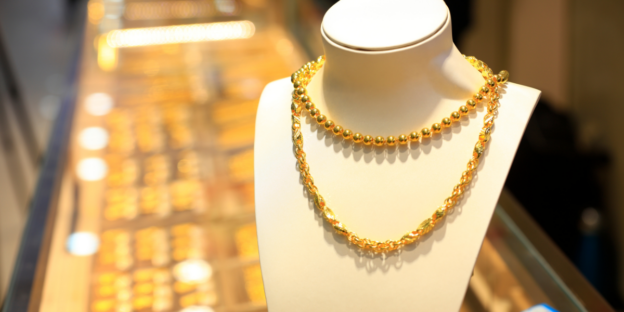
Category Archives: Gold Jewelry

Dr. Perry Kyles on The International Risk Podcast

Dr. Perry Kyles on The International Risk Podcast


What is a Banking Cartel? — Dr. Perry Kyles on The International Risk Podcast


In Episode 214 of The International Risk Podcast, Dr. Perry Kyles explains how a banking cartels dominate the financial system.

Many people believe banks compete for customers. In reality, a small group of financial institutions work together to control economies. They influence money supply, credit, and financial policies without public approval.


Understanding a Banking Cartel


A cartel is a group of organizations that secretly work together to control a market. They fix prices, limit competition, and shape economic policies. In banking, this means that central banks, private banks, and global financial groups collaborate to maintain power over money and credit.

These institutions include:

  1. Central Banks (Federal Reserve, European Central Bank)
  2. Large Private Banks (JPMorgan Chase, Goldman Sachs, HSBC)
  3. Global Financial Entities (IMF, Bank for International Settlements)

Their goal is to protect their influence. They do this by shaping monetary policies, controlling loan terms, and deciding how money flows. Consumers often pay the price through inflation, rising debt, and financial instability.


Educate Yourself on Banking Cartels


Knowledge is power. Learn how the system works so you can protect your financial future.

Banks rely on public ignorance to maintain control.

Read Dr. Perry Kyles’ book: “Gold vs. The Banking Cartel” for the full story.


What is a Banking Cartel? — Dr. Perry Kyles on The International Risk Podcast   

The Future of Gold Jewelry as an Asset Class in the Global Economy

The Future of Gold Jewelry as an Asset Class in the Global Economy


What does the future of gold jewelry hold as an asset? Gold has been a store of value for thousands of years, but in today’s rapidly changing financial landscape, its role is evolving. More than ever, gold jewelry is being recognized as a legitimate asset class—not just a luxury item. As global economies shift, inflation rises, and financial systems face increasing uncertainty, gold jewelry is emerging as a portable, private, and resilient investment.

Let’s explore the key factors that are shaping its place in the global economy and financial markets.


Why Future of Gold Jewelry Is Gaining Global Investment Status


Historically, gold has been associated with wealth and stability, but recent economic trends suggest that the future of gold jewelry will play an even greater role in the financial world. Here’s why:


1. Central Banks and Governments Are Accumulating Gold

Global central banks have been aggressively stockpiling gold, signaling a shift away from reliance on the U.S. dollar. In 2022, central banks purchased 1,136 metric tons of gold. That is the highest level in over 55 years. Countries like China, India, and Russia are increasing their gold reserves to reduce dependence on Western financial systems.


2. The Rise of the De-Dollarization Movement

The global economy is experiencing a de-dollarization trend, where countries and institutions are reducing their reliance on the U.S. dollar. In 2000, the dollar accounted for 71% of global foreign exchange reserves. By 2023, that number had dropped to 58%, according to the International Monetary Fund (IMF).


3. The Digital Era and the Decline of Privacy in Finance

With governments increasingly tracking financial transactions through digital banking, people are looking for assets that offer privacy and control. Unlike bank accounts, which can be frozen, gold jewelry provides discreet and independent wealth storage.


Future of Gold Jewelry as a New Asset Class in Investment Portfolios


As gold jewelry gains recognition as an investment vehicle, financial analysts are beginning to view it as a distinct asset class, much like stocks, bonds, or real estate.


How Gold Jewelry Fits into a Portfolio

  1. Diversification: Gold jewelry can act as a hedge against market crashes and inflation.
  2. Liquidity: Jewelry can be sold or traded globally, making it a highly flexible investment.
  3. Tangible Ownership: Unlike stocks or digital assets, gold jewelry is a physical, private asset.


Global Demand for Investment-Grade Jewelry is Rising


According to the World Gold Council, jewelry accounts for nearly 50% of total annual gold demand. In countries like India and China, gold jewelry has been a traditional form of wealth storage for generations.

More investors are realizing that high-quality gold jewelry is not just for adornment—it is a financial tool that protects against inflation, currency devaluation, and economic downturns.

👉 Start investing in gold jewelry today. Shop here.


Understanding the Bigger Picture about the Future of Gold Jewelry


Moreover, with gold jewelry being increasingly recognized, investors are exploring Gold IRAs as a secure way to store physical gold for the long term.

The financial system is structured to benefit banks, not individuals. Central banks inflate currency supply, devalue savings, and create market instability. They are forcing everyday people to work harder just to maintain their wealth.

Our book, Gold vs. The Banking Cartel, uncovers the truth about how the financial system is designed to keep people dependent on banks. We discuss how gold is the key to financial freedom.

Gold jewelry is no longer just an accessory—it is becoming a mainstream financial asset. Therefore, as central banks increase their gold holdings, investors worldwide are following their lead by diversifying their wealth into gold jewelry.


The Future of Gold Jewelry as an Asset Class in the Global Economy


The Role of Gold Jewelry in Luxury and High-Net-Worth Investments

The Role of Gold Jewelry in Luxury and High-Net-Worth Investments


In this blog, we explore why gold jewelry is a critical component of High-Net-Worth Investments, how it compares to other high-value assets, and what smart investors should consider when building a gold jewelry portfolio.

Gold jewelry has long been a symbol of wealth, status, and financial security. However, in recent years, it has evolved beyond a mere luxury item—it has become a strategic asset for high-net-worth individuals (HNWIs) and luxury investors. With gold prices consistently rising, elite investors are leveraging gold jewelry not only for adornment but also as a hedge against inflation, economic uncertainty, and currency devaluation.


Gold Jewelry as High-Net-Worth Investments


For HNWIs and luxury collectors, investing in gold jewelry is about more than just style—it’s about wealth preservation and strategic asset allocation. Gold jewelry offers tangible value, high liquidity, and global recognition, making it an attractive investment choice.


Key Reasons Why Gold Jewelry Appeals as High-Net-Worth Investments:

  1. Hedge Against Inflation: Gold jewelry holds intrinsic value, unlike fiat currencies that depreciate over time.
  2. Portable Wealth: Unlike real estate or stocks, gold jewelry can be discreetly stored and transported.
  3. Timeless Demand: Luxury gold jewelry maintains or increases in value, even during economic downturns.
  4. Exclusive and Rare Pieces Appreciate: Limited-edition gold jewelry and designer collections often rise in value due to scarcity.


1.The Power of Limited-Edition and Designer Gold Jewelry

Exclusive, limited-edition gold jewelry collections often fetch higher resale values due to their rarity and brand prestige. Some pieces even outperform stocks and real estate in terms of appreciation.

Case Study: The Cartier Panthère Gold Bracelet (2023)

A limited-edition Cartier Panthère 18K gold bracelet, originally priced at $35,000 in 2015, was resold at a 2023 Sotheby’s auction for $90,000—a 157% appreciation in value.

This outperformed the S&P 500’s average return over the same period.

  1. Brand value drives demand.
  2. Scarcity ensures long-term appreciation.
  3. Luxury collectors see gold jewelry as an alternative investment.


2. Gold Jewelry as a Status Symbol and Generational Wealth Asset

For centuries, gold jewelry has symbolized wealth and social status. Today, it remains a preferred asset among ultra-high-net-worth individuals (UHNWIs) who use it for:

  1. Wealth preservation during financial instability.
  2. Heirloom investments passed down through generations.
  3. Showcasing status in elite social circles.

Example: The Middle Eastern Gold Market (2024)

In Saudi Arabia and the UAE, gold jewelry purchases increased by 25% in 2024 as families prioritized gold as an intergenerational wealth asset.

Gold dowries and family heirlooms remain highly valued, reflecting cultural traditions where gold serves as a financial safeguard.


3. Smart Strategies for Investing in Gold Jewelry as High-Net-Worth Investments

For investors looking to maximize the benefits of gold jewelry investments, strategic buying and selling are key.

Tips for Luxury Investors:

  1. Buy Investment-Grade Gold Jewelry: Focus on 24K and 22K gold for high resale value.
  2. Look for Limited Editions: Designer collaborations and one-of-a-kind collections appreciate in value.
  3. Monitor Global Gold Prices: Purchase during price dips to maximize returns.
  4. Diversify Holdings: Balance gold jewelry investments with bullion, coins, and Gold IRAs for long-term security.


Protect Your Legacy with a Gold IRA


While gold jewelry is a luxury investment, a Gold IRA offers long-term financial security with tax benefits and inflation protection.

  1. Diversify your portfolio with physical gold investments.
    Grow your wealth tax-free in a Gold IRA.
    Ensure retirement security with stable, tangible assets.

💡 Download Our Gold IRA Guide to start building a gold-backed retirement plan.


The Hidden Truth: Gold vs. The Banking Cartel


Unlike fiat currency, which loses value over time, gold retains its purchasing power. However, the global financial system is designed to discourage gold ownership in favor of paper assets controlled by banks.

📖 Dr. Perry Kyles’ book, “Gold vs. The Banking Cartel,” reveals the truth behind central bank policies and why gold remains the ultimate hedge against financial manipulation.

💡 Get Your Copy Here and take control of your financial future.


Final Thoughts: Why Gold Jewelry is a Powerful High-Net-Worth Investments


Gold jewelry is not just about beauty—it is a strategic wealth preservation tool that:

  1. Offers high liquidity and appreciation potential.
  2. Provides inflation protection and portfolio diversification.
  3. Acts as an heirloom investment passed down through generations.

For high-net-worth investors, gold jewelry is an essential part of a well-balanced luxury portfolio.

Are you ready to invest in premium gold jewelry? Browse our exclusive gold jewelry collection here and secure your wealth in one of the world’s most prestigious assets.


The Role of Gold Jewelry in Luxury and High-Net-Worth Investments


Gold Jewelry Trade and Investment Trends in Emerging Markets

Gold Jewelry Trade and Investment Trends in Emerging Markets


Gold jewelry has long been a symbol of wealth, cultural significance, and financial security across the world. However, emerging markets have become a driving force in shaping the global gold jewelry trade and investment landscape. As economies grow, inflation fluctuates, and consumer preferences evolve, the demand for gold jewelry in these regions continues to rise.

In this blog, we explore how emerging markets impact gold jewelry prices, which countries are leading the demand, and what investment opportunities exist for those looking to capitalize on this expanding sector.


The Growing Influence of Emerging Markets 


Emerging markets—including India, China, Southeast Asia, the Middle East, and Latin America—are playing an increasingly dominant role in gold jewelry consumption and trade. Several factors drive this growth:

  1. Rising middle-class populations with higher disposable incomes
  2. Cultural traditions that emphasize gold jewelry ownership
  3. Weakening fiat currencies leading to gold as a hedge
  4. Growing investor interest in gold jewelry as a store of value

Global Gold Jewelry Trade Flows Have Shifted


1. India: The Powerhouse of Gold Jewelry Demand

India is the largest consumer of gold jewelry globally, accounting for nearly 25% of global demand.

Key Stats on India’s Gold Jewelry Market:

  1. In 2024, India’s gold jewelry demand reached 700 metric tons, a 5% increase from 2023.
  2. The Diwali and wedding season alone drives 40% of annual purchases, causing seasonal price surges.


2. China: The Rising Force in Gold Jewelry Investment

Unlike Western markets, where gold jewelry is often a fashion accessory, in China, it is viewed as a tangible asset that safeguards wealth.

Key Trends in China’s Gold Jewelry Market:

  1. In 2024, Chinese consumers bought 675 metric tons of gold jewelry, with a 6% year-over-year increase.
  2. 24K gold jewelry remains highly preferred, as Chinese consumers prioritize purity over design trends.


3. The Middle East: A Gold Jewelry Hub Amid Economic Shifts

The Middle East has one of the highest per capita gold jewelry consumption rates, with Dubai, Saudi Arabia, and Turkey leading the way.

Middle East Gold Jewelry Market Overview:

  1. Dubai’s “City of Gold” reputation attracts international buyers, boosting annual gold jewelry sales.
  2. Turkey’s gold jewelry demand surged by 20% in 2024 as inflation weakened the Turkish lira.
  3. Saudi Arabia’s economic diversification plan led to a 30% increase in gold jewelry demand, as consumers sought stable assets.


4. Southeast Asia and Latin America: The Emerging Players

Countries like Vietnam, Thailand, Brazil, and Mexico are seeing a surge in gold jewelry purchases.

Key Emerging Market Trends:

  1. Vietnam’s gold jewelry demand rose by 15% in 2024, driven by currency devaluation concerns.
  2. Thailand saw a 12% increase in gold jewelry sales, as tourism and investment interest rebounded.
  3. Latin American consumers turned to gold jewelry as a hedge against inflation, leading to a 20% rise in sales in Brazil and Mexico.

What This Means for Gold Jewelry Investors


With emerging markets driving global gold jewelry demand, investors should consider key strategies to capitalize on price movements and market trends.


1. Track Seasonal Buying Patterns

India’s wedding and festival seasons (September–March) create demand spikes.

Chinese New Year gold purchases typically boost prices.

Middle Eastern gold jewelry sales rise during Ramadan and Eid.


2. Buy Gold Jewelry in Markets with Competitive Pricing

Dubai’s VAT-free gold market offers better pricing for buyers.

Thailand and Vietnam’s high-purity gold jewelry markets provide valuable investment options.


3. Diversify Between Gold Jewelry and Gold IRAs

While gold jewelry holds value, a Gold IRA offers long-term wealth protection with tax advantages.

Download our Gold IRA Guide to secure your wealth for the future.


Learn the Hidden Truth About Gold and the Global Financial System


Gold jewelry has outperformed fiat currencies for centuries, yet banks and financial institutions continue to push paper assets over tangible wealth.

📖 Dr. Perry Kyles’ book, “Gold vs. The Banking Cartel,” exposes how the financial system is rigged and why gold remains the ultimate safeguard.

💡 Get your copy here and take control of your financial future.


Final Thoughts: Gold Jewelry as a Strategic Investment in Global Markets


Gold jewelry is no longer just about aesthetics—it is a strategic investment influenced by global demand, currency fluctuations, and economic shifts. By understanding how emerging markets shape gold jewelry trade, investors can:

  1. Time their purchases for maximum profitability
  2. Diversify into high-purity gold jewelry from key global markets
  3. Use gold jewelry as a hedge against inflation and currency risks

Are you ready to invest in high-quality gold jewelry? Browse our latest collection here and start building a globally diversified gold jewelry portfolio today.

Gold Jewelry Trade and Investment Trends in Emerging Markets

How International Gold Jewelry Demand Affects Prices

How International Gold Jewelry Demand Affects Prices


Gold jewelry is more than just an accessory—it is a global commodity that plays a significant role in shaping international markets. As demand fluctuates across different regions, gold jewelry prices experience notable shifts, influenced by factors such as economic growth, cultural traditions, and geopolitical events.

In this blog, we will explore how international demand impacts gold jewelry prices, analyze key markets driving growth, and discuss what this means for investors looking to maximize their returns on gold jewelry investments.


Understanding Gold Jewelry Demand


Gold jewelry prices are not solely dictated by the cost of raw gold. Several external factors contribute to price movements, including:

  1. Consumer demand from different regions
  2. Economic trends that influence purchasing power
  3. Central bank policies affecting gold supply
  4. Cultural and seasonal shifts driving gold jewelry buying patterns

When demand increases in high-consumption regions like India, China, and the Middle East, gold prices typically rise. Conversely, when demand weakens due to economic slowdowns or financial crises, prices may stabilize or decline.


1. The Role of India: A Gold Jewelry Powerhouse

India is the world’s largest consumer of gold jewelry, accounting for nearly 25% of global gold demand. This demand is deeply rooted in cultural traditions such as weddings, festivals, and religious ceremonies.

Case Study: India’s Wedding Season and Gold Prices

In 2023, India imported 880 metric tons of gold, with nearly 50% used in jewelry production.

During the peak wedding season (October-March), gold demand soared, driving prices up by 8% in just six months.


2. China’s Gold Jewelry Market: Stability and Growth

China ranks second in global gold jewelry consumption, with buyers often viewing gold as a symbol of wealth and long-term security. Unlike Western markets that see gold jewelry as a fashion statement, China’s demand is largely investment-driven.

China’s Gold Demand in 2024:

Chinese consumers purchased 700 metric tons of gold jewelry in 2024, an increase of 5% from 2023.

Economic concerns and yuan depreciation led to higher gold jewelry purchases as a hedge against inflation.


3. The Middle East: A Gold Jewelry Hub Amid Economic Shifts

The Middle East, particularly countries like the UAE, Saudi Arabia, and Turkey, has a high per capita gold consumption rate, with gold jewelry being a preferred asset for wealth preservation.

Gold Jewelry Demand in the Middle East (2024):

Dubai, known as the “City of Gold,” saw a 15% rise in gold jewelry purchases due to tax-free shopping for tourists.

Turkey’s central bank bought 85 metric tons of gold, impacting both national and international gold prices.


How Geopolitical and Economic Trends Influence Gold Jewelry Demand


While consumer demand plays a significant role in shaping gold jewelry prices, geopolitical tensions, economic downturns, and financial crises also influence the market. When global instability increases, gold jewelry demand tends to rise as investors and consumers seek safe-haven assets.


1. Geopolitical Crises and Gold Jewelry Demand

When geopolitical uncertainty disrupts economies, gold prices tend to surge, including the price of gold jewelry. This is because investors and consumers alike turn to gold as a hedge against instability.

Case Study: The Russia-Ukraine Conflict and Gold Prices

  • Following the Russia-Ukraine conflict, gold prices rose by 20% in early 2022 as investors sought safe-haven assets.
  • Russian gold jewelry exports saw a temporary drop, but domestic demand increased as the ruble weakened, reinforcing gold’s role as a store of value.
  • Central banks increased their gold reserves, further tightening the supply of physical gold for jewelry manufacturers.


2. Inflation and Currency Depreciation: Driving Gold Jewelry Demand

Gold has historically acted as a hedge against inflation, making gold jewelry an attractive asset during periods of rising consumer prices and currency devaluation.

Example: The Turkish Lira Crisis and Gold Jewelry Demand

  • In 2024, Turkey’s inflation rate exceeded 40%, causing the Turkish lira to depreciate.
  • Gold jewelry sales spiked by 30% as citizens rushed to buy gold to preserve purchasing power.
  • Turkish gold jewelry exports also rose, as international buyers sought affordable, high-quality gold jewelry due to favorable exchange rates.


What This Means for Gold Jewelry Investors


Understanding how international demand and economic conditions impact gold jewelry prices can help investors make strategic purchasing and selling decisions. Here are some actionable steps:


1. Monitor Global Gold Jewelry Demand

  • Track seasonal demand trends in India (wedding seasons) and China (investment buying).
  • Watch for policy changes affecting gold imports and exports in major markets like the Middle East.
  • Pay attention to gold jewelry purchasing trends among central banks, as their stockpiling can impact supply and pricing.


2. Use Economic Trends to Time Your Purchases

  • Buy gold jewelry when inflation is low and before price surges.
  • Consider purchasing during off-peak seasons when demand slows, creating potential discounts.
  • Diversify your holdings by including both investment-grade bullion and high-value gold jewelry.


3. Choose the Right Gold Jewelry Investments

  • Prioritize higher-purity gold (22K and 24K) for better resale value.
  • Consider limited-edition or designer gold jewelry, as they tend to appreciate over time.
  • Invest in gold jewelry with historical significance—antique or vintage pieces often gain value faster.


Secure Your Wealth with a Gold IRA


While gold jewelry is an excellent investment, a Gold IRA provides long-term security and tax benefits for serious investors.

  1. Protect your portfolio from inflation and market crashes.
  2. Enjoy tax-deferred growth with a Gold IRA investment.
  3. Own physical gold securely stored in IRS-approved depositories.

💡 Download our Gold IRA Guide to learn how to diversify your retirement with gold.


Learn the Hidden Truths of the Banking System


Gold has consistently outperformed fiat currency over time. However, central banks and financial institutions manipulate monetary policies, devaluing fiat currencies while increasing their gold reserves.

📖 Dr. Perry Kyles’ book, “Gold vs. The Banking Cartel,” reveals how the system is designed to weaken individual wealth and why gold remains the ultimate hedge.

💡 Get your copy here and discover why gold is the superior form of saving.


Positioning for Gold Jewelry Investments in a Global Market


The international demand for gold jewelry is driven by cultural traditions, economic stability, and geopolitical shifts. By understanding the trends shaping global gold jewelry markets, investors can:

  1. Identify the best times to buy and sell gold jewelry.
  2. Use inflation trends to maximize investment returns.
  3. Diversify their gold holdings between jewelry, bullion, and Gold IRAs.

If you’re ready to start investing in high-quality gold jewelry, browse our latest collection here and take the first step toward preserving your wealth through gold.

How International Gold Jewelry Demand Affects Prices

Smart Strategies for Buying and Selling Gold Jewelry in Uncertain Times

Smart Strategies for Buying and Selling Gold Jewelry in Uncertain Times


In this blog, we will explore smart strategies for buying and selling gold jewelry, analyzing inflation trends, economic policies, and resale markets. You’ll learn how to time your purchases, get the best value when selling, and understand future gold jewelry price movements.

Gold jewelry is not just a statement of luxury—it is a strategic investment that can protect and grow your wealth during inflationary cycles and economic crises. However, to maximize its potential, investors must understand when to buy, when to sell, and how market trends affect gold jewelry prices.


How to Time Buying and Selling Gold Jewelry During Inflationary Cycles


Inflation directly impacts gold prices—when inflation rises, gold tends to appreciate as fiat currencies lose value. However, not all gold price increases are the same. Understanding the right time to buy gold jewelry can mean the difference between a strong investment and overpaying.


1. Key Indicators That Gold Prices Are About to Rise

Investors should track inflation rates, central bank policies, and global economic trends to predict gold price movements. Here are some key signs that gold jewelry prices are likely to increase:

High Inflation Reports: If inflation rates exceed central bank targets, gold demand typically rises as a hedge against currency devaluation.
Stock Market Volatility: When stock markets decline, investors rush to safe-haven assets like gold, pushing prices up.
Central Bank Gold Purchases: If global central banks increase their gold reserves, prices tend to follow suit.

Example: In 2022, after the U.S. inflation rate hit 9.1% (a 40-year high), gold prices surged 15% within six months. Investors who purchased gold jewelry before this spike benefited significantly.


2. When to Buy: Gold Price Trends and Economic Indicators

To avoid buying at peak prices, investors should watch for price pullbacks. Typically, gold prices dip when:
📉 Interest rates rise—Higher interest rates make gold less attractive in the short term, leading to temporary price declines.
📉 Economic stability returns—If inflation slows and stock markets recover, gold demand temporarily weakens.

💡 Smart Strategy: The best time to buy gold jewelry is during periods of economic optimism when prices are lower, rather than during crises when demand pushes prices up.

Example: In early 2024, after the Federal Reserve raised interest rates, gold prices briefly dropped by 8%. Investors who bought during this dip benefited when prices rebounded later in the year.


Where to Sell Gold Jewelry for the Best Value During Economic Crises


Gold jewelry is an excellent asset because it remains highly liquid. However, not all resale options provide the same value. Understanding the gold resale market can help you maximize your returns.

Many investors turn to pawnshops or local gold buyers to sell their jewelry, but these options often result in lowball offers.

Pawnshop Downside:
📉 Pawnshops typically offer 30-50% less than market value to ensure their profit margins.
📉 They focus on quick transactions rather than fair pricing.

Better Alternatives:
💰 Jewelry Auctions & Online Marketplaces: Platforms like Sotheby’s and eBay often attract higher bids from collectors.
💰 Private Collectors & Investors: Selling directly to collectors can yield 20-30% more than pawnshops.
💰 Reputable Gold-Buying Companies: Some companies specialize in gold jewelry resale and offer closer-to-market prices.

Example: In 2023, during a banking crisis in Lebanon, gold jewelry resale values skyrocketed as people sought to convert their assets into cash. Those who sold through private buyers received 40% more than those who sold through pawnshops.


Future Outlook: How Inflation and Economic Policies Could Affect Buying and Selling Gold Jewelry


1. Predictions for Gold Jewelry Demand in the Next Decade

As inflation concerns persist and economic uncertainty grows, gold jewelry demand is expected to rise globally.

📈 India and China – These two nations account for over 50% of global gold jewelry demand. As their middle class expands, demand for investment-grade jewelry will increase.
📈 Western Investors – More U.S. and European investors are turning to gold jewelry as a portable store of wealth, similar to bullion.
📈 Supply ConstraintsGold mining production is slowing, which could further drive up gold jewelry prices.

💡 Expert Projection: By 2030, gold jewelry prices could rise by 30-40%, making early investments more profitable.


2. The Role of Digital Gold and Tokenized Assets in Gold Jewelry Investing

With the rise of blockchain technology, investors can now buy tokenized gold jewelry, which is:
Backed by physical gold
Easier to trade internationally
Less prone to price manipulation

Example: In 2024, a Swiss gold company launched a blockchain-based gold jewelry exchange, allowing investors to buy, sell, and trade digital gold jewelry tokens backed by real gold. This innovation could shape the future of gold investments.


Protecting Your Wealth with a Gold IRA

While gold jewelry is an excellent investment, a Gold IRA (Individual Retirement Account) offers long-term tax advantages and inflation protection.

Why Add Gold to Your IRA?

  1. Hedge Against Inflation – Gold maintains purchasing power while cash depreciates.
  2. Tax-Advantaged Growth – A Gold IRA allows you to hold physical gold in a tax-protected account.
  3. Crisis-Proof Wealth – Unlike stocks or fiat currency, gold remains valuable during financial turmoil.

💡 Ready to secure your future? Download our Gold IRA Guide here and start protecting your wealth today!


The Truth About Gold vs. Banks: What You Must Know

Banks rely on inflation and fiat currency devaluation to profit, while gold remains a true store of wealth. If you want to understand:

  1. Why banks manipulate paper currency
  2. How gold remains the superior savings method
  3. How to protect your assets from financial institutions

Then you need to read Dr. Perry Kyles’ book, “Gold vs. The Banking Cartel”. Get your copy here.


The Smartest Buying and Selling Gold Jewelry Strategies in Uncertain Times


In times of economic uncertainty, gold jewelry offers stability, liquidity, and long-term value appreciation. However, success depends on buying at the right time, selling through the best channels, and understanding future price trends.

Key Takeaways:

  1. Buy gold jewelry when inflation is low and interest rates are high to secure the best prices.
  2. Avoid pawnshops—sell through private buyers, auctions, or reputable gold dealers for maximum returns.
  3. The future of gold jewelry investing looks strong, with demand rising globally and new digital gold innovations emerging.

Are you ready to start investing in high-quality gold jewelry? Explore our exclusive collection here and begin building your financial security today!

Smart Strategies for Buying and Selling Gold Jewelry in Uncertain Times

Gold Jewelry as a Hedge During Economic Crises

Gold Jewelry as a Hedge During Economic Crises


Economic crises have historically shaken financial markets, devalued currencies, and created uncertainty for investors. While traditional assets such as stocks and bonds tend to suffer during economic downturns, gold has remained a reliable store of value for centuries.

Gold jewelry, in particular, serves a unique dual purpose—it is both a tangible investment and a wearable asset. In this article, we will explore how gold jewelry acts as a hedge during economic crises, supported by real-world examples, historical trends, and financial data.

By the end, you’ll understand why gold jewelry is not just a luxury item but a strategic financial safeguard.


Why Gold Jewelry Holds Value During Economic Crises


Gold has long been considered a safe-haven asset, meaning that when the economy declines, demand for gold increases. Unlike fiat currency, which can be devalued through inflation or government intervention, gold maintains its intrinsic worth.

Gold jewelry benefits from this stability because:

  1. Gold Prices Rise During Economic Uncertainty – When markets crash, investors flock to gold, driving up its price.
  2. Gold Jewelry is a Portable Store of Wealth – Unlike real estate or stocks, gold jewelry can be easily transported and sold.
  3. Gold Jewelry is a Universally Accepted Asset – Gold’s value is recognized worldwide, making it highly liquid even in financial crises.

Let’s examine some historical examples that prove gold jewelry’s reliability in times of crisis.


Historical Evidence: Gold Jewelry as a Hedge in Economic Crises


1. The 2008 Financial Crisis

During the global financial crisis of 2008, stock markets plummeted, and housing values collapsed. However, gold prices soared from $869 per ounce in January 2008 to over $1,200 per ounce by the end of 2009, a 38% increase in just two years.

As a result, gold jewelry demand rose significantly, particularly in India and China, where people traditionally use jewelry as a financial safety net. Many families sold gold jewelry to cover living expenses, proving its liquidity during difficult times.


2. The COVID-19 Pandemic (2020-2022)

The COVID-19 pandemic led to massive economic shutdowns, unemployment spikes, and stock market volatility. However, gold’s value surged, reaching an all-time high of $2,067 per ounce in August 2020.

Consumers in countries like Turkey and Argentina, where inflation devalued local currencies, turned to gold jewelry as an alternative to holding cash. Gold jewelry demand in Turkey increased by over 60% in 2021, as people sought to protect their wealth.


3. Hyperinflation in Venezuela

Venezuela’s economy collapsed due to hyperinflation, with the Bolívar losing 99% of its value. Amid this crisis, gold jewelry became a vital medium of exchange. Venezuelans traded gold jewelry for food, medicine, and even travel expenses. This real-world example highlights the importance of owning physical gold assets during extreme economic downturns.


Gold Jewelry as a Hedge vs. Other Assets During Economic Crises


The table above clearly demonstrates why gold jewelry is a superior hedge compared to other assets during financial turmoil.


Diversifying with a Gold IRA for Long-Term Security


While gold jewelry is an excellent investment for immediate liquidity, a Gold IRA (Individual Retirement Account) provides long-term protection against economic instability.


  1. Tax-Advantaged Growth – Your gold investment grows tax-free within an IRA.
  2. Protection from Currency Devaluation – Unlike fiat money, gold retains value over time.
  3. Portfolio Diversification – Gold balances your portfolio against stock market crashes.


To learn how to secure your retirement with a Gold IRA, download our Gold IRA Guide here.


The Truth About Banks and Gold: What They Don’t Want You to Know


Banks and financial institutions have long manipulated monetary policies, devaluing your savings through inflation and excessive money printing. Meanwhile, gold remains a timeless store of wealth that cannot be artificially created or devalued.

If you want to understand how banks control the financial system and why gold is your best defense, get a copy of Dr. Perry Kyles’ book, “Gold vs. The Banking Cartel” here.

  1. How banks profit from economic crises while consumers suffer
  2. Why fiat currency is designed to lose value over time
  3. How gold protects your financial freedom


Conclusion: Gold Jewelry as a Financial Lifeline


Gold jewelry is more than just an accessory—it is a reliable financial asset that has protected wealth for generations. During inflationary periods and economic crises, it offers:

  1. A stable store of value when markets crash
  2. High liquidity and worldwide acceptance
  3. Portability and convenience in financial emergencies

If you’re looking to invest in high-quality gold jewelry, explore our latest collection here. Protect your wealth with gold today!

Would you like to learn more about how inflation influences gold prices? Stay tuned for our next module: Gold Jewelry Price Trends in a Changing Economy.

Gold Jewelry as a Hedge During Economic Crises

The Relationship Between Inflation and Gold Jewelry Prices

The Relationship Between Inflation and Gold Jewelry Prices


Gold has long been recognized as a store of value, a hedge against inflation, and a reliable asset during economic crises. While most investors focus on gold bullion or coins, gold jewelry also holds substantial financial significance. Understanding how inflation and economic downturns impact gold jewelry prices can help buyers make informed investment decisions.

In this blog, we will explore the relationship between inflation and gold jewelry prices, supported by historical data and real-world examples. By the end, you’ll see why gold jewelry is more than just an adornment—it’s a financial safeguard.


How Inflation Affects Gold Jewelry Prices


Inflation erodes the purchasing power of paper currency, making tangible assets like gold more valuable. Historically, gold prices rise during inflationary periods because investors seek assets that retain value.

For example, during the 1970s inflation crisis, the U.S. inflation rate soared to 13.3% in 1979, and gold prices skyrocketed from $35 per ounce in 1971 to $850 per ounce in 1980. Similarly, from 2019 to 2022, as inflation surged following the COVID-19 pandemic, gold prices increased by 32%, reflecting its role as a hedge against economic instability.

Gold jewelry follows the same trend. Since gold jewelry contains a high percentage of pure gold, its value rises alongside gold spot prices. When inflation spikes, jewelers adjust their pricing, making gold jewelry more expensive.


Why Gold Jewelry Retains Value During Inflation


Unlike paper currency, which loses value over time, gold jewelry maintains intrinsic worth due to its precious metal content. This is because:

  1. Gold is a Limited Resource – The global gold supply is finite, and mining production cannot keep up with rising demand during economic uncertainty.
  2. Gold is Universally Recognized – Unlike stocks or bonds, gold jewelry holds value worldwide, making it easy to liquidate when needed.
  3. Gold Prices Adjust to Inflation – As the dollar weakens, gold prices increase to reflect the real purchasing power.

For instance, in India, one of the largest gold jewelry markets, inflation in 2022 led to an 8% increase in gold jewelry demand, proving that consumers view gold jewelry as a protective asset.


Gold Jewelry vs. Gold Bullion: Which is the Better Investment?


Some investors question whether gold jewelry is as good of an investment as gold bullion. While bullion has a lower premium and is easier to trade, gold jewelry offers additional benefits that bullion lacks:

  1. Dual Purpose – Gold jewelry serves as both an investment and a wearable asset. Unlike bullion, which sits in storage, jewelry can be used while still holding its value.
  2. Cultural and Sentimental Value – Many cultures, such as those in India, China, and the Middle East, view gold jewelry as a form of generational wealth. Families pass down gold jewelry, ensuring wealth preservation over time.
  3. Liquidity During Economic Crises – Jewelry can be sold quickly during financial hardships. During the 2008 financial crisis, pawnshops and gold buyers saw an increase of over 35% in gold jewelry sales, as people turned to their gold assets for emergency cash.

If you’re looking for investment-grade gold jewelry, check out our collection of high-purity gold pieces here.


Securing Your Wealth with a Gold IRA


While gold jewelry is an excellent hedge against inflation, diversifying your assets with a Gold IRA can offer even greater protection. A Gold IRA allows you to hold physical gold in a tax-advantaged retirement account, shielding your wealth from inflation and economic downturns.

  1. Protection from Market Volatility – Unlike stocks that crash during recessions, gold maintains or increases its value.
  2. Long-Term Wealth Preservation – Over the last 50 years, gold has averaged a 10% annual return, outperforming inflation.

  3. Tax Benefits – Gold IRAs offer tax-deferred or tax-free growth, depending on the type of account.

If you’re interested in securing your retirement with gold, download our Gold IRA Guide here.


The Truth About Banking and Gold: What You Need to Know


Banks and financial institutions have historically manipulated paper currency values to their advantage, causing economic instability. However, gold has always remained a true store of value, unaffected by government policies or monetary devaluation.

To understand how banks devalue your money while gold remains the superior form of saving, grab a copy of Dr. Perry Kyles’ book, “Gold vs. The Banking Cartel” here. This book exposes:

  1. How banks profit from inflation while devaluing your savings.
  2. Why the banking system is designed to keep you dependent.
  3. How gold protects your financial future in ways banks never will.


Final Thoughts: Why Gold Jewelry is a Smart Investment


Inflation and economic crises will continue to threaten financial stability, but gold jewelry remains a timeless asset that appreciates in value. Whether you purchase gold jewelry for fashion, investment, or generational wealth, its worth is undeniable.

  1. Gold jewelry prices rise with inflation.
  2. It serves as both an asset and a wearable investment.
  3. It offers liquidity during economic downturns.


If you’re looking to invest in high-quality gold jewelry, explore our latest collection here. Secure your wealth with gold today!

The Relationship Between Inflation and Gold Jewelry Prices

Understanding Gold Jewelry Liquidity and Resale Market

Understanding Gold Jewelry Liquidity and Resale Market


Gold jewelry has long been valued for its beauty, cultural significance, and ability to retain value. But beyond its aesthetic appeal, gold jewelry is also a liquid asset—one that can be sold or traded quickly when needed. Whether you’re investing in gold jewelry as a financial safety net or looking to maximize resale potential, understanding how the liquidity and resale market functions is crucial.

In this blog, we will explore what makes gold jewelry a liquid investment, factors affecting resale value, and key strategies to ensure you get the best price when selling your gold assets.


Why Gold Jewelry Is a Liquid Asset


Liquidity refers to how easily an asset can be converted into cash without significantly losing value. Gold, whether in bullion or jewelry form, has a strong resale market due to its universal demand. However, not all gold jewelry is equally liquid. Several factors determine how quickly and efficiently a piece of jewelry can be sold.


1. The Global Demand for Gold

Gold has been a store of value for centuries, and its demand remains strong across international markets. According to the World Gold Council, gold demand increased by 5% in 2024, with jewelry accounting for nearly 50% of global gold consumption. This strong demand ensures that gold jewelry retains its value and can be sold relatively quickly.


2. Gold Purity and Karat Weight

Higher-purity gold (such as 24K or 22K) is generally more liquid than lower-karat gold (such as 10K or 14K) because it contains fewer alloyed metals. For example, in 2024, 22K gold jewelry saw a resale premium of 12% higher compared to 14K gold due to its higher gold content.


3. Market Conditions and Gold Prices

Gold jewelry prices fluctuate based on the gold spot price, which is influenced by global economic conditions, inflation, and central bank policies. In early 2024, gold prices surged to $2,300 per ounce amid economic uncertainty, prompting a rise in jewelry resale activity.


Where and How to Sell Gold Jewelry for Maximum Value


If you own gold jewelry and want to ensure you get the best price, it’s important to understand the different resale options available.


1. Selling to Jewelers and Pawnshops

Jewelry stores and pawnshops are among the most accessible places to sell gold jewelry. However, these buyers typically offer 20-40% below the gold melt value to ensure a profit. To negotiate a better price, it’s essential to know the current gold price and purity of your jewelry.


2. Online Gold Buyers and Marketplaces

Selling gold jewelry online has become an increasingly popular option. Platforms such as eBay, Worthy, and specialized gold-buying websites allow sellers to reach a wider audience and potentially get better offers. However, sellers should factor in transaction fees and ensure they work with reputable buyers.


3. Refiners and Gold Dealers

Gold refiners and bullion dealers often provide competitive offers for high-purity gold jewelry. These buyers assess jewelry based on its gold content and offer a price closer to the gold spot price minus refining fees.


4. Private Buyers and Auctions

For rare or designer gold jewelry pieces, private collectors or auction houses can be excellent avenues to fetch higher prices. For example, in 2024, a Cartier 18K gold necklace was auctioned at 35% above its melt value, highlighting the potential premium for branded jewelry.


Key Strategies to Maximize Gold Jewelry Liquidity


To ensure you get the highest possible return on your gold jewelry investment, follow these strategies:

1. Know Your Jewelry’s Value

  • Get a professional appraisal, especially for branded or antique pieces.
  • Check the current gold spot price to understand the base value.


2. Sell at the Right Time

  • Monitor gold price trends and sell when the market is high.
  • Avoid selling during periods of economic stability when gold prices tend to dip.


3. Keep Documentation and Certification

  • Having receipts, authenticity certificates, and hallmark information can increase resale value.
  • Certified jewelry often sells for 10-20% more than uncertified pieces.


4. Compare Multiple Offers

  • Get price quotes from at least three different buyers to find the best deal.
  • Online buyers may offer 5-10% higher prices than local pawnshops or jewelers.


Gold Jewelry vs. Gold Bullion: Which Is More Liquid?


While gold bullion is typically easier to sell at a price closer to the gold spot rate, gold jewelry has additional advantages:

  • Wearable Wealth: Unlike bullion, gold jewelry can be worn while still retaining its value.
  • Design and Craftsmanship Premium: Well-crafted or branded jewelry often sells for more than its melt value.
  • Lower Scrutiny in Transactions: Selling jewelry often requires less verification compared to bullion sales.


Secure Your Wealth with Gold Jewelry Liquidity Today


Gold jewelry offers more than just beauty—it’s a tangible, liquid asset that provides financial security. Whether you’re investing in gold jewelry or looking to resell, understanding market trends and value factors is crucial.


👉 Explore Our Gold Jewelry Collection and start building your investment portfolio today!


💡 Looking to diversify beyond jewelry? Consider a Gold IRA for long-term wealth preservation.
📖 Download Our Gold IRA Guide to learn how to invest in gold for retirement security.


For deeper insights into gold’s role in financial protection, don’t miss Dr. Perry Kyles’ book, “Gold vs. The Banking Cartel.”
📚 Get Your Copy Here


Gold jewelry remains one of the most versatile investment assets, offering both liquidity and aesthetic value. Understanding its resale market, strategic selling techniques, and the impact of gold prices will empower you to make informed financial decisions. Whether you’re holding onto gold jewelry for wealth preservation or planning to sell, the key is to stay informed and seize the best opportunities.

Understanding Gold Jewelry Liquidity and Resale Market

The Future of Gold Jewelry and Sustainability: A Lasting Investment

The Future of Gold Jewelry and Sustainability: A Lasting Investment


Gold jewelry has long been a symbol of lasting investment, wealth, culture, and personal style. But as the world shifts toward ethical sourcing, environmental responsibility, and technological advancements, the gold jewelry industry is undergoing a transformation. Investors, fashion enthusiasts, and sustainability-conscious buyers are now looking at gold not just as a luxury item but as an asset with long-term value.

In this blog, we explore how ethical gold sourcing, recycled gold, and AI-driven design innovations are shaping the future of gold jewelry.


Ethical Gold Jewelry: What Buyers Should Look For in A Lasting Investment


Consumers are becoming more aware of where their gold comes from and how it is mined. Ethical gold jewelry refers to pieces sourced from responsible mining operations that prioritize environmental protection and fair labor practices.


Why Ethical Gold Matters

  • Environmental Impact: Traditional gold mining contributes to deforestation, mercury pollution, and ecosystem destruction. According to the World Gold Council, the industry generates approximately 2.7 million metric tons of CO₂ emissions annually. Ethical mining initiatives work to reduce these effects by implementing sustainable practices.
  • Fair Labor Practices: The gold supply chain has long been associated with unsafe working conditions and unfair wages. Ethical gold ensures that miners are compensated fairly and work in humane conditions.
  • Increased Demand: Brands like Cartier and Tiffany & Co. have pledged to source gold responsibly, reflecting a 27% rise in consumer demand for ethical jewelry in the past five years (Forbes, 2024).


How to Identify Ethical Gold

  • Look for certifications like Fairmined Gold and Fairtrade Gold, which guarantee responsible sourcing.
  • Research brands that participate in sustainable gold initiatives.
  • Check for transparency in the supply chain—reputable jewelers should disclose where their gold comes from.


The Rise of Recycled Gold: Sustainability in the Jewelry Industry


Recycled gold is gaining popularity as a sustainable alternative to newly mined gold. With advancements in refining technology, old jewelry, electronic components, and industrial gold scraps are now being repurposed into high-quality gold jewelry.


Key Benefits of Recycled Gold

  • Lower Environmental Footprint: Recycling gold reduces carbon emissions by up to 99% compared to traditional mining.
  • Preservation of Natural Resources: Less reliance on gold mining means fewer land disruptions and water pollution.
  • Maintains Investment Value: Recycled gold retains the same purity and value as newly mined gold, making it a strong investment choice.


Real-World Example: Recycled Gold in Action

In 2024, Pandora announced that 100% of its gold jewelry would come from recycled sources, cutting down its carbon emissions significantly. This shift aligns with consumer preferences, as 73% of millennial and Gen Z buyers prioritize sustainability in luxury goods (Deloitte, 2024).


How AI and Technology Are Transforming Gold Jewelry Design


The integration of artificial intelligence (AI) and digital technology is revolutionizing gold jewelry design, manufacturing, and investment. AI-driven software now creates intricate, customized pieces with precision, reducing waste and increasing efficiency.


AI Innovations in Gold Jewelry

  • 3D Printing & Customization: Advanced 3D printing allows jewelers to create unique, custom designs at a fraction of traditional production costs.
  • AI-Powered Market Predictions: AI analyzes gold price trends, helping investors determine the best times to buy or sell gold jewelry.
  • Blockchain & Authentication: Blockchain technology is now being used to track gold’s journey from mine to market, ensuring authenticity and ethical sourcing.


Example: AI’s Role in Gold Investment

In early 2024, Sotheby’s introduced AI-powered jewelry auctions, where bidders could use AI predictions to assess the future value of high-end gold pieces. As a result, gold jewelry sales rose by 18% compared to previous years, demonstrating the growing intersection between technology and investment.


Invest in A Lasting Investment with Confidence


As ethical sourcing, sustainability, and AI-driven innovations continue to shape the gold jewelry industry, investors and buyers have more opportunities than ever to make informed decisions.

👉 Explore our collection of high-quality gold jewelry and secure a timeless investment today.


Looking for A Lasting Investment?


Gold isn’t just about fashion—it’s a powerful financial tool. Therefore, if you’re considering adding gold to your investment portfolio, a Gold IRA might be the perfect option.

📖 Download Our Gold IRA Guide and learn how you can protect your wealth with tax-advantaged gold investments.


Uncover the Truth About the Banking System

Curious about how gold can shield your wealth from economic uncertainty? Dr. Perry Kyles’ groundbreaking book, “Gold vs. The Banking Cartel,” exposes the hidden risks of fiat currency and why gold remains the ultimate store of value.

📖 Read Gold vs. The Banking Cartel and take control of your financial future today.


Final Thoughts

The gold jewelry industry is evolving, with ethical gold, recycled materials, and AI-driven advancements shaping the future. For aesthetic, sustainable, or investment purposes, understanding these trends will inform your gold jewelry decisions in 2025 and beyond.


The Future of Gold Jewelry and Sustainability: A Lasting Investment