Category Archives: Lecture Series

Tariffs and Inflation: Connecting the Dots

Tariffs and Inflation: Connecting the Dots


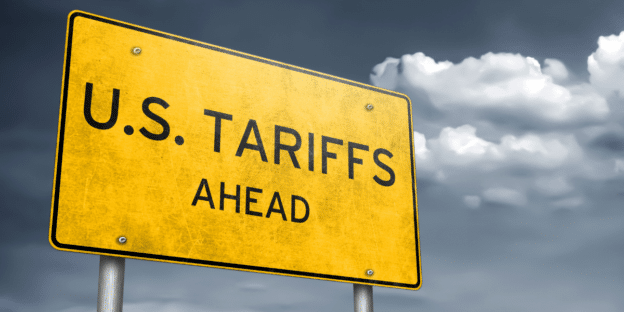
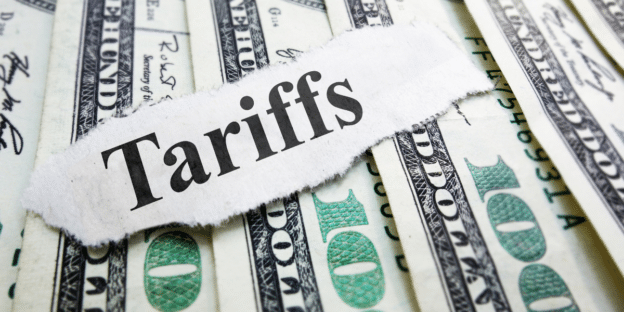
When the government imposes tariffs, the public often hears buzzwords like “economic strength,” “manufacturing revival,” or “leveling the playing field.” But behind the political theater, tariffs have a real and often underappreciated consequence: inflation.

In this blog, we’ll examine exactly how tariffs fuel price increases, why this matters to every consumer and investor, and what financial leaders—like Federal Reserve Chair Jerome Powell—are saying about it. Most importantly, we’ll discuss how gold offers a buffer in this increasingly unstable environment.


How Do Tariffs and Inflation Work?


To put it simply, tariffs are taxes on imported goods. While they are imposed on foreign sellers, the cost rarely stops there. Importers pass these costs onto retailers, who in turn raise prices for consumers.

But it doesn’t stop with just one product. Tariffs often affect entire supply chains. For example, if the price of microchips from Asia rises due to tariffs, so does the price of everything that uses them—phones, computers, even cars.

Consider this:

After a round of U.S. tariffs in 2022 on semiconductor components, consumer electronics prices rose 6.8% year-over-year.

The Federal Reserve Bank of San Francisco estimated that tariff-related price increases contributed to roughly 0.3 to 0.5 percentage points of core inflation between 2018 and 2020.

In the words of Fed Chair Jerome Powell, during a 2024 congressional hearing:

“While tariffs can serve strategic interests, they add to inflationary pressures and complicate our mandate of price stability.”


The Domino Effect that Tariffs and Inflation Brings on the Economy


Tariff-induced inflation doesn’t only impact retail prices—it spreads across housing, food, transportation, and even interest rates. Here’s how the dominoes fall:

  1. Tariffs increase production costs.
  2. Companies raise prices to protect profit margins.
  3. Consumers pay more for everyday goods.
  4. The Federal Reserve raises interest rates to fight inflation.
  5. Higher rates slow borrowing, investment, and eventually, job growth.

It becomes a dangerous cycle. Inflation goes up, economic activity slows, and yet the cost of living keeps rising. This is what economists call stagflation—slow growth and rising prices at the same time.


Tariffs and Inflation: A Quiet Crisis in Disguise


What’s alarming is that inflation can build quietly in the background, even before it shows up in headlines. Tariffs often hit essential goods first—materials, energy, industrial parts. These increases take time to trickle down to the end consumer.

So while inflation may seem “moderate” now at around 3.4% as of March 2025, many analysts believe the underlying pressures are far greater, especially with fresh tariffs on the horizon. If left unchecked, we could be looking at 5–6% inflation within the year, especially in sectors like construction, automotive, and energy.


Why Gold Makes More Sense Than Ever


In this environment, gold isn’t just a traditional asset—it’s a strategic defense tool. While fiat currencies weaken under inflationary strain, gold retains its purchasing power. Historically, when inflation rises, gold prices follow.

In 1979, during a period of 11% inflation, gold jumped 120% in a single year.

In 2020–2022, as inflation began surging post-COVID, gold rose from $1,470 to over $2,050 per ounce.

And now, as we face the uncertainty of tariff-fueled inflation, gold is once again proving its worth. Since January 2025, gold has already increased by over 11%, while equities have shown mixed returns.


Don’t wait until inflation eats away at your savings. Start diversifying today with physical gold bars, coins, and bullion from The Gold Marketplace.

👉 Explore Our Premium Gold Products


With interest rates rising and inflation looming, retirement accounts based on stocks and bonds are increasingly vulnerable. But there’s a solution: a Gold IRA, backed by tangible, inflation-resistant metal.

📥 Download Our Free Gold IRA Guide


It’s time to learn what they won’t teach you in school. In our bestselling book, Gold vs The Banking Cartel, Dr. Perry Kyles exposes the flawed logic of the fiat monetary system and the long-term dangers of unchecked inflation.

📚 Grab Your Copy Now


Final Thoughts


Tariffs may seem like a political maneuver—but their economic ripple effects are very real. From the supply chain to your shopping cart, they drive up prices and put pressure on central banks. Inflation is not just a risk—it’s already unfolding.

The smart move is not to panic, but to prepare.

Gold gives you that preparation. It gives you peace of mind. It gives you control.

Tariffs and Inflation: Connecting the Dots

Understanding the New U.S Tariffs and Their Immediate Impact

Understanding the New U.S Tariffs and Their Immediate Impact


In recent weeks, the U.S. has reignited global trade tensions with a bold move: sweeping new tariffs targeting key imports. These changes are already shaking financial markets and raising fears of inflation. But what does this really mean for the everyday American—and how can gold help you weather the potential storm?

Let’s break it down.


What Are These New U.S Tariffs About?


On March 31, 2025, the U.S. government announced tariffs on $60 billion worth of imported goods, including steel, aluminum, electric vehicles, and key manufacturing components. The move is aimed at reducing dependence on foreign production and reshoring American industry. However, it has sparked swift retaliation from trade partners like China and the European Union.

While national security and economic independence are often cited as justifications, there are real-world consequences to consider.


How Do U.S Tariffs Affect You?


Tariffs function like a tax on imports. When companies pay more to bring goods into the U.S., those costs often get passed on to consumers. For example:

The 2018 steel and aluminum tariffs raised prices by an estimated 20–25% across multiple industries—from cars to construction.

After those tariffs, U.S. manufacturing costs increased by nearly $900 per household, according to the Tax Foundation.

This time, economists at JPMorgan warn that these new tariffs could lead to an overall inflation rise of 0.4% by mid-2025. That might seem small—but in an economy where inflation is already creeping above the Fed’s 2% target, it matters.


Market Reactions and Volatility


Markets hate uncertainty. Since the announcement:

The S&P 500 dropped by over 2.6% in just 48 hours.

Tech-heavy indexes like the Nasdaq plunged 3.1%, fueled by concerns over rising costs and slowing demand.

Meanwhile, gold surged to $3,127 per ounce—breaking records.

Why gold? That leads us to an important point.


Gold: The Historical Hedge Against Turmoil


Historically, gold has thrived during times of geopolitical tension, inflation, and market instability. It is:

Uncorrelated with the stock market, meaning it often moves in the opposite direction.

Tangible and finite, unlike printed currency, making it resistant to manipulation or devaluation.

Highly liquid, so you can sell it anytime, almost anywhere in the world.

When central banks face uncertainty, they don’t buy stocks—they buy gold. In fact, central bank gold purchases hit a record 1,136 tonnes in 2023, according to the World Gold Council. That’s because gold is not just a commodity—it’s protection.


📢 Take Control: Start Your Gold Journey


In uncertain times, smart investors don’t wait—they prepare.

At The Gold Marketplace, we offer top-quality gold bars, coins, and bullion to help you diversify your portfolio and safeguard your wealth.

👉 Explore Our Gold Collection Now


Thinking long term? Consider a Gold IRA—a retirement account backed by physical gold instead of paper assets. It’s an excellent hedge against inflation and a smart way to preserve wealth for the future.

📘 Download Our Free Gold IRA Guide Here


Want to dive deeper into why gold outperforms fiat currency and why the current financial system is designed to fail you?

📚 Read our book: Gold vs The Banking Cartel

Final Thoughts


The U.S Tariffs battle is only beginning. As prices rise and markets react, the average investor must make a choice: ride the wave of uncertainty—or prepare with assets that have stood the test of time.

Gold has always been “God’s money”—and it may be your safest bet yet.

Stay tuned this week as we continue exploring:

  1. How U.S Tariffs trigger inflation
  2. The safe-haven power of gold
  3. Investment strategies in chaotic times

Understanding the New U.S Tariffs and Their Immediate Impact

Blog Lecture Series #19 – The Evolution of Gold Jewelry as a Financial Asset

Blog Lecture Series #19 – The Evolution of Gold Jewelry as a Financial Asset


The evolution of gold jewelry as an asset is reshaping the way investors perceive and utilize gold in their portfolios. For centuries, gold jewelry has been more than just a symbol of beauty and status—it has also served as a store of wealth. While traditionally seen as a luxury accessory, gold jewelry is now emerging as a financial asset, offering an alternative to traditional investments like stocks and bonds.


Module 1 – How Gold Jewelry Became More Than Just Fashion


Gold jewelry has always held cultural and sentimental value, but its financial significance is becoming increasingly recognized. Historically, gold has been used as a form of currency, and in many regions, gold jewelry has been a preferred way to store wealth. Unlike other luxury items that depreciate over time, high-quality gold jewelry retains and often appreciates in value, making it a practical and portable asset.


Module 2 – The Resurgence of Gold Jewelry as an Alternative to Stocks & Bonds


With market volatility and economic uncertainty on the rise, more investors are looking for stable and tangible assets to protect their wealth. Gold jewelry offers a unique combination of investment and adornment, providing financial security while also serving as a wearable asset. Unlike stocks and bonds, gold jewelry is not subject to market crashes or interest rate fluctuations, making it an appealing alternative for those seeking stability.


Module 3 – Why More Investors Are Turning to Gold Jewelry


Gold has long been considered a hedge against inflation, currency devaluation, and economic downturns. In many cultures, families pass down gold jewelry as an inheritance, ensuring financial security for future generations. Investors are now recognizing the advantages of owning gold jewelry over other forms of gold.


Module 4 – An Asset in the Global Economy


As financial markets evolve, the role of gold jewelry as an asset class is expected to grow. Digital innovations and blockchain technology may further enhance the liquidity and tradability of gold jewelry. This makes it easier for investors to buy, sell, and authenticate their holdings. Additionally, global demand for gold jewelry remains strong, particularly in emerging markets.


Gold jewelry is no longer just a fashion statement. It is a powerful financial asset with the potential to protect and grow wealth. As more investors seek stability in uncertain times, the appeal of gold jewelry as an alternative investment continues to rise.


Blog Lecture Series #19 - The Evolution of Gold Jewelry as a Financial Asset

Blog Lecture Series #18 – Gold Jewelry and Global Markets: A Strategic Perspective

Blog Lecture Series #18 – Gold Jewelry and Global Markets: A Strategic Perspective


Gold jewelry is more than an accessory—it’s a financial safeguard, a liquid asset, and global markets preservation tool. Yet, in an evolving economic landscape, investors must navigate challenges like inflation, market volatility, and shifting consumer demand.

If you’re concerned about wealth protection, inflation erosion, or asset liquidity, this blog series will help you understand why gold jewelry remains one of the most strategic investments available today.


Module 1: How Global Markets Affect Prices


Gold jewelry prices don’t exist in a vacuum—they are directly influenced by global consumer demand, economic trends, and geopolitical uncertainty. For investors, understanding these price drivers is crucial to making informed decisions.

Why Prices Fluctuate: Economic downturns, government policies, and central bank decisions directly impact gold jewelry costs.

Regional Demand Drives Price Surges: Countries like India and China account for nearly 60% of global gold jewelry demand, making their economic shifts highly influential.

Example: In 2024, India lowered import tariffs on gold, triggering a 22% increase in demand and pushing global gold prices up by 7% in just three months.

Investor Takeaway: If you’re worried about overpaying for gold jewelry, monitor international demand trends to time your purchases wisely.


Module 2: Gold Jewelry Trade and Investment Trends in Global Markets


Emerging markets face high inflation, currency devaluation, and banking instability—problems that drive investors toward tangible, liquid assets like gold jewelry.

Turkey’s Inflation Crisis (2024): With inflation soaring past 40%, Turkish citizens flocked to gold jewelry to preserve purchasing power. Demand for gold surged 30%, lifting local gold prices.

Middle Eastern Gold Expansion: Dubai now accounts for 25% of the world’s gold trade, offering tax-free investment opportunities.

Africa’s Growing Gold Investment Market: In nations like Nigeria and South Africa, more citizens are investing in gold jewelry due to concerns about currency instability and recession risks.

Example: In Egypt, gold jewelry sales rose 18% in 2024 as inflation fears pushed investors away from cash and toward gold.

Investor Takeaway: If you’re worried about inflation eroding your wealth, gold jewelry is a trusted hedge that holds value across all economic conditions.


Module 3: The Role of Gold Jewelry in Luxury and High-Net-Worth Investments


High-net-worth individuals (HNWIs) don’t just buy gold jewelry for fashion—they buy it for financial security. Unlike real estate or fine art, gold jewelry is:

  1. Portable & Liquid – Easily stored and resold worldwide.
  2. Inflation-Proof – Retains purchasing power over time.
  3. Luxury-Driven – Limited edition and high-end designer pieces appreciate in value.

Evidently, A Cartier Panthère 18K gold bracelet, originally priced at $35,000 in 2015, sold at Sotheby’s for $90,000 in 2023—appreciating 157% in value over time.

Example: In 2024, Hong Kong’s luxury gold jewelry auctions hit record-breaking bids, as more investors moved away from volatile stock markets and into gold.

Investor Takeaway: If you’re looking for an investment that combines status, appreciation, and liquidity, gold jewelry is an ideal addition to your portfolio.


Module 4: Gold Jewelry vs. Fine Art: Which Holds Its Value Better?


Fine art and gold jewelry are both symbols of wealth, but when it comes to investment reliability, liquidity, and long-term value, they perform very differently.

Investment Factor Gold Jewelry Fine Art
Intrinsic Value Backed by gold’s metal worth Subjective—depends on artist reputation
Liquidity High—easily sold worldwide Low—requires auction houses/private buyers
Market Volatility Low—gold maintains stable value High—art fluctuates with trends
Storage & Maintenance Low-cost—easily stored High-cost—requires climate-controlled storage
Economic Resilience Strong—thrives in crises Weak—art markets suffer during downturns

Example:

In 2008, fine art values plummeted by 40%, while gold prices rose by 25%.

In 2024, some contemporary art pieces lost 15% of their value, while gold jewelry appreciated by 12%.

Investor Takeaway: If you’re looking for stability and liquidity, gold jewelry outperforms fine art as a safe-haven investment.


Final Thoughts: Why Gold Jewelry is a Powerhouse in Global Markets


Gold jewelry isn’t just for adornment—it’s a crisis-proof asset, a status symbol, and a globally accepted store of value. Whether you’re concerned about inflation, economic instability, or portfolio diversification, gold jewelry remains one of the smartest investments available.


Blog Lecture Series #18 - Gold Jewelry and Global Markets: A Strategic Perspective

Blog Lecture Series #17 – How Inflation and Economic Crises Impact Gold Jewelry Prices

Blog Lecture Series #17 – How Inflation and Economic Crises Impact Gold Jewelry Prices


Gold jewelry has long been a symbol of wealth, but beyond its aesthetic appeal, it serves as a powerful financial asset during times of inflation and economic crises. While traditional investments such as stocks and real estate can suffer during downturns, gold jewelry often retains or appreciates in value, making it a reliable hedge against financial crises.

In this blog, we explore the connection between inflation and gold jewelry prices, its role as a hedge, how it compares to other assets, and strategic ways to buy and sell gold jewelry during uncertain times.


The Relationship Between Inflation and Economic Crises vs Gold Jewelry Prices

Inflation directly impacts the value of fiat currency, reducing its purchasing power over time. However, gold thrives during inflationary cycles, maintaining its value as paper money declines.


1. Why Gold Jewelry Prices Increase During Inflation

When inflation rises:
Gold demand spikes as investors seek safe-haven assets.
The cost of mining and refining gold increases, pushing prices higher.
Central banks stockpile gold reserves, influencing global prices.

Example: During the 2022 inflation surge, U.S. inflation peaked at 9.1%, causing gold prices to jump from $1,800 to $2,050 per ounce within months. The demand for gold jewelry increased by 34% in emerging markets as consumers sought to protect their wealth.


2. Historical Trends: How Inflation Has Driven Gold Prices

📈 1970s Inflation Crisis: Gold surged from $35 to $850 per ounce due to inflation and economic uncertainty.
📈 2008 Financial Crisis: The stock market crash led to gold hitting $1,900 per ounce, as investors rushed to gold.
📈 2024 Inflation Trends: Rising global debt and economic instability have positioned gold for another price rally.

💡 Key Takeaway: Inflation weakens fiat currency, but gold jewelry remains a resilient asset that preserves wealth.


Gold Jewelry as a Hedge During Inflation and Economic Crises


Gold jewelry is not just an ornamental accessory—it is a portable, liquid asset that holds value even when traditional investments collapse.


1. Why Gold Jewelry is a Safe Haven in Financial Crises

During recessions and financial crashes:
Gold jewelry retains purchasing power, unlike cash, which loses value.
It is widely accepted globally—a form of wealth preservation in any economy.
It can be easily sold or traded, offering quick liquidity in emergencies.


2. Case Studies of Gold Jewelry’s Performance in Crises

📌 2008 Financial Crisis: Stock markets crashed 38%, but gold prices soared 25%, proving its role as a wealth protector.
📌 Venezuela’s Hyperinflation: As Venezuela’s currency collapsed, citizens relied on gold jewelry as currency, trading it for essentials.
📌 2023 Banking Crisis in Lebanon: People exchanged gold jewelry for medical supplies and groceries when banks restricted withdrawals.

💡 Key Takeaway: In times of economic crisis, gold jewelry acts as a financial lifeline, providing liquidity and stability when fiat money fails.

Gold Jewelry vs. Other Assets in Times of Inflation and Economic Crises


How does gold jewelry compare to other investment options during economic uncertainty?

Asset Type Performance During Crises Liquidity Inflation Protection Portability
Gold Jewelry Increases in value High Strong High
Stocks Declines Medium Weak Low
Real Estate Declines Low Moderate Very Low
Cash (Fiat Currency) Decreases in purchasing power High Weak High

Stock Market Volatility:

  • The S&P 500 lost 50% during the 2008 crisis, wiping out retirement savings.
  • Gold, on the other hand, gained over 20% in the same period.


Real Estate Downturns:

  • In 2008, home values dropped 30-40%, leaving investors trapped in declining markets.
  • Gold jewelry, however, remained liquid and appreciated in value.

💡 Key Takeaway: Compared to stocks, real estate, and cash, gold jewelry offers higher liquidity, better inflation protection, and stable long-term value.


Smart Strategies for Buying and Selling Gold Jewelry in Inflation and Economic Crises


To maximize the benefits of investing in gold jewelry, investors must buy at the right time and sell through the right channels.


1. When to Buy Gold Jewelry: Timing Purchases for Maximum Profit

Buy when:
Gold prices temporarily dip due to market corrections.
Interest rates rise, creating short-term gold price declines.
Inflation is low but expected to increase, positioning gold for future growth.

Example: In early 2024, after a Federal Reserve interest rate hike, gold prices dropped 8%, presenting a buying opportunity before prices rebounded later that year.


2. Where to Sell Gold Jewelry for the Best Price

💰 Avoid pawnshops – They offer prices 30-50% below market value to maintain profit margins.
💰 Consider gold auctions – Selling through reputable auction houses or online marketplaces attracts competitive buyers.
💰 Sell to private collectors or investors – These buyers often pay 20-30% more than commercial gold buyers.

📌 Example: During the 2023 economic slowdown, gold jewelry resale values increased by 40% in markets like Turkey and India, as investors sought alternative stores of value.


3. Future Outlook: The Role of Inflation and Gold Jewelry Demand

Experts predict:
📈 Gold jewelry demand will rise as inflation remains persistent.
📈 Tokenized gold and blockchain-based gold investments will reshape the market.
📈 Global central banks increasing gold reserves will push prices higher.

💡 Key Takeaway: Buying gold jewelry during market dips and selling at peak inflation points ensures maximum profitability.


Secure Your Wealth with a Gold IRA


While gold jewelry is a valuable asset, a Gold IRA (Individual Retirement Account) provides long-term wealth protection and tax benefits.

Diversify your portfolio – Protect against market volatility.
Hedge against inflation – Gold outperforms fiat currency in value retention.
Grow your retirement tax-free – Invest in physical gold through a Gold IRA.

💡 Download our comprehensive Gold IRA Guide here and start securing your future today.


The Banking System’s Hidden Truth: Why Gold Matters

Banks manipulate money supply and interest rates, making fiat currency lose value over time. Gold, however, remains a fixed store of wealth.

📖 Dr. Perry Kyles’ book, “Gold vs. The Banking Cartel,” exposes how the financial system is rigged against consumers. Learn how gold can protect you from inflation and banking crises.

💡 Get your copy here and discover the real power of gold.


Gold Jewelry as an Investment in Inflation and Economic Crises


Gold jewelry is more than just a luxury—it is a crisis-proof financial asset. In times of inflation and economic downturns, it offers:

Stable value compared to stocks and real estate
Liquidity when traditional markets fail
A globally recognized store of wealth

If you’re looking to invest in high-quality gold jewelry, explore our latest collection here and start building your financial security today!

Blog Lecture Series #17 - How Inflation and Economic Crises Impact Gold Jewelry Prices

Blog Lecture Series #16 – Investing in Gold Jewelry: A Smart Financial Move

Blog Lecture Series #16 – Investing in Gold Jewelry: A Smart Financial Move


Gold has long been a symbol of wealth, power, and smart financial move. While many investors focus on gold bars and coins, gold jewelry offers a unique combination of investment, fashion, and legacy. It holds intrinsic value, serves as a portable asset, and can be passed down through generations. But how can you maximize gold jewelry as a financial asset?

In this blog, we will explore how to build a profitable gold jewelry portfolio, understand its liquidity and resale value, identify the best investment-grade pieces, and sell gold jewelry for maximum profit.


Module 1 – How to Build a Gold Jewelry Portfolio for a Smart Financial Move


A well-structured gold jewelry portfolio can serve as both a smart financial move and a hedge against inflation. Unlike other assets, gold jewelry retains value while offering aesthetic appeal and cultural significance.


1. Diversification Matters

Just as with stocks and bonds, diversification is key in gold jewelry investing. Consider a mix of:

24K gold pieces for purity and weight

18K and 14K jewelry for durability and wearability

Limited edition or antique pieces that appreciate in value

A study by the World Gold Council found that gold jewelry accounts for nearly 50% of global gold demand, making it a strong, stable asset class.


2. Historical Performance of Gold Jewelry

Gold prices have historically trended upwards. For example, in 2000, gold was valued at $280 per ounce, but by 2023, it had surpassed $2,000 per ounce. This price surge has increased the resale value of gold jewelry significantly.


3. Storing and Insuring Gold Jewelry

To preserve long-term value, proper storage is essential. Use bank vaults or insured safety deposit boxes for high-value pieces. Additionally, insuring your gold jewelry can protect against loss or theft.

💡 Want to start your gold jewelry investment journey? Explore our high-quality gold jewelry collection today as a smart financial move.


Module 2 – Understanding Gold Jewelry’s Liquidity and Resale Market for a Smart Financial Move


One of the biggest advantages of gold jewelry is its liquidity. Unlike real estate or stocks, gold jewelry can be sold quickly, anywhere in the world.


1. Gold Jewelry’s Role in the Global Market

In countries like India and China, gold jewelry is both an investment and a form of currency. The Indian wedding season alone drives over 700 tons of gold demand annually (World Gold Council).


2. How to Determine Resale Value

The resale price of gold jewelry depends on several factors:

Gold purity (karatage): 24K gold is more valuable than 18K or 14K

Market gold price: Selling when gold prices are high maximizes returns

Jewelry craftsmanship: Designer and antique pieces command higher prices

For example, in 2020, when gold prices hit record highs of $2,075 per ounce, many investors sold their gold jewelry for significant profits.


📘 Looking for a stable way to invest in gold? Check out our Gold IRA Guide to learn how to protect your wealth with gold investments for a smart financial move.


Module 3 – The Best Types of Gold Jewelry for Investment as a Smart Financial Move


Not all gold jewelry holds value equally. Smart investors focus on high-quality, high-purity pieces that retain value over time.


1. 24K Gold Jewelry: The Purest Investment

Best for: Wealth preservation

Example: 24K gold bangles or chains

Why: Higher gold content = higher resale value


2. Antique and Vintage Gold Jewelry

Best for: Long-term appreciation

Example: Victorian and Art Deco gold pieces

Why: Rarity increases value over time


3. Gold Jewelry from Recognized Brands

Best for: Premium resale value

Example: Cartier, Tiffany & Co., Bvlgari gold pieces

Why: Brand reputation adds value beyond gold content


A 2022 Sotheby’s auction featured a Cartier 18K gold bracelet that originally sold for $5,000 but was resold for $45,000, proving the power of branded gold jewelry in investment.


Module 4 – Selling Gold Jewelry: How to Get the Best Price for Your Pieces


When it’s time to sell, understanding market trends and choosing the right buyer is crucial for a smart financial move.


1. Timing the Market

Gold prices fluctuate based on economic conditions. The best time to sell is during:

Recessions: Investors seek gold as a safe haven

High inflation periods: Gold prices typically rise

Geopolitical instability: Gold demand increases

For instance, in 2022, gold prices surged 20% due to global inflation concerns, providing sellers with high returns.


2. Where to Sell Gold Jewelry for Maximum Profit

Reputable jewelers and pawnshops: Quick cash but lower prices

Online gold buyers: Competitive prices with authentication

Gold auctions: Best for high-end or antique pieces

Pro Tip: Always get multiple appraisals to ensure the best resale price.


📖 Want to learn more about how gold can protect your wealth? Read our book, “Gold vs. The Banking Cartel,” and uncover the truth about financial security.


Final Thoughts: Why Gold Jewelry is a Smart Financial Move


Gold jewelry is more than just an accessory—it is a smart financial move, a store of value, and a hedge against economic instability. Whether you’re building a portfolio, reselling for profit, or securing wealth for future generations, gold jewelry is a smart investment move.

🔹 Start your investment today! Browse our exclusive gold jewelry collection and take the first step toward building a lasting legacy.


Blog Lecture Series #16 - Investing in Gold Jewelry: A Smart Financial Move

Blog Lecture Series #15 – Gold Jewelry: Investment and Fashion and Legacy

Blog Lecture Series #15 – Gold Jewelry: Investment and Fashion and Legacy


Gold has long been revered as investment and fashion and legacy. Whether worn as a symbol of status, passed down as a cherished heirloom, or used as a financial hedge, gold jewelry remains one of the most enduring and versatile assets. But beyond its aesthetic appeal, how does gold jewelry compare as an investment? How can you distinguish high-quality gold pieces? And what does the future hold for sustainable and ethical gold jewelry?

In this blog, we explore the multifaceted world of gold jewelry—its investment potential, craftsmanship, styling, care, and the future of sustainable gold.


Module 1 – Gold Jewelry as Investment and Fashion and Legacy: Understanding Value, Purity, and Profitability


Unlike fast-depreciating assets, gold jewelry retains and even appreciates in value over time. Historically, gold has been a reliable store of wealth, protecting against inflation and economic downturns. In fact, during the 2008 financial crisis, gold prices surged by nearly 25%, reflecting increased investor confidence in the metal.

Moreover, gold jewelry has unique liquidity advantages. Unlike gold bars or bullion, which may require professional assay testing before resale, high-quality gold jewelry can often be sold instantly, either through jewelers, collectors, or pawnshops.


Purity and Karats: What Investors Should Know


Gold jewelry comes in different purities, measured in karats (K):

  • 24K (99.9% pure gold): Soft and prone to scratches but retains the highest value.
  • 22K (91.6% gold): Ideal for fine jewelry, offering both value and durability.
  • 18K (75% gold): A popular choice balancing durability and gold content.
  • 14K (58.3% gold): Affordable and durable but contains more alloys.


For investment purposes, higher karat gold (18K and above) tends to appreciate more over time due to its higher gold content. However, some investors opt for 14K gold pieces due to their affordability and durability for daily wear while still offering significant resale value.


Module 2 – The Craftsmanship and Quality of Gold Jewelry as Investment and Fashion and Legacy


Understanding Gold Hallmarks: Identifying Authentic Pieces

Hallmarks are small stamps on gold jewelry that indicate purity, manufacturer, and country of origin. For instance, a “750” stamp signifies 18K gold, while “916” denotes 22K gold. Understanding these marks can help investors avoid counterfeit pieces.


The Science Behind Gold Alloys

Pure gold is naturally soft, which is why it is often alloyed with metals like copper, silver, or palladium to enhance durability. The different alloys create distinct colors:

  • Yellow Gold: Traditional, classic gold hue.
  • White Gold: Mixed with palladium or nickel for a sleek silver appearance.
  • Rose Gold: Alloyed with copper, giving it a pinkish tone.

Each type has different market demand. For instance, rose gold saw a surge in popularity in the 2010s, but yellow gold remains the most sought-after metal for investment and fashion and legacy.


👉 Download Our Gold IRA Guide to learn how to incorporate gold into your investment strategy.


Module 3 – Styling and Caring for Gold Jewelry


How to Style Gold Jewelry for Any Occasion

Gold jewelry is one of the most versatile accessories. Whether you prefer minimalist elegance or bold statement pieces, gold complements almost any outfit.

  • For everyday wear: Simple 14K gold chains or stud earrings add a touch of sophistication.
  • For formal occasions: 22K or 24K gold bangles and necklaces create a luxurious, regal look.
  • For modern trends: Mixing white and yellow gold pieces creates a contemporary, layered aesthetic.


The Do’s and Don’ts of Cleaning and Storing Gold Jewelry

  • Do: Use mild soap and warm water to clean gold jewelry.
  • Don’t: Use harsh chemicals like bleach or ammonia, which can erode gold.
  • Do: Store gold in a soft-lined jewelry box to prevent scratches.
  • Don’t: Keep gold jewelry in humid areas, as moisture can damage certain alloys.

With proper care, gold jewelry can maintain its luster for decades, increasing both sentimental and financial value.


👉 Check Our Gold Jewelry Collection and find timeless investment pieces for investment and fashion and legacy.


Module 4 – The Future of Gold Jewelry and Sustainability as Investment, Fashion, Legacy


Ethical Gold Jewelry: What Buyers Should Look For

With increasing concerns about unethical mining practices, many buyers are turning to responsibly sourced gold. Ethical gold certification, such as Fairmined Gold, ensures that your jewelry supports responsible mining practices and fair wages for workers.


The Rise of Recycled Gold

Recycled gold is becoming a major trend in the jewelry industry, reducing environmental impact while maintaining value. In fact, by 2023, nearly 30% of newly crafted jewelry contained recycled gold, highlighting a shift towards sustainability.


How AI and Technology Are Transforming Gold Jewelry Design

Advancements in AI-driven gold design and 3D printing are revolutionizing jewelry customization, allowing for intricate, one-of-a-kind pieces. In the future, AI-powered platforms may enable buyers to design custom gold jewelry in real time, further enhancing gold’s appeal as an investment and fashion item.


Conclusion: Gold Jewelry—A Legacy of Wealth and Style


Gold jewelry is more than an accessory—it is a tangible investment, a fashion statement, and a lasting legacy. As history has shown, gold retains value even in economic downturns, making it a reliable hedge against uncertainty. Whether you are an investor, a jewelry enthusiast, or someone looking to pass down wealth to future generations, gold jewelry remains an unparalleled choice as investment and fashion and legacy.


Take the Next Step in Your Gold Investment Journey


📌 Secure your wealth today with our exclusive gold jewelry collection.

📖 Want to understand how gold protects against economic instability? Read Dr. Perry Kyles’ eye-opening book Gold vs. The Banking Cartel.


Gold jewelry is not just about fashion—it’s about securing your future. Are you ready to invest?


Blog Lecture Series #15 - Gold Jewelry: Investment and Fashion and Legacy

Blog Lecture Series #14 – The US Presidential Inauguration and Its Role in Shaping Global Markets

Blog Lecture Series #14 – The US Presidential Inauguration and Its Role in Shaping Global Markets


Every US Presidential Inauguration marks a turning point in financial markets, setting the tone for economic policies, geopolitical strategies, and investor sentiment. Historically, gold has played a crucial role during these transitions, serving as a safe-haven asset amid uncertainty. In this blog, we explore the historical relationship between inaugurations and gold prices, analyze geopolitical risks for investors, and uncover strategies for leveraging gold in a shifting political landscape.


Module 1 – How the US Presidential Inauguration Affects Gold’s Position in Global Markets


Gold’s Response to Past Inaugurations

Gold has a long history of reacting to political transitions, particularly when they signal significant economic policy changes. For example:

  • 2009 US Presidential Inauguration (Barack Obama): In the wake of the 2008 financial crisis, investors flooded into gold, pushing prices from around $850 per ounce in early 2009 to over $1,200 by the end of 2010 as concerns over monetary stimulus and inflation grew.
  • 2017 US Presidential Inauguration (Donald Trump): The uncertainty surrounding trade wars and deregulation initially drove gold prices up to $1,340 per ounce, but a strong dollar and market optimism later tempered gains.
  • 2021 US Presidential Inauguration (Joe Biden): With pandemic stimulus policies at the forefront, inflation fears and government spending pushed gold past $1,900 per ounce, reinforcing its role as a hedge against fiat currency devaluation.


What This Means for 2025

The 2025 US Presidential Inauguration will likely continue this pattern, with gold responding to the new administration’s fiscal and monetary policies. If the Federal Reserve signals rate cuts or increased stimulus, gold could surge in response to inflation fears. On the other hand, aggressive interest rate hikes could suppress its short-term gains, making it critical for investors to stay informed.


Module 2 – What’s at Stake for Investors after the U.S. Presidential Inauguration?


US Presidential Inauguration transitions don’t just impact domestic markets—they shape international relations and global trade. Investors should closely monitor the following geopolitical factors:


1. U.S.-China Relations and Trade Policies

  • In 2018, tariffs and trade tensions between the U.S. and China caused stock market volatility, sending gold prices soaring by 18% over the following year.
  • If the new administration takes a hard stance on China, investors may again turn to gold as a hedge against economic instability.


2. Energy Policies and Inflation Risks

  • Energy policies significantly affect inflation, and inflation influences gold prices.
  • Under the Biden administration, increased spending on renewable energy and supply chain disruptions pushed gold past $2,000 per ounce in 2023.
  • Any new policies impacting oil prices and energy markets in 2025 could once again drive gold demand.


3. Central Bank Reactions

  • Global central banks, including the Federal Reserve and the European Central Bank, adjust monetary policies in response to political changes.
  • If the 2025 administration prioritizes high spending, central banks may counteract inflation by increasing gold reserves, as seen in 2024 when global gold purchases by central banks hit 1,136 metric tons—the highest since 1967.


Module 3 – Positioning for Profit After the US Presidential Inauguration


Gold futures and leveraged trading present opportunities for investors seeking to capitalize on post-inauguration market shifts.


How Traders Can Benefit

  • Volatility Creates Opportunity: US presidential inauguration transitions often cause uncertainty, leading to short-term gold price swings. Traders can capitalize on these movements using futures contracts.
  • Gold as a Safe Haven: Historically, gold futures have surged by 10-15% in the months following market downturns tied to political uncertainty.
  • Inflation-Proof Hedging: As government spending increases, inflation concerns drive institutional investors toward leveraged gold positions.


Case Study: The 2024 Market Reaction

  • Following concerns over government debt and interest rates, gold surged by 12% in early 2024, rewarding traders who took long positions.
  • AI-driven trading algorithms now identify gold as a primary inflation hedge, reinforcing its status as a leveraged asset for investors.


Module 4 – Investing in Gold During Changing Political Landscapes like the US Presidential Inauguration


1. Portfolio Diversification for Stability

  • Gold has outperformed many assets during times of political uncertainty.
  • A 10-20% allocation to gold in a portfolio can reduce volatility and improve risk-adjusted returns.


2. Gold IRAs: A Shield Against Policy Shifts

  • Government policies affecting retirement accounts and taxation can impact traditional investment vehicles.
  • A Gold IRA allows investors to protect their savings from currency devaluation and inflation, offering long-term security.


3. Institutional Demand for Gold in 2025

  • Large institutions, including hedge funds and pension funds, increased their gold holdings by 14% in 2024, signaling a continued shift toward hard assets.
  • This trend is expected to continue post-inauguration, making gold an essential component of a balanced portfolio.


Take Control of Your Wealth with Gold


Political uncertainty, market volatility, and inflation risks make gold a crucial asset for financial security. Whether you are a trader looking for short-term gains or an investor seeking long-term protection, now is the time to take action.

Explore Our Gold Products

🔗 Browse Gold Bars & Coins

Secure Your Retirement with a Gold IRA

📖 Download Our Gold IRA Guide

Understand the Bigger Picture

📚 Read Gold vs. The Banking Cartel

As history has shown, gold remains the ultimate safeguard in times of change. Stay informed, stay protected, and make gold a cornerstone of your investment strategy today.


Blog Lecture Series #14 - The US Presidential Inauguration and Its Role in Shaping Global Markets

Blog Lecture Series # 13 – Top Countries Dominating Gold Reserves in 2025

Blog Lecture Series # 13 – Top Countries Dominating Gold Reserves in 2025


Gold continues to play a critical role in shaping the financial strategies of nations and individuals alike. In 2025, gold reserves remain at the heart of global economic planning, with countries vying for dominance in this valuable asset. This lecture series, Top Countries Dominating Gold Reserves in 2025, offers valuable insights into the intricate relationship between nations, gold reserves, and future financial trends.

Let’s explore the key modules of this series to understand how gold influences global economies and what lessons investors can take from these strategies.


Module # 1 – The Global Gold Race: Understanding Gold Reserves in 2025 and Their Significance


Gold reserves are more than just shiny assets stored in vaults—they are critical to national stability and economic resilience. Nations accumulate gold as a hedge against inflation, currency devaluation, and economic crises. For instance, during the 2008 financial crisis, gold prices surged by over 25%, proving its role as a safe haven in uncertain times.

In 2024, the global demand for gold grew by 20%, driven by geopolitical tensions and financial uncertainty. Countries like China and India not only increased their reserves but also encouraged individual ownership of gold to stabilize domestic markets.

Gold’s significance goes beyond stability; it serves as a strategic tool in trade and diplomacy. By understanding the dynamics of the gold race, investors can better appreciate its importance in a diversified portfolio.

👉 Take control of your financial future with physical gold. Browse our collection of premium gold bars and coins to begin your investment journey today.


Module # 2 – Top Countries Dominating Gold Reserves in 2025


Unsurprisingly, the United States maintains its position as the largest holder of gold reserves in 2025, with over 8,133 metric tons. This immense stockpile reinforces the dollar’s dominance as the world’s reserve currency. However, the gold race is becoming more competitive.

In 2024, China increased its reserves by 3%, bringing its total to approximately 2,200 metric tons. This move is part of its strategy to internationalize the yuan and reduce reliance on the U.S. dollar. Meanwhile, Russia added 100 metric tons to its reserves in 2024, a clear indicator of its dedication to economic independence amid sanctions.

These national strategies underline the pivotal role of gold in navigating global economic challenges.


Module # 3 – Lessons for Investors: Learning from National Gold Strategies


Countries leading the gold race teach us valuable lessons about safeguarding wealth. For example:

  • Diversification Matters: Nations like Germany hold significant reserves as a hedge against currency fluctuations.
  • Proactive Accumulation Pays Off: China and Russia’s steady acquisition of gold over the years has proven effective during periods of geopolitical tension.
  • Liquidity is Key: Gold’s universal value ensures it remains a liquid asset, even during banking crises.

As an investor, incorporating gold into your financial strategy can help protect your wealth from inflation, market volatility, and currency devaluation. Whether it’s purchasing physical gold or exploring a Gold IRA, gold offers unmatched stability.

👉 Secure your retirement with our Gold IRA guide. Learn how to protect your portfolio and grow your wealth with the timeless value of gold.


Module # 4 – Future Trends: Predicting Gold Reserve Movements


What lies ahead for gold reserves? Analysts predict continued accumulation by nations looking to hedge against global economic instability. Emerging economies, such as Turkey and Brazil, are expected to increase their reserves to reduce dependence on fiat currencies.

In 2024, global central banks purchased over 1,200 metric tons of gold—a trend likely to accelerate as concerns about inflation and banking stability grow. Furthermore, technological advancements in gold mining may increase supply, potentially influencing prices.

For investors, staying informed about these trends is crucial. Gold remains a reliable asset in an increasingly unpredictable financial landscape.

👉 Want to dive deeper into gold’s role in the global economy? Get your copy of Gold vs. The Banking Cartel and uncover how gold can safeguard your wealth in today’s volatile world.


Your Gold Strategy Starts Here


The global gold race highlights the enduring value of gold in securing financial stability. By learning from the strategies of leading nations, investors can make informed decisions to protect and grow their wealth.

Whether you’re just starting or looking to expand your portfolio, now is the time to invest in gold. Explore our range of gold products, secure your retirement with a Gold IRA, and equip yourself with the knowledge in Gold vs. The Banking Cartel.

The next step in your financial journey begins today. Will you let gold be your lifeline in a shifting global economy?


Blog Lecture Series # 13 - Top Countries Dominating Gold Reserves in 2025

Blog Lecture Series #12 – Gold as a Lifeline in Banking Crises

Blog Lecture Series #12 – Gold as a Lifeline in Banking Crises


Banking crises are not new, but their impact on individuals and economies remains profound. Each crisis leaves investors scrambling for ways to preserve their wealth, often unveiling gold as the ultimate safeguard. This blog explores why gold shines as a reliable asset during financial turmoil, its historical significance, and actionable insights for modern investors.


Module 1 – The Relationship Between Gold and Banking Crises


Banking crises shake trust in the financial system, prompting investors to seek stable assets. Gold, as a tangible and globally recognized store of value, stands out.

When banks fail, confidence in fiat currencies diminishes, causing gold demand to rise. For instance, during the 2008 global financial crisis, gold prices surged from $869 per ounce in January 2008 to over $1,000 per ounce by March, reflecting investors’ rush to secure their wealth.

In 2024, the collapse of two mid-sized U.S. banks led to a notable 12% increase in gold prices within three months. Investors moved away from equities and cash, fearing further instability. This shift highlights how banking crises reinforce gold’s role as a trusted hedge against uncertainty.

Why this matters for you:
Gold is not tied to the performance of financial institutions, making it a safe haven during systemic failures.


Module 2 – Gold’s Role During Historical Banking Crises


History provides clear examples of gold’s resilience. During the Great Depression of the 1930s, banks failed en masse, leading the U.S. government to confiscate gold through Executive Order 6102 in 1933. Despite this, gold maintained its value, while the dollar depreciated significantly.

In the 1997 Asian financial crisis, currency devaluations wreaked havoc across Southeast Asia. Gold prices soared as regional investors sought refuge. Similarly, during the 2008 financial meltdown, gold prices increased by 25% between October 2008 and March 2009.

In 2024, gold again proved its mettle when a prominent European bank faced insolvency. Investors flocked to gold, resulting in a 9% price increase over six weeks, while stock indices dropped sharply.

Key takeaway: Gold is historically unshaken by financial turmoil, consistently protecting wealth while other assets falter.


Module 3 – How Gold Shields Wealth Amid Banking Instability


Gold’s unique properties make it an ideal hedge:

  1. Tangible Value: Gold is a physical asset, not subject to digital manipulation or defaults.
  2. Global Demand: Its value is recognized worldwide, ensuring liquidity even during crises.
  3. Inflation Resistance: Gold tends to retain or increase its value as fiat currencies lose purchasing power.

For instance, in 2024, during a period of rampant inflation and banking uncertainty in Latin America, gold demand skyrocketed. Governments in countries like Argentina struggled with hyperinflation, driving gold prices in local currencies to all-time highs.


Module 4 – Comparing Gold to Bank-Dependent Assets


Assets like cash, stocks, and digital currencies are heavily reliant on the stability of banks and financial institutions. Gold, however, operates independently.

During the 2023 banking crises, equities in the financial sector plummeted by an average of 15%, while Bitcoin lost nearly 20% of its value due to fears of regulatory crackdowns. In contrast, gold prices increased by 8% within the same period, demonstrating its resilience.

Gold also offers unmatched liquidity. Unlike real estate or other physical assets, gold can be quickly sold or traded during emergencies without losing significant value.


What You Can Do Next


1. Invest in Physical Gold:
Diversify your portfolio by purchasing gold bars or coins. Visit our Gold Products Page to explore options tailored to your needs.


2. Secure Your Retirement with a Gold IRA:
Protect your retirement savings from banking crises. Learn more with our comprehensive Gold IRA Guide.


3. Read “Gold vs. The Banking Cartel”:
Dive deeper into how banks manipulate currencies and why gold is the ultimate safeguard. Get your copy of our groundbreaking book, “Gold vs. The Banking Cartel”, today.


Banking crises will always pose a threat to financial stability, but gold offers a reliable solution. By understanding its historical resilience, unique attributes, and superior performance compared to bank-dependent assets, you can safeguard your wealth. Act now to secure your financial future with gold, the lifeline you can trust.


Blog Lecture Series #12 - Gold as a Lifeline in Banking Crises