Tag Archives: financial advice

Gold IRAs: Myth vs. Reality


Investing in gold has been a trusted method of preserving wealth for centuries, and today, Gold IRAs offer a modern way to incorporate this time-tested asset into your retirement strategy. However, like any investment option, Gold IRAs are often surrounded by myths that can create confusion or deter potential investors. In this blog post, we will debunk some of the most common myths about Gold IRAs and provide clarity on their actual benefits, addressing concerns like liquidity, security, and profitability.


Myth 1: Gold IRAs Lack Liquidity


Reality: One of the most persistent myths is that Gold IRAs are illiquid and difficult to access when needed. The truth is that while the IRS has rules regarding withdrawals from IRAs, including penalties for early withdrawals (before age 59 ½), Gold IRAs are no more illiquid than traditional IRAs.

Like other IRAs, you can take distributions from a Gold IRA when you retire, and your custodian can easily help convert your gold into cash if needed. Additionally, some Gold IRA providers offer buyback programs, allowing you to sell your gold directly to them when the time is right, ensuring liquidity is not an issue.


Myth 2: Gold IRAs Are Risky and Unstable


Reality: Gold has long been considered a safe-haven asset, especially during economic downturns or market volatility. While no investment is entirely without risk, gold has historically maintained its value and even thrived when traditional assets like stocks and bonds falter. Gold IRAs offer diversification, helping to protect your retirement savings from inflation and economic instability.

Unlike stocks or bonds, the value of gold doesn’t depend on a company’s performance or market trends. Its stability is rooted in its physical nature and long-standing demand, making it a prudent choice for long-term wealth preservation.


Myth 3: Gold IRAs Are Expensive and Complicated to Set Up


Reality: Many people believe that setting up a Gold IRA is expensive and involves complicated procedures. In reality, while there are some initial setup fees, maintaining a Gold IRA is no more costly than traditional IRAs that require management and custodial fees.

At The Gold Marketplace, LLC, we guide you through each step of the process. From choosing a custodian to selecting the right precious metals, our Gold IRA guide provides an easy-to-follow plan to help you set up your account and begin investing in gold.

Additionally, a reputable custodian will handle the logistics, ensuring that your investment is IRS-compliant and stored in an approved depository. Once established, managing your Gold IRA is no more complicated than any other retirement account.


Myth 4: Gold IRA Don’t Offer Significant Profitability


Reality: Gold IRAs offer more than just security—they can also deliver substantial long-term gains. Gold’s price tends to increase during times of inflation or economic uncertainty, making it an excellent way to preserve and potentially grow your retirement savings. Unlike paper currency, which loses value over time, gold tends to hold or even increase its value, especially during financial crises. By diversifying your portfolio with a Gold IRA, you can reduce the risks associated with market volatility while positioning yourself for solid returns over time.


Our Gold IRA Guide


Setting up and managing a Gold IRA might seem overwhelming if you’re new to this investment option. But, our Gold IRA guide at The Gold Marketplace, LLC makes the process straightforward. Our guide is designed to educate and assist you, making your journey into Gold IRAs smooth and rewarding.

Gold IRAs: Myth vs. Reality


Our Book Gold vs. The Banking Cartel


If you want to dive deeper into this, check out our book, Gold vs. The Banking Cartel. In this book, we explore the flaws in the current banking system and the risks associated with paper currency. We also dedicate an entire section on the growth potential of Gold IRAs. It’s a must-read for anyone serious about protecting their wealth.


Gold IRAs: Myth vs. RealityGold IRAs: Myth vs. Reality


Gold IRAs offer a unique blend of stability, profitability, and security that many traditional investment options can’t match. By debunking the myths surrounding them, you can better understand the real advantages of investing in gold for your retirement. If you’re ready to take control of your financial future, consider a Gold IRA as part of your long-term strategy.

Ready to explore your Gold IRA options? Contact The Gold Marketplace, LLC today and get started!


Traditional IRA vs. Gold IRA: Which Is Right for You?


When planning for retirement, choosing the right investment strategy is essential. Among the most popular options are Traditional IRA and Gold IRA. While both can help you build a nest egg for the future, they differ in how they operate and what they invest in. In this blog, we’ll compare the pros and cons of both Traditional and Gold IRAs, helping you make an informed decision on which might be best for your retirement goals.


What Is a Traditional IRA?


A Traditional IRA is one of the most common retirement savings accounts. It allows you to contribute pre-tax income, which reduces your taxable income in the year of contribution. The money grows tax-deferred until you withdraw it during retirement. At that point, withdrawals are taxed as ordinary income.


Pros of a Traditional IRA:


  • Tax Benefits: Contributions are tax-deductible, which can lower your taxable income for the year.
  • Wide Range of Investments: You can invest in stocks, bonds, mutual funds, and more.
  • Flexibility: Traditional IRAs are easily accessible and offered by many financial institutions.


Cons of a Traditional IRA:


  • Market Risk: Since the funds are often invested in the stock market, they are subject to market volatility.
  • Taxes on Withdrawals: You will pay taxes on the money when you take it out, which could affect your income in retirement.


What Is a Gold IRA?


A Gold IRA, on the other hand, is a self-directed Individual Retirement Account that allows you to invest in physical gold and other precious metals. It provides a way to diversify your portfolio with tangible assets, offering protection against market crashes and inflation.


Pros of a Gold IRA:


  • Hedge Against Inflation: Gold has historically held its value, making it a reliable store of wealth during times of inflation or economic uncertainty.
  • Portfolio Diversification: By including gold in your retirement portfolio, you spread out risk across different asset classes.
  • Tangible Asset: Unlike paper investments, gold is a physical asset that you can own and store securely.


Cons of a Gold IRA:


  • Higher Fees: It often comes with higher fees due to the costs of purchasing, storing, and insuring physical gold.
  • Limited Investment Options: It limits you to investing in precious metals, so you cannot diversify with other types of investments like stocks or bonds within this account.


Which Is Right for You?


Choosing between a Traditional IRA and a Gold IRA depends largely on your financial goals and risk tolerance.

If you are looking for flexibility and want to take advantage of a broad range of investment options, a Traditional IRA may be the better choice. It offers tax advantages upfront and the potential for growth through the stock market.

However, if you’re concerned about inflation, economic instability, or the devaluation of currencies, a Gold IRA might be the better option. Gold offers a layer of protection that paper assets cannot match, making it a valuable addition to your retirement plan.


How to Get Started with a Gold IRA


If you’re interested in exploring the benefits of a Gold IRA, we have a comprehensive guide at The Gold Marketplace, LLC. Our guide walks you through the entire process, from choosing a custodian to purchasing gold and securing it in an IRS-approved depository. With our expertise, you can confidently diversify your retirement portfolio and protect your future with gold.


Traditional IRA vs. Gold IRA: Which Is Right for You?

Gold IRAs Discussed in Our Book: Gold vs. The Banking Cartel


If you’re interested in learning more, we discuss this topic extensively in our book, Gold vs. The Banking Cartel. The book explores how banks devalue fiat currency and explains why gold is a superior form of savings. It also includes a detailed guide on setting up a Gold IRA, ensuring that you make informed decisions about your retirement planning.


Traditional IRA vs. Gold IRA: Which Is Right for You?Traditional IRA vs. Gold IRA: Which Is Right for You?


Ready to secure your retirement with gold? Explore The Gold Marketplace, LLC and take the first step toward a more protected financial future.


What Is a Gold IRA and How Does It Work?


When it comes to retirement planning, many people focus on traditional methods, like 401(k)s or IRAs, that rely on stocks, bonds, or mutual funds. However, there is another option that has gained popularity over the years: a Gold IRA. This type of Individual Retirement Account allows investors to hold physical gold as part of their retirement portfolio. If you’re looking to diversify your savings and protect your wealth from inflation and economic uncertainty, a Gold IRA might be the right choice. In this blog, we’ll explore the basics of a Gold IRA, how it differs from traditional IRAs, and how you can get started.


What Is a Gold IRA?


A Gold IRA is a self-directed Individual Retirement Account that allows investors to hold physical gold, and sometimes other precious metals, as a part of their retirement portfolio. Unlike traditional IRAs, which are typically made up of paper assets like stocks and bonds, a Gold IRA offers the opportunity to invest in tangible assets that have been used to preserve wealth for centuries. This type of account can be a powerful tool for those who want to hedge against inflation, diversify their savings, or protect their retirement from economic downturns.


How Is It Different from a Traditional IRA?


While both Gold IRAs and traditional IRAs share the goal of saving for retirement, there are some key differences:

  1. Types of Investments:
    In a traditional IRA, you invest in financial products like stocks, bonds, and mutual funds. A Gold IRA, however, allows you to invest in physical gold or other precious metals such as silver, platinum, and palladium. This gives your portfolio a tangible asset that is not as closely tied to the volatility of the financial markets.
  2. Custodian Requirement:
    It requires a custodian to store the physical metals in a secure, IRS-approved depository. Unlike traditional IRAs where investments are managed by a brokerage, iits custodian ensures your gold is stored safely and in compliance with IRS regulations.
  3. Diversification and Stability:
    One of the key benefits of it is the diversification it offers. While traditional IRAs can suffer during stock market crashes or currency devaluation, physical gold has historically held its value. Gold has proven to be a reliable store of wealth, particularly during times of inflation or economic uncertainty.


How Does a Gold IRA Work?


The process of setting up a Gold IRA is straightforward, but it requires a few extra steps compared to a traditional IRA. Here’s how it works:

  1. Choose a Custodian:
    To start, you’ll need to find a reputable Gold IRA custodian. The custodian will be responsible for buying, storing, and managing your gold investments. Be sure to choose a custodian with experience and knowledge in precious metals.
  2. Fund Your Account:
    After selecting a custodian, the next step is to fund your Gold IRA. You can do this by either rolling over an existing retirement account, such as a 401(k) or traditional IRA, or by making a direct contribution. It’s important to ensure that the rollover or contribution follows IRS guidelines to avoid any penalties.
  3. Purchase Gold:
    Once your account is funded, you can start purchasing gold or other approved precious metals. The custodian will help facilitate these transactions and ensure that your gold is safely stored in an IRS-approved depository. You can invest in gold coins, bars, or bullion that meet the IRS’s purity standards.
  4. Secure Storage:Unlike other investments, you must store the gold in your IRA in a secure, approved depository. Your custodian handles the storage and insures the metals to ensure their protection.


Why Consider a Gold IRA?


In a world where inflation is constantly eroding the value of paper money and economic uncertainties are always around the corner, a Gold IRA can serve as a hedge against these risks. Gold has consistently held its value over time and is not as vulnerable to the same fluctuations that affect traditional markets. By adding gold to your retirement portfolio, you diversify your savings and provide yourself with a buffer against market volatility.


Getting Started with a Gold IRA


If you’re ready to start protecting your retirement with gold, it’s easier than you might think. At The Gold Marketplace, LLC, we specialize in helping individuals like you set up Gold IRAs with confidence.

Click here to learn more: https://vzv.was.mybluehost.me/website_a2ad9b5b/gold-ras/

What Is a Gold IRA and How Does It Work?


For those interested in learning more, we also offer a detailed guide to Gold IRAs in our book “Gold vs. The Banking Cartel”. It delves into why they are a superior option for safeguarding your savings in today’s economy.


What Is a Gold IRA and How Does It Work?What Is a Gold IRA and How Does It Work?


Ready to safeguard your future with gold? Contact The Gold Marketplace, LLC today.

Why Gold Is a Superior Form of Savings Compared to Cash


When it comes to saving money, most people automatically think of holding cash in a bank account. However, as the global economy evolves and inflation rates fluctuate, many are reconsidering the effectiveness of cash as a reliable store of value. This is where gold comes in. For centuries, gold has been recognized not only as a commodity but also as a superior form of savings. In this blog, we’ll explore why gold retains its value over time and how it protects against the devaluation of fiat currencies.


1. Gold Retains Its Value Over Time


Unlike cash, which can lose value due to inflation, gold has maintained its worth throughout history. The purchasing power of cash decreases as the cost of goods and services rises, but gold tends to increase in value over time. This makes gold a reliable long-term store of value. Even during periods of economic instability, gold has proven to be a stable asset. For example, during the 2008 financial crisis, while the value of many currencies plummeted, gold prices surged as investors sought a safe haven.


2. Protection Against Inflation


Inflation erodes the value of cash. As the cost of living rises, the money saved today buys less tomorrow. This is one of the biggest challenges when relying solely on cash for savings. Gold, on the other hand, acts as a hedge against inflation. Historically, gold has tended to rise in value when inflation increases, helping investors preserve their purchasing power. In essence, holding gold can shield your savings from the devaluation caused by rising inflation rates.


3. Gold Is Not Tied to Government Policies


One of the most significant advantages of gold is that it is not controlled by any government or central bank. Fiat currencies, such as the dollar or the euro, are subject to the monetary policies of their respective governments. When a government prints more money or engages in debt financing, it can lead to currency devaluation. Gold, being a finite resource, cannot be created at will. Its value is determined by supply and demand in the global market, making it less vulnerable to political decisions or monetary policies that can weaken a currency.


4. A Global Store of Value


While the value of cash can vary between countries due to exchange rates, gold has universal appeal. Its value is recognized globally, making it a trusted form of wealth preservation across borders. No matter where you are, gold holds its worth and can be easily converted into local currency if necessary. This global recognition further solidifies gold’s status as a superior form of savings compared to cash, which may lose value when exchanged between different currencies.


5. Gold Can’t Be Devalued


Another key difference between gold and cash is that gold cannot be devalued by policy changes. Governments can devalue their currency in an attempt to manage debt or boost exports. When this happens, the value of your savings in cash can drop significantly overnight. Gold is not subject to such manipulation. Its intrinsic value is based on scarcity, demand, and its role in the market, making it a more reliable store of wealth in uncertain times.


6. Gold Provides Security in Times of Crisis


In times of economic or political crisis, gold tends to outperform other forms of savings. While cash loses value during periods of instability, gold has consistently been seen as a safe-haven asset. Investors flock to gold during global recessions, wars, or financial market crashes, driving up its price. This makes gold a valuable asset to hold during uncertain times, ensuring that your savings are better protected.


Final Thoughts


While cash has its place in everyday transactions, its ability to preserve wealth over time is limited. Inflation, government policies, and economic uncertainty can erode the value of your cash savings. Gold, on the other hand, stands the test of time. Its ability to retain value, protect against inflation, and provide security in times of crisis makes it a superior form of savings.

For a deeper understanding of how gold compares to the unstable fiat banking system, be sure to check out our book, Gold vs. The Banking Cartel. Let us help you secure a more stable financial future with the power of gold!


Ready to start preserving your wealth with gold? Visit The Gold Marketplace LLC to explore a wide range of gold products and take the first step in protecting your savings from devaluation. Let us help you secure a more stable financial future with the power of gold!


Why Gold Is a Superior Form of Savings Compared to Cash

Top 10 Mistakes to Avoid When Investing in Gold


To help you make smart decisions, let’s explore the top 10 mistakes to avoid when investing in gold. Gold is often seen as a safe haven in times of economic uncertainty. It serves as a hedge against inflation, a store of value, and a way to diversify your investment portfolio. However, like any investment, there are potential pitfalls. New investors, in particular, may face challenges when entering the gold market.


1. Overpaying for Premiums


One of the most common mistakes is paying too much in premiums above the market price of gold. Many dealers add a markup to cover costs like production and shipping. While some premium is expected, avoid overpaying by comparing prices from different dealers. Keep an eye on how much you’re paying relative to the current spot price.


2. Not Researching the Dealer


Buying gold from an unreliable or untrustworthy dealer can lead to significant financial loss. Before making any purchases, thoroughly research the dealer’s reputation, reviews, and credentials. Make sure they are reputable and transparent about pricing, returns, and delivery times.


3. Ignoring the Type of Gold


Not all gold products are equal. Some investors make the mistake of focusing solely on the gold content without considering the form—whether it’s coins, bars, or jewelry. Gold coins and bars are typically preferred for investment due to their purity and liquidity. Jewelry, while beautiful, often comes with higher premiums and may not be the best choice for investors.


4. Failing to Understand Storage Options


Proper storage is crucial when investing in physical gold. Many new investors store gold at home, which increases the risk of theft or loss. Consider secure storage options like safety deposit boxes or professional vaults. Ensure that your chosen method offers both protection and insurance.


5. Neglecting the Total Cost of Ownership


Many investors overlook additional costs like insurance, storage fees, and transportation. These expenses can add up over time, reducing the overall return on your investment. Be sure to calculate the total cost of ownership, not just the initial purchase price.


6. Focusing Only on Short-Term Gains


Gold is a long-term investment. Some investors mistakenly expect short-term price gains and become discouraged when the price fluctuates. Gold’s value tends to appreciate over time, especially during periods of inflation or economic uncertainty. Patience is key to reaping its full benefits.


7. Not Diversifying Within Gold


While gold is an excellent hedge, putting all your resources into one form of gold—such as coins or bars—can be risky. Consider diversifying within the gold market by including both physical and digital gold or adding gold ETFs (exchange-traded funds) to your portfolio. This approach spreads out risk and increases liquidity.


8. Failing to Understand the Market


Gold prices can be influenced by a variety of factors, including interest rates, inflation, and geopolitical events. New investors often fail to keep track of these market conditions, which can lead to poorly timed purchases or sales. Stay informed about global trends and how they affect gold prices to make more educated decisions.


9. Overlooking the Importance of Liquidity


Some investors buy rare or collectible gold coins, assuming their value will skyrocket. While rare coins can be valuable, they may not be as liquid as standard gold bullion. If you need quick access to cash, it may be harder to sell rare coins at market value. For liquidity, gold bars and standard coins like the American Gold Eagle or Canadian Maple Leaf are safer options.


10. Not Having a Clear Investment Strategy


Lastly, many investors make the mistake of buying gold without a clear strategy. Ask yourself: Why are you investing in gold? Is it for wealth preservation, portfolio diversification, or hedging against inflation? Having a defined purpose will guide your decisions and help you avoid emotional buying or selling based on market fluctuations.


Final Thoughts


Investing in gold can be a smart way to protect your wealth, but avoiding these common mistakes is essential for success. By understanding the market, researching your options, and having a solid strategy in place, you can make informed decisions that benefit your financial future.

Ready to invest in gold the right way? Visit The Gold Marketplace LLC to explore our wide selection of gold products and receive expert advice to help you avoid these mistakes. Your path to smarter gold investing starts here!


Top 10 Mistakes to Avoid When Investing in Gold

Gold Collecting Myths Debunked


Gold collecting has long been a fascinating hobby for many, yet it is often surrounded by misconceptions that can mislead both new and seasoned collectors. In this blog post, we will debunk some of the most common myths about gold collecting, covering topics like authenticity, value retention, and market trends. Let’s explore the truths behind these myths.


Myth 1: All Gold is the Same


One widespread misconception is that all gold is the same. While it is true that gold is a uniform element, its value can vary significantly based on purity and form. For example, gold coins and bullion bars may have different premiums over the spot price of gold due to their rarity, historical significance, or condition. Therefore, it is essential to consider these factors when assessing a gold piece’s value.


Myth 2: Gold Always Retains Its Value


Another common belief is that gold will always retain its value. While gold has historically been viewed as a safe-haven asset, its market value can fluctuate based on various economic factors. Global events, interest rates, and currency strength can all impact gold prices. Thus, while gold can be a good long-term investment, it is not immune to market changes.


Myth 3: You Need to Be Rich to Collect Gold


Many people think that only the wealthy can afford to collect gold. This is simply not true. While some pieces can be quite expensive, there are numerous affordable options available, such as smaller coins or fractional gold. Starting a collection does not have to be daunting; with careful planning and research, anyone can begin their journey into gold collecting.


Myth 4: Fake Gold is Easy to Spot


A common assumption is that identifying fake gold is straightforward. Unfortunately, counterfeiters have become increasingly sophisticated, making it difficult for the average collector to distinguish between genuine and fake pieces. To avoid falling victim to scams, it is vital to purchase gold from reputable dealers and to learn about the signs of authenticity, such as markings and weights.


Myth 5: The Gold Market is Always Bullish


Many believe that the gold market is always on the rise. However, like any investment, gold can experience both bullish and bearish trends. Understanding market cycles is crucial for collectors and investors alike. Regularly following market news and trends can help you make informed decisions about when to buy or sell your gold.


Conclusion

In conclusion, gold collecting is an exciting and rewarding hobby, but it is essential to navigate it with accurate information. By debunking these common myths, we hope to empower you to make informed decisions in your collecting journey.

If you are interested in starting or expanding your gold collection, we invite you to explore our wide selection of high-quality gold products. Our knowledgeable team is here to assist you every step of the way. Visit our website or contact us today to discover the perfect addition to your collection!


Gold Collecting Myths Debunked

Recent Stock Market Fails: Why You Should Consider Gold


In recent times, several high-profile stock market fails have sent shockwaves through the financial world, prompting investors to reassess their strategies. This blog post will delve into some of these recent stock market fails, examining the underlying causes, and exploring the potential benefits of diversifying investments with gold.

A Look at Recent Stock Market Fails

One of the most notable market failures in recent memory was the collapse of Terra Luna. This event, triggered by unsustainable business models, excessive leverage, and market manipulation, led to a sharp decline in stock prices, wiping out billions of dollars in investor wealth. Another significant setback was the 2008 financial crisis, which was characterized by widespread panic selling, bank failures, and global economic recession.

These failures highlight the inherent risks associated with stock market investments. Factors such as economic downturns, geopolitical tensions, and corporate scandals can all contribute to market volatility.

The Allure of Gold: A Safe Haven

In the face of stock market fails, investors have increasingly turned to gold as a safe haven. Gold has long been recognized as a store of value, capable of preserving wealth during times of economic uncertainty. Unlike stocks, which can fluctuate wildly, gold tends to hold its value or even appreciate when other assets are declining.

Here are some key reasons why gold is considered a valuable investment:

  • Diversification: Gold can help to diversify your investment portfolio, reducing your overall risk exposure.
  • Inflation Hedge: Gold has historically been a good hedge against inflation, as its price tends to rise when the purchasing power of currency declines.
  • Safe Haven Asset: During times of economic turmoil or geopolitical instability, investors often flock to gold as a safe haven.


Conclusion

While the stock market can offer significant rewards, it is essential to be aware of the risks involved. Recent market failures serve as a stark reminder of the potential pitfalls of relying solely on stocks. By diversifying your investments with gold, you can potentially mitigate these risks and protect your wealth.

At The Gold Marketplace LLC, we offer a wide range of gold products designed to help you diversify your portfolio.

For a deeper understanding of the benefits of gold investing, check out our new book, “Gold vs The Banking Cartel”. This comprehensive guide provides valuable insights and practical advice for investors of all levels.

Recent Stock Market Fails: Why You Should Consider GoldRecent Stock Market Fails: Why You Should Consider Gold

Gold to Hit $5,000 Next Year? Here’s Why It Could Happen


Gold has long been viewed as a reliable store of value, especially in times of uncertainty. As we approach the next year, several market experts are forecasting gold to hit $5,000. While this may sound ambitious, a close look at recent economic trends and historical patterns shows that this prediction might not be so far-fetched. Let’s explore the reasons why this could happen, backed by numbers, stats, and examples from real markets.


Rising Inflation Rates and Currency Devaluation


One of the primary drivers behind gold’s potential surge is inflation. In the U.S., inflation reached 9.1% in June 2022, the highest level in over 40 years. Although inflation has somewhat cooled, it continues to impact economies worldwide. For example, inflation in the Eurozone hit 5.3% in July 2023. As inflation erodes the value of paper currencies, investors seek out assets like gold that can maintain their purchasing power.

Historically, gold has performed well during periods of high inflation. Between 1971 and 1980, during a period of high inflation, the price of gold soared from $35 per ounce to over $800 per ounce, a more than 2,000% increase. Given the persistent inflationary pressures today, a similar pattern could emerge, pushing gold toward the $5,000 mark.


Central Banks’ Increased Gold Reserves


Another key indicator supporting a rise in gold prices is the behavior of central banks. Over the past decade, central banks have been net buyers of gold. In 2022 alone, central banks added a record 1,136 tons of gold to their reserves, according to the World Gold Council. This marked the highest level of central bank gold purchases since 1967.

Countries like China, Russia, and Turkey are leading this gold-buying trend. For instance, in the first quarter of 2023, China purchased 57 tons of gold. Such massive acquisitions signal a growing lack of confidence in the U.S. dollar and other fiat currencies, further driving up demand for gold.


Global Economic Instability


Global economic uncertainty is another crucial factor that could push gold prices higher. Geopolitical tensions, trade wars, and financial instability are on the rise. For instance, the ongoing Russia-Ukraine conflict has disrupted global supply chains, leading to significant market volatility.

During times of crisis, investors often flock to gold as a safe haven. We saw this during the 2008 financial crisis, where gold prices rose from around $800 per ounce to over $1,900 per ounce by 2011. In recent years, gold has already been climbing, reaching $2,075 per ounce in August 2020 due to pandemic-related fears.


Declining U.S. Dollar Value


The weakening of the U.S. dollar is another factor that could fuel gold’s price rise. The U.S. Dollar Index, which measures the dollar’s strength against a basket of other currencies, has seen significant fluctuations. A weaker dollar generally boosts the price of gold, as it becomes cheaper for investors holding other currencies. In 2023, the Dollar Index slipped from 114 in late 2022 to 103 by mid-2023.

Additionally, rising U.S. debt—now surpassing $33 trillion—raises concerns about the long-term stability of the dollar. As trust in paper currencies diminishes, investors increasingly turn to gold as a safer, more stable alternative.

So, could gold truly hit $5,000 next year? While nothing is guaranteed, several analysts believe it is possible. One notable voice, Juerg Kiener, Managing Director of Swiss Asia Capital, predicted that gold prices could reach between $2,500 and $5,000 per ounce in 2024 due to rising inflation and geopolitical instability.

Furthermore, Bank of America has previously forecasted that gold could hit $3,000 per ounce if market conditions deteriorate further. When you consider historical trends and current global pressures, the prospect of gold reaching $5,000 seems more plausible than ever.


Protect Your Wealth Now


With gold potentially reaching unprecedented levels, now is the time to act. At The Gold Marketplace, LLC, we offer a range of gold products, from bullion bars to coins, helping investors like you safeguard your wealth in times of uncertainty. Whether you’re new to gold investing or a seasoned buyer, we can help you build a diversified portfolio designed to withstand market volatility.


Gold to Hit $5,000 Next Year? Here’s Why It Could Happen


Additionally, if you want to understand more about why the banking system is devaluing currencies and why gold remains the superior form of saving, check out our latest book, Gold vs. The Banking Cartel. This insightful guide explains why traditional financial systems are failing and how gold can protect your financial future.


The Gold Coin That Tells America’s Story


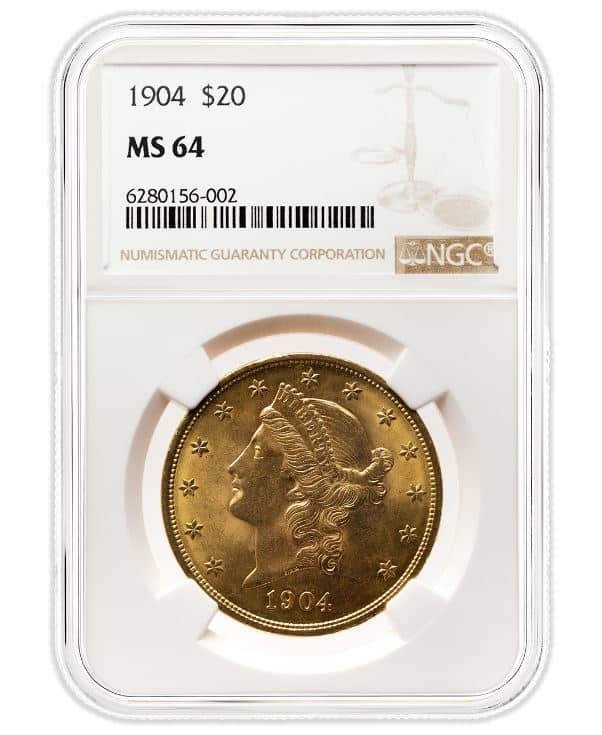
When we think about precious metals, we often envision gold bars and modern bullion coins. But what if your investment could also be a piece of America’s story? Enter the Liberty Head Double Eagle, a gold coin that’s not just an asset, but a living testament to America’s golden age.


A Coin Born of the Gold Rush


The story of the Liberty Head Double Eagle begins in the 1840s when the discovery of gold in California set off the legendary Gold Rush. As miners flocked westward in search of fortune, an influx of gold transformed the economy. To accommodate this surge, Congress authorized new gold denominations, leading to the creation of the double eagle—a $20 gold piece—by the Mint Act of 1849.

Chief Engraver James B. Longacre was tasked with designing this new coin, and the result was a masterpiece of both beauty and utility. The Liberty Head Double Eagle features Lady Liberty adorned in a coronet inscribed with the word “LIBERTY,” symbolizing freedom and prosperity. The reverse displays a majestic eagle clutching an olive branch and arrows, signifying peace and readiness.

Originally minted for large-scale transactions, this coin quickly became a staple of commerce, used by merchants and banks in trade. But what makes it truly fascinating is its journey through time.


The Gold Coin That Tells America’s Story


A Survivor of Turbulent Times


The Liberty Head Double Eagle was struck from 1850 until 1907, weathering some of America’s story, including the Civil War and the turn of the 20th century. It even faced a near-extinction event in 1933, when President Franklin D. Roosevelt recalled gold coins from the public to stabilize the economy. Many of these coins were melted down, making those that survived all the more precious today.

The Liberty Head Double Eagle we offer isn’t just any coin; it’s an MS64, meticulously graded by the Numismatic Guarantee Corporation (NGC). “MS” stands for “Mint State,” a term used to describe coins that never entered circulation and thus retain their original luster and detail. An MS64 grade means this coin is in near-mint condition with only minor imperfections visible under magnification. In short, it’s a prime example of both beauty and rarity.


Why Invest in the Liberty Head Double Eagle?


  1. Historical Significance: This coin is a tangible piece of American history, minted during the height of the nation’s economic expansion.
  2. Recognized Quality: As a product of the U.S. Mint, the Liberty Head Double Eagle is trusted worldwide for its authenticity and gold content.
  3. Low Premium, High Demand: Despite its historical value, the premium on this coin remains relatively low, making it an accessible entry point for new collectors and a wise choice for seasoned investors.


More Than Just Gold—It’s a Legacy


In times of economic uncertainty, tangible assets like gold offer stability. But the Liberty Head Double Eagle goes beyond that. It’s a symbol of resilience and prosperity, a way to hold a piece of history while securing your financial future. Whether you’re a seasoned investor or a curious beginner, this coin is a compelling addition to any portfolio.

So, why settle for ordinary gold when you can own America’s story? Dive into the world of rare coins and make the Liberty Head Double Eagle a part of your legacy.

Explore this historic investment opportunity today.

The Gold Coin That Tells America’s Story

Real Case Studies: How Banks Are Devaluing Your Money


In recent years, people have become increasingly aware that the money they hold in their bank accounts is losing value. This phenomenon is not just a perception—it is a reality shaped by the actions of central banks and financial institutions around the world. This blog post will explore real case studies demonstrating how banks are devaluing people’s money and what you can do to protect your wealth.


Case Study 1: The 2008 Financial Crisis and Quantitative Easing


During the 2008 financial crisis, the U.S. Federal Reserve implemented a policy known as Quantitative Easing (QE). This policy involved printing vast amounts of money to purchase government bonds and other financial assets. While the intention was to stabilize the economy, the side effect was a significant increase in the money supply.


Impact on the Average Saver:
As more money flowed into the economy, the value of each dollar decreased. This means that the purchasing power of people’s savings diminished over time. For example, if you had $10,000 in your bank account in 2008, its purchasing power today would be much lower due to the inflationary effects of QE. Everyday goods and services have become more expensive, but the value of savings has not kept pace.


Case Study 2: Negative Interest Rates in Europe


In the aftermath of the global financial crisis, several European countries introduced negative interest rates to stimulate their economies. In essence, this policy means that instead of earning interest on their deposits, savers had to pay the bank to hold their money.


Impact on Savers:
For individuals with significant savings, this policy was a shock. Not only were they losing money to inflation, but they were also being charged for keeping their savings in the bank. For instance, in countries like Denmark and Switzerland, savers saw their balances shrink year after year, regardless of whether they made withdrawals.


Case Study 3: The Indian Demonetization


In 2016, the Indian government announced a sudden demonetization, withdrawing 500 and 1,000 rupee notes from circulation. This decision aimed to combat corruption and black money. However, it also led to chaos, with people scrambling to exchange their old notes.


Impact on the Public:
Millions of people, especially those who did not have access to banking facilities, saw their life savings evaporate overnight. The value of their cash holdings plummeted as they were unable to convert them into the new currency. This drastic move highlighted the risks of relying solely on cash and banking systems that can change the rules without warning.


How Our Book Can Help


These case studies illustrate the precarious nature of storing wealth in traditional banking systems. Inflation, negative interest rates, and abrupt government policies can erode the value of your hard-earned money, often without warning.

Our book, “Gold vs the Banking Cartel,” delves deeper into these issues, providing a comprehensive guide on why gold remains a superior form of saving. Unlike fiat currencies, gold has intrinsic value and is not subject to the same inflationary pressures. By understanding the historical and economic contexts presented in the book, you can learn how to protect your wealth from the devaluation caused by banks and government policies.

Investing in gold is not just a strategy; it’s a safeguard against the unpredictable nature of financial systems. Our book offers practical advice on diversifying your portfolio, understanding market trends, and securing your financial future. Don’t let your money lose value in the bank—discover how gold can help preserve and even grow your wealth.

By reading “Gold vs the Banking Cartel,” you can arm yourself with the knowledge needed to make informed decisions and protect your financial future.


Real Case Studies: How Banks Are Devaluing Your MoneyReal Case Studies: How Banks Are Devaluing Your Money