The global economic landscape can be a daunting place to navigate, especially in times of uncertainty and inflation. Individuals seeking to safeguard their financial futures often explore investments promising stability and growth.
Civilizations have prized silver for millennia. Its journey began around 3000 BCE in modern-day Turkey where humans first mined and utilized it. Ancient Egyptians held silver in even higher esteem than gold, linking it to the moon and the goddess Isis. Throughout history, people employed silver for currency, adornment, and as a symbol of affluence and authority.
Silver’s role evolved from primary currency to a dependable store of value and indispensable industrial material. As global economies advanced, so too did silver’s significance, transforming it from a historical relic into a contemporary investment avenue.
Renowned for beauty, utility, and, more recently, investment prospects, silver offers more than aesthetic appeal. Its intrinsic qualities make it a compelling investment choice.
A Tangible Asset with Industrial Applications
While silver’s beauty and historical significance are well-known, its value extends far beyond its aesthetic appeal. This precious metal possesses remarkable versatility, finding applications in a wide range of industries.
One of the most prominent sectors where silver plays a vital role is electronics. Its excellent electrical conductivity makes it an indispensable component in various electronic devices, from smartphones and computers to solar panels. Silver’s ability to efficiently conduct electricity ensures the optimal performance of these technologies.
In the medical field, silver’s antimicrobial properties have been harnessed for centuries. It has been used in wound dressings, medical devices, and even water purification systems to combat bacteria and other harmful microorganisms. Silver’s ability to inhibit microbial growth contributes to public health and safety.
Beyond electronics and medicine, silver finds applications in other industries as well. Its reflective properties make it valuable in optics and mirrors. Its resistance to corrosion and tarnish makes it suitable for use in industrial components and jewelry. This diverse range of applications ensures a consistent demand for silver, contributing to its stability and value as an investment.
Why Silver is a Smart Investment Choice in Today’s Economy
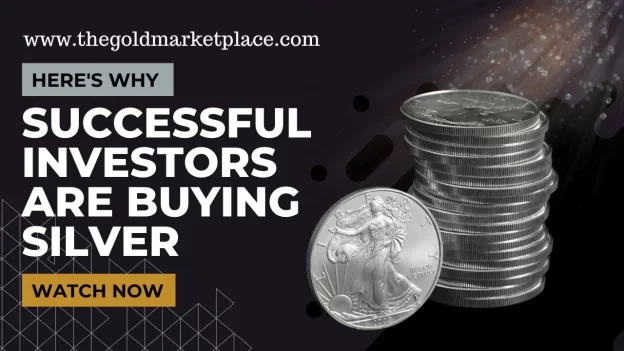
In an era of economic uncertainty and rising inflation, silver stands out as a wise investment. Successful investors have long recognized silver’s potential to outperform other assets, especially in times of economic turmoil. For instance, when gold prices rise, silver often follows suit, but with a much higher percentage increase. This correlation makes silver an excellent hedge against inflation and a means to diversify an investment portfolio.
The fact that silver is currently undervalued only adds to its appeal, presenting a unique opportunity for investors to buy low and potentially sell high in the coming years. Moreover, silver’s intrinsic value and liquidity make it a reliable store of wealth that can be easily converted to cash when needed.
At The Gold Marketplace, LLC, we understand the importance of securing your financial future. As a leading online marketplace for physical precious metals, we offer a wide range of products, including silver, gold, platinum, and palladium. Whether you’re looking to diversify your investment portfolio, protect your wealth from inflation, or simply add to your collection, we have the perfect products to meet your needs.
Our user-friendly website provides a seamless shopping experience, and our educational resources empower you to make informed decisions about your investments. Don’t wait until it’s too late—visit our website today at www.thegoldmarketplace.com and take the first step toward securing your financial future with the timeless value of silver.
While the initial gold rush has faded into history, the precious metal’s appeal remains undiminished. In recent years, experts have been predicting a resurgence in gold prices, with some forecasting a meteoric rise to unprecedented heights.
Gold has always held a special place in human history. Its allure dates back thousands of years, with ancient civilizations valuing it not just for its beauty but also for its rarity and durability. From the pharaohs of Egypt to the empires of Rome, gold has symbolized wealth and power.
Historically, it has served as a universal currency, a store of value, and a safe haven during times of economic and political turmoil. In the modern era, gold continues to play a critical role in global finance, offering security in uncertain times.
Gold is not just a shiny metal; it is a financial asset with intrinsic value. Unlike paper currency, gold has a tangible worth that does not depend on any government’s creditworthiness. Today, gold is available in various forms, such as coins, bars, and even jewelry, making it accessible to a wide range of investors. Its liquidity and global acceptance make it a versatile and reliable investment choice.
Throughout history, several key factors have consistently influenced the gold rush. One significant driver is geopolitical events. Periods of political instability, wars, and economic crises often lead to increased demand for gold as investors seek safe havens for their wealth. The 1973 oil crisis and the 2008 financial crisis are notable examples of such events.
Another factor impacting gold prices is inflation. When the purchasing power of a currency declines due to inflation, investors often turn to gold as a hedge against rising prices. Gold can provide a store of value and protect against the erosion of wealth.
Additionally, the collapse of financial bubbles can drive up gold prices. The dot-com bubble and the housing bubble are examples of such events. When these bubbles burst, investors may seek refuge in more stable assets like gold.
Why Gold is a Wise Investment in Today’s Economy
In recent years, gold rush has been driven by several key factors, making it an excellent investment opportunity. The global economy has faced significant challenges, including inflation, geopolitical instability, and financial bubbles.
In 2022, a confluence of factors created a potential gold rush. Record-breaking inflation eroded the value of fiat currencies, making gold a more attractive investment. Rising interest rates implemented by central banks to combat inflation put pressure on stock markets and other riskier assets, further driving demand for gold. Geopolitical tensions and the threat of further instability also contributed to a sense of uncertainty, prompting investors to seek safe havens. Lastly, supply chain disruptions exacerbated inflationary pressures and created economic headwinds, reinforcing the appeal of gold as a stable asset.
As the global economy faces increasing uncertainty, now is the time to consider adding gold to your investment portfolio.
At The Gold Marketplace, LLC, we specialize in helping clients understand the value of precious metals and how they can be used to safeguard wealth. Our wide range of products, from coins to bars, ensures that there is an option for every investor.
Don’t wait until it’s too late—secure your financial future today.
Visit our website to learn more about how you can benefit from investing in gold and other precious metals. Let us guide you on the path to a more secure and prosperous future.
Bullion gold and silver have transcended time, maintaining their value through countless civilizations. Ancient Egyptians adorned themselves with gold jewelry, while the Romans used silver coins for trade.
Today, bullion gold and silver continue to be prized assets, not only for their beauty but also for their enduring stability in an ever-changing world. Understanding the history of these metals helps us appreciate why they remain such a vital part of modern investment strategies.
For millennia, gold and silver have captivated humanity. Their beauty and rarity have transcended cultures, serving not just as adornment but also as a foundation for commerce and a store of value. This enduring allure brings us to bullion, the purest form of these precious metals, typically cast into bars, ingots, or coins. Owning bullion gold and silver isn’t just about acquiring a valuable asset; it’s about connecting with a legacy that stretches back centuries.
Bullion’s true worth lies in its exceptional purity. Take gold bullion, for example. It boasts a staggering 99.99% purity, ensuring you hold an investment with intrinsic value. Silver bullion follows suit, maintaining a remarkable 99.9% purity. This meticulous focus on purity guarantees that your investment is backed by the inherent worth of the precious metal itself.
The appeal of bullion goes beyond its historical significance and exceptional purity. In today’s world of fluctuating markets and economic uncertainty, bullion offers a safe haven. Unlike paper currency, which can lose purchasing power due to inflation, bullion tends to hold its value remarkably well. This makes it a valuable hedge against inflation, a shield protecting your wealth from the erosive effects of rising prices.
In a landscape dominated by digital assets, bullion gold and silver provide the tangible security of a physical asset. You can hold it, admire it, and know that it represents a concrete store of value. This tangibility can be particularly reassuring in an age where investments often feel abstract and intangible.
Adding bullion gold and silver to your investment portfolio isn’t just about safeguarding against inflation and economic turmoil; it’s also about diversification. By incorporating bullion into your investment mix, you can potentially reduce your overall risk. A well-diversified portfolio spreads your assets across different classes, creating a more balanced and potentially more resilient financial foundation.
Finally, bullion boasts a key advantage: liquidity. It’s a highly liquid asset, meaning it can be easily converted back into cash when needed. This liquidity ensures you have access to your investment when necessary, providing flexibility and peace of mind.
At The Gold Marketplace, we understand the power of bullion. We believe in empowering our clients with knowledge and offering a wide variety of high-quality bullion products. We also provide comprehensive educational resources to guide you on your investment journey.
Visit our website, www.thegoldmarketplace.com, to explore our extensive inventory and learn more about how bullion can bolster your financial security. Don’t hesitate to contact our experts; they’re here to help you navigate the world of precious metals and unlock the potential of bullion within your investment portfolio.
Collectible coins are not just mere pieces of metal; they are fragments of history encapsulated in gold and silver. These coins have traversed centuries, bearing witness to significant events and cultural shifts.
Beyond their intrinsic value as precious metals, collectible coins possess a unique historical significance. Each coin carries the imprint of its time, reflecting cultural, economic, and political events.
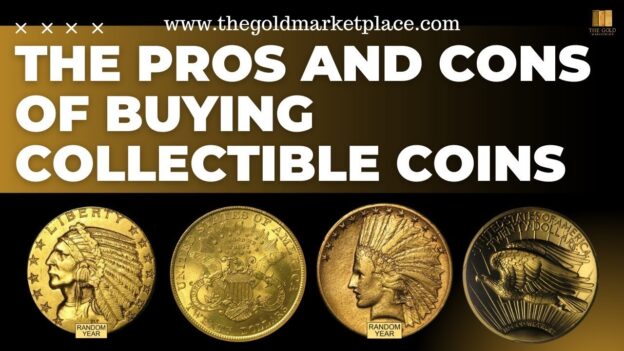
The $10 Indian Head coin, for example, is more than just currency; it’s a masterpiece of art and a tribute to Native American heritage. Such coins are not merely objects of beauty but portals to the past, offering collectors and investors a tangible connection to history.
The allure of collectible coins lies in their ability to tell stories. Through careful examination, one can unravel the narratives embedded in their designs, inscriptions, and even the patina developed over time.
These coins are not just investments; they are historical treasures that enrich our understanding of the world and inspire a sense of wonder about the past.
A Legacy in Your Hand: The Distinction of Collectible Coins
Collectible coins are more than simply currency; they are tangible artifacts with historical and artistic significance. Unlike bullion coins, valued primarily for their metallic content, collectible coins derive their worth from a combination of factors beyond their physical composition.
Rarity is a key determinant of a collectible coin’s value. Coins produced in limited numbers, whether intentionally or due to production challenges, are highly sought after by collectors. This scarcity drives demand and, consequently, increases the coin’s market price.
A coin’s historical context significantly influences its desirability. Coins associated with significant historical events or those bearing the mark of renowned artists or designers hold particular appeal. Such coins transcend their monetary value, becoming connections to the past.
The number of coins minted in a specific year, known as the mintage, also affects value. Lower mintage figures typically correlate with higher demand and prices. Conversely, coins produced in large quantities tend to have lower market values.
Finally, a coin’s condition is crucial. Grading services meticulously assess a coin’s state of preservation, considering factors such as wear, scratches, and imperfections. Coins in exceptional condition, often termed “mint state,” command premium prices compared to those with visible signs of circulation.
Firstly, collectible coins have a strong demand, driven by their limited supply and historical significance. This demand ensures that these coins are highly liquid, meaning they can be easily sold when the time is right.
Moreover, collectible coins often experience less volatility compared to standard bullion coins, making them a more stable investment option.
The unique combination of rarity, history, and low mintage contributes to their potential for exponential growth in value over time. Unlike other investments that may fluctuate with market trends, collectible coins tend to maintain their value, providing a reliable hedge against economic instability.
Take the Next Step with The Gold Marketplace, LLC
At The Gold Marketplace, LLC, we understand the allure and potential of collectible coins as both a historical treasure and a sound investment.
Whether you are a seasoned collector or new to the world of precious metals, our team is dedicated to helping you navigate your investment journey. We provide not only top-tier products but also the educational resources you need to make informed decisions.
Visit our website today to explore our inventory and secure a piece of history for yourself. If you have any questions or need guidance, our experts are just a phone call away at 800-960-6280.
Graded bullion coins have a rich history that dates back centuries. Initially, these coins were minted primarily for trade and currency, their value directly tied to the precious metal they contained.
Over time, bullion coins began to evolve, becoming more than just a medium of exchange. Gold coins became a store of value, inflation hedge, and safe haven.
In the late 20th century, the introduction of graded bullion coins marked a significant milestone in the coin industry. These coins, graded and certified by professional agencies, provided collectors and investors with a new level of assurance regarding the coin’s condition and authenticity.
The emergence of grading agencies such as the Numismatic Guarantee Corporation (NGC) and the Professional Coin Grading Service (PCGS) transformed bullion coins from mere commodities into collectible items with potential for significant appreciation in value.
Graded bullion coins are distinct from their ungraded counterparts in that they undergo a rigorous evaluation process conducted by professional grading agencies. The grade assigned to a coin reflects its condition, with higher grades indicating coins in near-perfect or perfect condition.
Graded coins often have labels like “First Strike” for early release. Coins may also feature the signature of a prominent figure, such as a coin designer or a political leader, further enhancing their appeal and value.
Graded bullion coins, particularly those with a grade of 69 or 70, are highly sought after by collectors and investors alike. Their pristine condition, coupled with the assurance of authenticity provided by the grading process, makes them a compelling addition to any portfolio.
Investing in graded bullion coins offers several advantages, making them an attractive option for both novice and seasoned investors. One of the primary benefits is the potential for significant profit, especially when investing in coins with low mintage numbers.
Moreover, graded bullion coins often retain their value better than ungraded coins, thanks to their certified quality and authenticity. This is particularly true for coins that are acquired early in the year they were minted, as these are more likely to become rare over time.
However, it’s essential to approach this investment with caution. These coins often command high premiums, which can reduce potential profit if the price significantly exceeds the coin’s spot value. To maximize profit potential, investors should aim to pay no more than 20-50% above the gold spot price.
Visit our website to explore our range of products, or contact us directly at 800-960-6280 with any questions. Let The Gold Marketplace, LLC guide you on your journey to financial security through the power of precious metals.
When we think of welfare, images of individuals receiving government assistance often come to mind. But there’s a more insidious form of welfare that rarely gets the attention it deserves—the cost of corporate greed, particularly the kind that props up failing banks.
Check out this video for a deeper dive on this topic.
Exposing the Myth
When the topic of welfare arises, our minds often drift towards images of individuals struggling to make ends meet. However, a less visible yet equally significant form of welfare exists: corporate bailouts. This phenomenon, particularly prevalent within the banking industry, has silently drained taxpayer dollars for decades.
In stark contrast to the stereotypical image of the “Welfare Queen,” the true beneficiaries of welfare often occupy the corner offices of major financial institutions. These corporations, despite their immense wealth and influence, have repeatedly sought and received taxpayer-funded lifelines to rescue them from the cost of corporate greed.
While the public discourse surrounding welfare primarily focuses on aiding the impoverished, a more comprehensive view reveals a different reality. Some of the most substantial welfare recipients are not individuals but powerful corporations.
When these financial behemoths find themselves on the brink of collapse due to mismanagement or reckless speculation, the government frequently intervenes with taxpayer funds to prevent their downfall.
This pattern is exemplified by the 1984 collapse of Continental Illinois, a banking giant that required a $14 billion government bailout due to imprudent lending practices. This event set a precedent for rescuing “too big to fail” financial institutions.
The “Too Big to Fail” Fallacy: A License for Reckless Behavior
The concept of “too big to fail” has become a convenient justification for these bailouts. The argument posits that allowing such institutions to collapse would trigger a catastrophic economic downturn. However, this notion has inadvertently created a perverse incentive for excessive risk-taking.
Financial institutions, shielded by the implicit government guarantee, have felt emboldened to engage in increasingly risky behaviors, secure in the knowledge that taxpayers will ultimately bear the cost of corporate greed.
The 1998 collapse of the hedge fund Long-Term Capital Management further illustrates this trend. Despite suffering staggering losses due to high leverage and poor risk management, the fund received a $3.65 billion bailout orchestrated by the Federal Reserve. This event reinforced the message to the financial industry: take extraordinary risks, as the government will provide a safety net.
These examples underscore a disturbing reality: the banking industry has enjoyed a form of corporate welfare that far eclipses traditional welfare programs. It is imperative to expose this hidden drain on taxpayer resources and to question the rationale behind bailing out institutions that have proven capable of immense self-destruction.
The Taxpayer Burden: Who Really Pays the Price?
While these bailouts may save the banks, they do so at an enormous cost to the taxpayer. The 2008 financial crisis is a prime example. As the crisis unfolded, the U.S. government stepped in with an unprecedented $182 billion bailout for AIG, a major player in the crisis due to its involvement in insuring risky mortgage-backed securities. The Troubled Asset Relief Program (TARP) alone provided $700 billion to struggling banks and insurance companies.
However, the real cost to American taxpayers was far higher. Reports suggest that, between 2007 and 2009, the U.S. government may have provided as much as $7.7 trillion to the banking sector. The broader impact of the financial crisis, including lost jobs, foreclosed homes, and depleted retirement savings, was estimated by Yahoo Finance to have cost Americans around $12.8 trillion.
This raises a critical question: why should taxpayers foot the bill for the mistakes of wealthy bankers? The system seems inherently unfair when ordinary people are left to suffer the consequences of economic downturns while those responsible for the crisis receive billions in government aid. It’s a stark reminder that the real welfare recipients are often those who need it the least.
Taking Control of Your Financial Future
In light of this, it’s clear that individuals need to take control of their financial futures. History has shown that relying on the government or the financial system can be risky. One way to protect yourself is by investing in tangible assets like gold and silver, which have historically maintained their value in times of economic uncertainty.
Gold and silver have long been recognized as valuable assets, with a history that stretches back thousands of years. These precious metals have been used as currency, a store of value, and a symbol of wealth and power.
At The Gold Marketplace, LLC, we offer a wide variety of top-tier products, including coins, bars, and jewelry, all made from the finest precious metals. Our products are not only a means of wealth preservation but also a tangible investment that you can hold in your hands.
The Hidden History of Corporate Welfare in Banking
Since the 1980s, the phenomenon of corporate welfare has quietly exerted a substantial influence on the financial landscape, with profound consequences for both the economy and the general public.
In contrast to the prevalent media stereotype of the “Welfare Queen,” corporate welfare has primarily benefited large financial institutions, which have repeatedly received government bailouts during periods of economic instability.
These bailouts, often justified by the assertion that these institutions are “too big to fail,” have established a precedent that has enabled the banking sector to operate under a protective financial umbrella, underwritten by the American taxpayer.
One of the earliest and most prominent examples of this trend was the 1984 bailout of Continental Illinois, at the time the nation’s eighth-largest bank. A combination of mismanagement and imprudent lending practices brought the bank to the brink of collapse, necessitating a $14 billion rescue package from the Federal Reserve and the Federal Deposit Insurance Corporation (FDIC).
This event marked the commencement of an era in which the banking industry could anticipate government intervention whenever its actions precipitated financial turmoil. In the 1990s, the same thing happened with a company called Long-Term Capital Management. They took big risks and lost a lot of money, so the government had to step in and help them.
Understanding Corporate Welfare in Banking
Corporate welfare refers to government assistance provided to businesses, particularly financial institutions. This support can come in many forms, like money, lower taxes, or other perks. The underlying objective is to stimulate economic growth, generate employment opportunities, and foster innovation.
For instance, governments may allocate funds to small enterprises for scientific research endeavors.
Nevertheless, when considering the banking industry, corporate welfare can pose challenges. Financial institutions occasionally make imprudent decisions or engage in high-risk activities involving public funds.
In such instances where a bank faces imminent failure, governments often intervene with financial bailouts to prevent its collapse.
The provision of bailouts shields banks from the negative consequences of their mistakes, creating an uneven playing field for businesses that do not receive such support. Moreover, it may encourage banks to assume even greater risks in the future, as they anticipate government intervention in times of crisis.
Why Gold is a Good Investment
Corporate welfare in the banking industry significantly threatens the stability and fairness of the financial system. Governments often protect banks from failure, shifting the associated risks to taxpayers and individual investors. This volatile and uncertain financial landscape jeopardizes traditional investments like stocks and bonds.
In contrast, tangible assets such as gold and silver offer a compelling alternative. While inflation and economic downturns erode the value of paper assets, precious metals have consistently preserved wealth. Gold, in particular, serves as a safe haven investment, thriving during economic instability. Unlike bank-held assets, gold is immune to their inherent risks, making it a reliable store of wealth.
At The Gold Marketplace, LLC, we recommend diversifying investment portfolios with precious metals as a sound financial strategy. By investing in gold and silver, you can protect your wealth from financial uncertainties and build long-term stability.
Take Control of Your Financial Future with The Gold Marketplace
As corporate welfare and government bailouts grip the financial system ever tighter, taking control of your financial well-being becomes paramount. The traditional banking system, riddled with inherent risks and vulnerabilities, may not always guarantee the security and stability you deserve.
That’s where precious metals come in. Consider investing in physical gold and silver – time-tested hedges against inflation and economic turmoil. Here at The Gold Marketplace, LLC, we’re dedicated to helping you build a strong and resilient investment portfolio.
Our diverse range of gold, silver, and platinum products caters to both novice and seasoned investors. To empower informed investment decisions, we offer a wealth of educational resources – courses, videos, and books – at your fingertips.
Don’t wait for the next financial crisis to strike. Take action today! Contact us at 1-800-960-6280 or visit www.thegoldmarketplace.com to learn how you can harness the power of precious metals for a secure financial future.
What started as a localized event quickly escalated into a global concern, particularly affecting the U.S. economy.
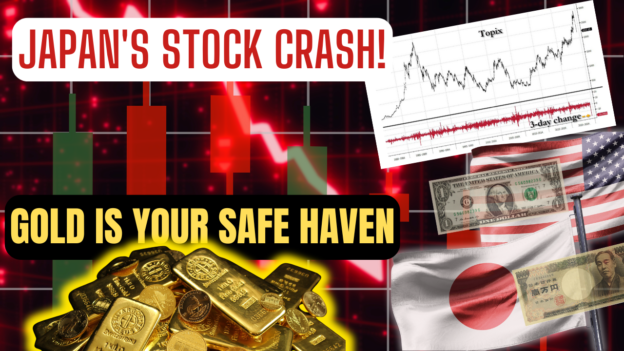
The recent collapse of Japan’s stock market is a prime example of how a financial crisis in one region can ripple across the globe. Japan, one of the world’s largest economies, saw its major stock indexes like the TOPIX and Nikkei plummet by significant margins, with the TOPIX experiencing its largest three-day drop in history.
The cause? A combination of a stronger yen, which eroded the competitiveness of Japanese exporters, and a broader decline in investor confidence due to fears of a global recession.
As Japan’s stock market tumbled, U.S. markets were not immune. The sell-off in Japan led to a decline in U.S. equities as well, as investors grew wary of the global economic outlook. This interconnectedness demonstrates how financial markets are deeply linked, and how a crisis in one major economy can lead to a global downturn.
Analyzing the Signs of a Potential Recession
The signs of a potential recession are becoming increasingly evident. In the U.S., factory production is declining, and investor sentiment is wavering, as seen in the stock market’s recent performance. These factors, combined with Japan’s market downturn, are fueling fears of a global recession.
Gross Domestic Product (GDP) growth: A sustained decline in GDP can signal a recession.
Unemployment rate: A rising unemployment rate is often a precursor to a recession.
Consumer confidence: Decreasing consumer confidence can weaken economic activity.
Corporate earnings: Falling corporate profits can indicate economic challenges.
Diversification Strategies
Volatility in the markets can be unsettling, but having a robust risk management strategy can help safeguard your investments. When markets are unstable, as they are in the wake of Japan’s stock market crash, investors often shift from riskier assets to more stable ones. This is where gold shines, offering a less volatile option that has historically preserved value even when other markets have faltered.
Historically, gold has proven to be a reliable store of value during economic downturns. Its price tends to rise when other asset classes, such as stocks and bonds, decline.
Diversifying your investment portfolio with gold can be a prudent strategy. By allocating a portion of your assets to gold, you can mitigate risks and enhance your portfolio’s overall resilience.
Visit The Gold Marketplace LLC today to explore high-quality gold products and start securing your wealth against economic uncertainties.
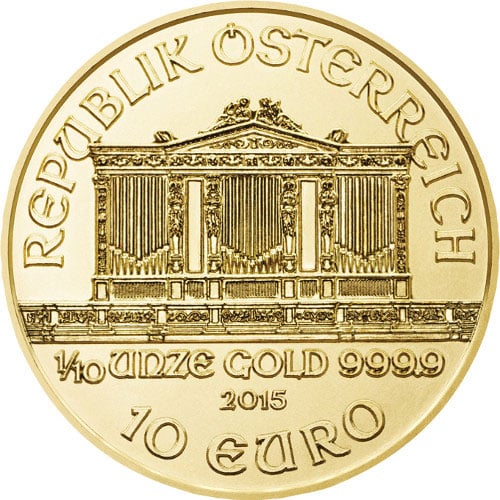
An exquisite masterpiece embodying the harmonious blend of artistry, music, and precious metals, the 1/10 ounce Austrian Philharmonic gold coin is your first step into gold investment. The world of precious metals holds treasures that transcend mere financial value; it’s an ideal entry point for those new to gold investing.
Why Start with the 1/10 oz Austrian Philharmonic Gold Coin?
One of the biggest challenges for people new to investing in gold is the price. Gold can be expensive. However, the 1/10 ounce Austrian Philharmonic Gold Coin is a good starting point. It’s priced in a way that most people can afford. This allows you to begin investing in gold without spending a lot of money.
Investing in this coin is like taking a simple class on gold. It’s well-known, has a rich history, and looks beautiful. These qualities make it a great way to understand the basics of owning gold. As you own this coin, you’ll learn about important things like the coin’s exact details, how pure the gold is, and why it’s crucial to store it safely. Plus, you’ll enjoy looking at your beautiful investment.
Click the image above to purchase this product.
The 1/10 ounce Austrian Philharmonic Gold Coin is more than just a piece of gold; it’s a celebration of music. One side of the coin shows the grand organ of the Musikverein, a famous concert hall. This picture honors the place where the Vienna Philharmonic Orchestra has played many wonderful concerts. The other side of the coin has pictures of musical instruments used by the orchestra, like a harp, violin, cello, flute, and horn. This design perfectly shows the spirit of the orchestra and how it has influenced classical music.
What makes this coin special is that the year it was made is different for each coin. This means every coin is unique and interesting. When you hold this coin, you’re not just holding gold, but a piece of Austria’s history and music as your first step into gold investment.
Investing in gold might seem confusing at first, but it can be a good way to grow your money. Here are some simple steps to get you started:
Buying Gold
When you buy gold, it’s important to choose sellers and makers you can trust. Coins like the Austrian Philharmonic are a good choice because the gold is very pure and the coins are well-known. For a trusted source, consider The Gold Marketplace, where you can find high-quality gold coins at competitive prices.
Storing Gold
Keep your gold in a safe place. It’s also a good idea to keep your coins in special cases to protect them.
Selling Gold
When you want to sell your gold, make sure to sell it to someone you trust so you get a fair price. Keep all the papers that came with the gold, like the certificate that says it’s real and the receipt. These papers can help you sell the gold quickly and for more money.
Worldwide Recognition and Investment Value
With its worldwide recognition and the unrivaled reputation of the Austrian Mint, this coin is highly sought after by collectors and investors alike. Each 1/10 ounce Austrian Philharmonic gold coin is meticulously packaged in a protective capsule, ensuring its pristine condition for years to come. The coin also comes with a certificate of authenticity, providing further reassurance of its origin and quality specifications.
Specifications
Purity: 99.99%
Precious Metal Content: Gold
Brand: Austrian Mint
Right now, you can secure these magnificent coins at www.theoldmarketplace.com at the lowest price in the country. Don’t miss out on this opportunity to own a piece of musical and cultural history!
Whether you’re an experienced collector or just starting out, the 1/10 ounce Austrian Philharmonic gold coin is an excellent addition to any collection. Its beauty, cultural significance, and investment potential make it a treasured possession.
For more updates on low-priced products and special offers, visit our website or call us at 800-960-6280.
Gold as inflation hedge has historically proven to preserve wealth during periods of economic uncertainty. The U.S. national debt is approaching $35 trillion, and as history shows, inflation can lead to skyrocketing gold prices. Here are four historical examples where inflation led to a significant increase in gold prices.
You may check out this video, too, for more insights.
Understanding the Inflationary Environment
To understand how inflation affects gold, we need to look at what causes prices to go up. Things like the government spending too much money, printing too much cash, problems with getting supplies, and wars can all make prices rise.
Another important thing is how prices, interest rates, and gold are connected. When prices go up quickly, banks often raise interest rates to slow things down. But when this happens, people sometimes buy gold because they think it’s a safer place to put their money than cash.
Four Case Studies: A Historical Perspective
1. The United States 1970s Inflation Crisis
During the 1970s, the United States experienced a period of high inflation driven by rising oil prices and expansionary fiscal policies. The oil embargoes of 1973 and 1979 led to skyrocketing energy prices, contributing to overall inflation.
As inflation soared, investors sought gold as inflation hedge to protect their purchasing power. This led to a significant increase in the price of gold, which reached an all-time high in 1980, peaking at over $800 per ounce in nominal terms. Gold’s performance during this period was marked by its ability to retain value amidst economic instability.
2. Hyperinflation in Wartime Germany (1920s)
In the aftermath of World War I, Germany experienced hyperinflation, with prices doubling every few days at its peak. The Treaty of Versailles imposed heavy reparations on Germany, leading to excessive money printing to meet these obligations.
Amidst this economic turmoil, the German Mark became virtually worthless, forcing people to turn to gold as a tangible store of value. The resulting surge in demand sent gold prices skyrocketing.
3. Zimbabwe Hyperinflation (2000s)
Zimbabwe’s hyperinflationary crisis in the 2000s stands as a stark reminder of the destructive power of uncontrolled inflation. The Zimbabwean dollar’s rapid devaluation eroded people’s savings, prompting a shift towards gold as a more stable asset.
As the Zimbabwean dollar rapidly lost value, citizens turned to alternative stores of wealth, including gold. The price of gold in Zimbabwean dollars soared during this period, providing a measure of stability amid the country’s economic chaos. Gold as inflation hedge demonstrated its effectiveness against extreme inflation.
4. Current Inflation Concerns in the USA
While not yet reaching the extremes of previous examples, the current global economic landscape raises concerns about potential inflationary pressures. Factors such as massive government stimulus packages and supply chain bottlenecks have ignited discussions about inflation’s resurgence.
In recent years, concerns about inflation have resulted in the gold price rising by 177% so far in the USA. Government spending on immigration and wars in Israel and Ukraine have sent the U.S. debt to $35 trillion. Inflationary pressures have been exacerbated by supply chain disruptions and expansive fiscal policies.
Investors responded by increasing their allocation to gold as a hedge against inflationary pressures. The Federal Reserve and global banking institutions have noted that a global economic reset is inevitable, and they are buying gold as rapidly as they can without alerting the masses. Gold’s current performance indicates its continued relevance as an inflation hedge.
Behind the Scenes of the Gold Market
The price of gold is determined by a delicate balance between supply and demand. On the supply side, factors such as gold mining, recycling old gold, and government gold sales influence the amount of gold available. Conversely, demand for gold is driven by various sectors. Jewelry making is a major consumer, followed by technology industries that use gold in their products. Additionally, investors often see gold as a safe haven for their money, especially during times of economic uncertainty. This investment demand significantly impacts gold prices.
Central banks, which are like the big banks for countries, play a crucial role in the gold market. They hold large amounts of gold as a reserve and sometimes buy or sell gold. When central banks buy gold, it usually pushes the price up, while selling can have the opposite effect. Their actions are closely watched by investors and can influence how people feel about gold.
Overall, the gold market is influenced by a complex interplay of factors, including supply, demand, central bank actions, and investor sentiment.
How to Profit from Gold
With historical evidence pointing towards gold’s potential as a hedge against inflation, investors should seriously consider incorporating it into their portfolios. However, diversification remains key. Here’s how including a portion of your assets in gold can benefit you:
Hedge Against Inflation: As inflation erodes the purchasing power of traditional currencies, gold’s historical performance suggests it can retain its value. This helps protect your wealth during inflationary periods.
Portfolio Diversification: Spreading your investments across various asset classes, including gold, can mitigate risk. When some asset classes experience losses, others might perform well, helping to balance your portfolio’s overall performance.
Safe-Haven Asset: During times of economic uncertainty or geopolitical turmoil, gold is often viewed as a safe haven. Its price tends to hold steady or even rise when other markets experience volatility.
Investment Options
Owning physical gold bars or coins offers direct ownership but comes with storage and security considerations. Here are some popular choices:
1.The $10,000 Gold Bullion Package
Introducing the exquisite $10,000 Gold Bullion Package, the perfect investment opportunity for those seeking to diversify their portfolio with a valuable and tangible asset. Indeed, investing in gold is a prudent decision, as it has a proven track record of preserving value and serving as a reliable store of wealth. Consequently, with this package, you can rest assured that your investment is safe and secure, underpinned by the intrinsic value of gold as inflation hedge.
Furthermore, gold bullion bars offer an exceptional avenue to maximize the returns of your investment portfolio. As such, you will receive our carefully selected 1 troy oz gold bar. Notably, our bullion bars adhere to the stringent standards of the International Organization for Standardization (ISO), guaranteeing the highest level of authenticity.
Click the image above to purchase this product.
2. Gold World Coin Set
This world coin set is for gold investors that want a little diversity in their portfolio. The set includes 5 of the most popular coins in the world, all of which are IRA eligible. Those 5 gold coins are the American Gold Eagle, the Canadian Gold Maple Leaf, the Austrian Gold Philharmonic, the Australian Gold Kangaroo, and the American Gold Buffalo.
The set enables the investor to diversify and still buy at a much lower premium than they would if they bough the 5 coins individually.
Click the image above to purchase this product.
3. 10 gram Gold Bar – Brand Varies
Introducing the magnificent 10-gram Gold Bar, thoughtfully sourced from a selection of esteemed brands and elegantly presented in protective carded packaging. Indeed, crafted from 99.99% pure gold, this bar is a testament to the unwavering commitment of these renowned brands to producing bullion of exceptional quality. Consequently, by choosing a gold bar from one of these reputable brands, you can invest with confidence, knowing that your purchase adheres to the highest industry standards.
Click the image above to purchase this product.
Remember:
First thing to remember, careful research and understanding your risk tolerance are crucial before making any investment decisions. For the same reason, consider consulting The Gold Marketplace to determine the appropriate allocation of gold within your overall investment strategy. Visit www.thegoldmarketplace.com or call us at 800-960-6280.
FREE SHIPPING ON ALL ORDERS
98% of our orders are shipped within 2 business days